 They call it La Cosa Nostra or “Our Thing.” The name sounds almost innocent until you realize what it truly means: a silent empire built on loyalty, fear, and bloodshed. It’s not a myth. It’s not a Hollywood invention. The Mafia is real and, as this week’s revelations about a massive, AI-powered, illegal gambling operation prove, the Mafia is still very much alive, evolving with technology, and dealing their marked cards in plain sight.
Organized crime has always been the dark twin of legitimate enterprise. Where there’s money to be made, someone will find a way to take a slice without paying taxes or answering to government regulators. The Mafia mastered that art a century ago. Despite decades of investigations, prosecutions, and betrayals, its structure endures. It’s capitalism’s shadow economy, built on the same fundamentals: hierarchy, risk management, diversification, and ruthless enforcement of brand integrity.
Most people think they know what the Mob is because they’ve seen The Godfather or Goodfellas. Those films got a lot right—the loyalty, the codes, the hierarchy—but they also romanticized something far more brutal. The real Mafia isn’t about Mamma’s pasta dinners and Papa’s mandatory respect. It’s about power. It’s about control. And at its core, it’s about money—the billions of dollars that flow through underground networks of gambling, prostitution, protection, drugs, construction, waste management, and now cybercrime using artificial intelligence.
Today’s mobsters don’t wear fedoras and carry violin cases. They wear hoodies and hold smartphones. They use encrypted messaging apps, offshore accounts, and cryptocurrency wallets. They hire coders instead of hitmen, but the principle is the same: protect the operation, silence the competition, and keep the money moving. The Mafia has always been pragmatic. That’s why it’s survived—not in spite of progress, but because of it.
And now, with AI reshaping every industry on Earth, you can bet the underworld is right with it. From Prohibition to algorithms, this is how “Our Thing” adapted, survived, and still thrives in the age of artificial intelligence.
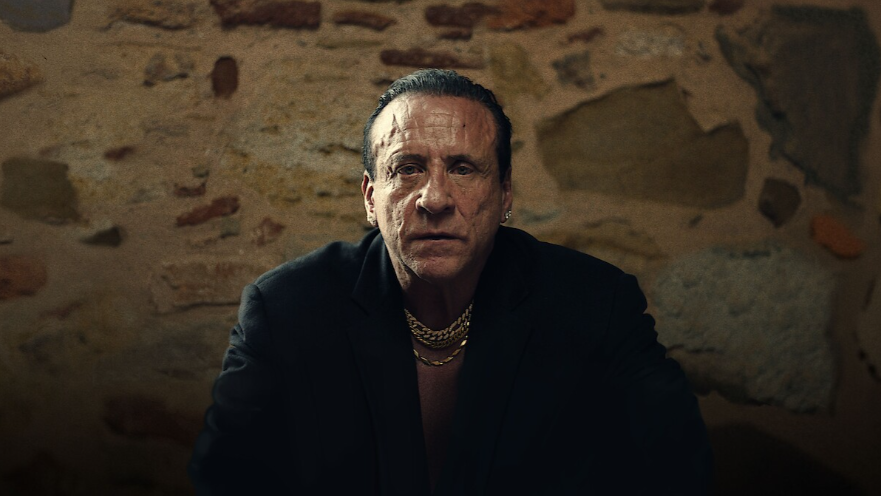
La Cosa Nostra. The name sounds almost innocent until you realize what it really means: a silent empire built on loyalty, fear, and money. It’s not a myth. It’s not a Hollywood invention. It’s the cold, organized reality of crime conducted as a multigenerational business model.
Most folks think they know the Mob because they’ve seen The Godfather or Goodfellas. Those films got some of the bones right — the loyalty, the codes, the hierarchy — but they also polished the skull. The real thing isn’t candlelit dinners with cloth napkins and Old World honor. It’s cash flow and coercion. And it’s still here because it adapts better than most corporations do.
This week’s headlines about a sprawling, AI-powered, Mafia gambling ring were a reminder. The Mob never died. It diversified. It learned smartphones. It learned crypto. It learned to outsource violence and insource accountants. Same ends. New means.
Let’s lift the lid and look at the real Mafia machine that’s running today.
The Myth and the Machine
Organized crime is capitalism’s shadow. Where there’s demand, a supplier appears. Where there’s regulation, a work-around emerges. Where there’s risk, someone prices it.

The Mafia took human nature and turned it into a product. Vice, protection, favoritism, access, “fixing”—these aren’t movie props. They’re line items. The Mob’s genius wasn’t violence. It was logistics. Distribution. Relationships. And a corporate culture that fused fear with belonging so tightly that people enforced it upon themselves.
Here’s the uncomfortable truth. Organized crime thrives where trust in the system fails. If the state can’t be trusted to protect, adjudicate, or move money efficiently, another system of “trust” appears. Call it parallel governance. Call it a parasite. Either way, it works because people believe it will—or are too scared not to.
Origins — Blood, Land, and Opportunity
The Mafia roots run through 19th-century Sicily—a hard land with weak central authority. Protection rackets filled a vacuum. Local “men of honor” mediated disputes, collected “taxes,” and enforced order with the knife and the threat. Loyalty to uomo d’onore outmuscled loyalty to a distant state moderated from Rome.
Immigration carried that model to the American Northeast. In New Orleans, Chicago, Detroit, and especially New York, Old World networks met New World opportunities. The gold rush wasn’t metal. It was Prohibition. When the Volstead Act criminalized booze, the Mafia industrialized supply. Trucks replaced donkeys. Ledgers replaced gossip. Bribes replaced ballots.
By the time Prohibition ended, the Mob had three assets every serious business wants. Capital, contacts, and control. They reinvested in labor unions, waterfronts, wholesale markets, construction, waste, gambling, and girls. The brand expanded. The book got thicker. And the blood kept the pages turning.
The Five Families — New York’s Boardroom
New York became the axis. Five families carved the city and synchronized the chaos:
- Genovese
- Gambino
- Lucchese
- Colombo
- Bonanno
To reduce street wars, bosses created the Commission—a board of directors for murder and money. They set policy, arbitrated disputes, and green-lit anything big. It wasn’t democracy. It was risk management.
Hierarchy mattered:
- Boss — CEO and final word.
- Underboss — COO; runs day-to-day.
- Consigliere — Counselor; a political firewall and fixer.
- Caporegimes — Middle managers who run crews.
- Soldiers — Made men; the W-2s of crime.
- Associates — Freelancers; do the dirty jobs without the benefits.
Titles don’t prevent bullets. But they prevent confusion. Power abhors confusion.
The Architects — Legends and Lessons
A few names set the template.
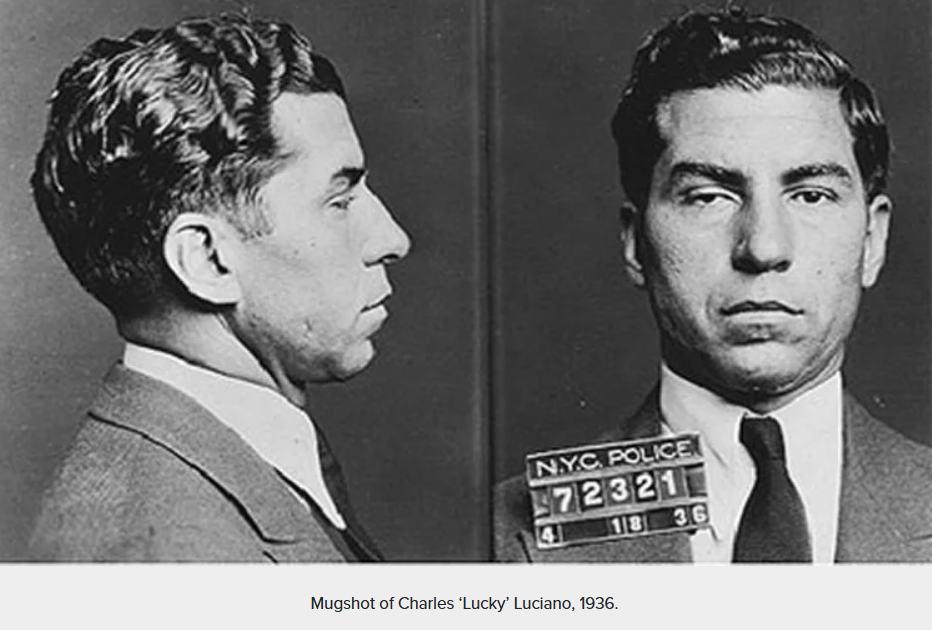
Charles “Lucky” Luciano modernized the Mob. He broke feudal fiefdoms, launched the Commission, and treated crime like a national franchise. He wasn’t sentimental. He was efficient.
Meyer Lansky was the CFO who never got made because he was Jewish—and it didn’t matter. He engineered long-money plays in casinos, Havana, and Vegas, and perfected the art of laundering. Follow the numbers and you’ll find Meyer’s shadow.
Vito Genovese pushed power through fear. Carlo Gambino did it with patience. Sam Giancana married politics to profit. John Gotti married publicity to hubris and fell because cameras feed prosecutors better than rumors do.
The lesson is simple. The flamboyant get famous. The careful get rich.
The Code — Omertà, Loyalty, and Control
Omertà—the code of silence—wasn’t poetry. It was policy. Speak to police and you die. Waver in loyalty and your mother cries. The Mob turned silence into a sacrament and betrayal into a sin. That’s not metaphor. It’s mechanism.
Initiation rites cemented it. A prick of blood. A burning icon. An oath that your life is no longer your own. These rituals weren’t superstition. They were culture tech—binding techniques that fuse identity to organization so tightly that men will trade freedom for belonging.
But codes crack. Starting in the late 1970s, two forces punched holes: RICO laws that let prosecutors treat a criminal enterprise as one entity, and witness protection that offered traitors new lives. The Mob’s iron seal weakened. Not broken—just weakened.
The Money Machine — How Cash Flows
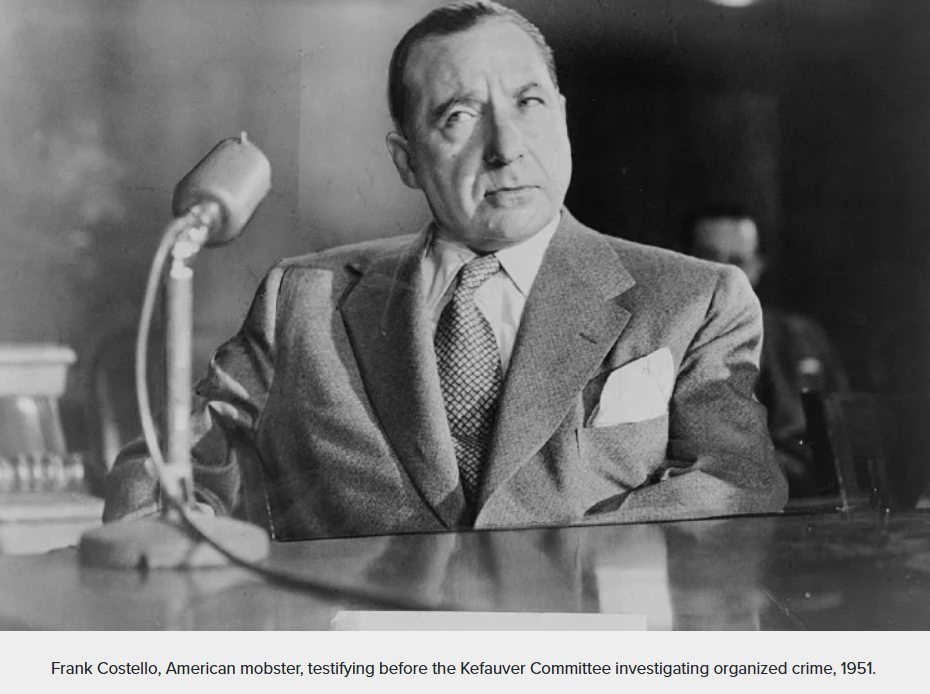
In broad strokes, the model looks like this:
- Racketeering & Protection. Pay a “tax” for peace, access, or a contract. The service is not optional.
- Gambling. From backroom numbers to online skins and offshore books. “The house” is mobile now.
- Loan-sharking. High-interest credit to the desperate. Default equals pain.
- Narcotics. High margin, high risk. Profitable when heat is managed.
- Prostitution and Porn. It’s all online now, and your IP is open to blackmail.
- Labor & Construction. Unions, bids, concrete, trucking, waste. Control chokepoints and you control the city.
- Counterfeit & Fencing. Knockoffs and stolen goods — from handbags to heavy equipment.
- Fraud. Healthcare, tax, cyber, insurance. Less blood. More spreadsheets.
The housekeeping is corporate. Front businesses, shell entities, straw owners, and layered transactions. The goal is simple. Convert dirty cash into clean assets without rattling alarms.
The newer twist isn’t the hustle. It’s the interface. Today’s bagman is an app. Today’s drop is a cryptowallet. And today’s “back room” is an encrypted channel hosted in another hemisphere.
Hits & Hunters — Violence, Investigations, and Consequences
Let’s address the ugly.
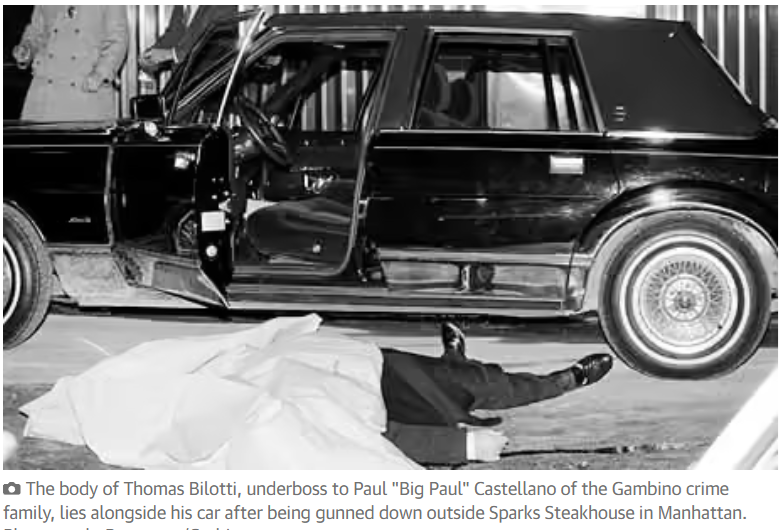
Yes, the Mafia orders murders. No, it’s not a free-for-all. Violence is instrumental—a tool to maintain discipline, settle debts, or remove threats. It’s authorized, not improvised. The green light is policy, not passion.
You won’t get a procedural here. DyingWords doesn’t publish how-to-crime. But understand this. The most important weapon the Mob ever wielded wasn’t a gun. It was certainty. If you cross a line, something will happen to you. When people believe that… they police themselves.
Now the hunters.
The wins against the Mob came from boring excellence. Wiretaps done right, surveillance done long, financials done carefully, witnesses protected completely. The Apalachin meeting (1957) blew the cover off national coordination. The Commission Case (1985–86) used RICO to convict top bosses at once. Over and over, painstaking work and patient prosecutors pried apart a culture built on fear.
What works today? What’s always worked. Follow the money. Follow the data. Protect the informants and flippers. Same as it ever was.
The Mafia in the Age of AI
You didn’t come here to hear that the Mob still runs numbers like it’s 1978. You came to ask what it’s doing now.

Here’s the sober version—without glamor and without operational detail:
- Cyber-enabled fraud. Account takeovers, synthetic identities, romance scams, business email compromise, payment diversions. Less steel. More silicon.
- Deepfake leverage. Audio and video fakery to extort, discredit, or tilt negotiations.
- Automated laundering. Layering funds through high-transaction platforms, mixers, NFTs, gaming skins, and cross-jurisdictional rails.
- Grey-market logistics. Exploiting online marketplaces, last-mile delivery, and returns to move contraband invisibly.
- Illegal gambling at scale. Offshore books fronted by local “agents” who manage credit and collections.
- AI for targeting. Public-data scraping to identify vulnerable marks or pressure points.
Two clarifiers.
First, the Mafia is not the only player on this field. Transnational gangs, cyber crews, and state-sponsored actors run parallel plays. Second, the Mob’s comparative advantage remains in relationships—the human layer that makes threats credible and debts collectable. AI amplifies reach but it doesn’t replace muscle.
Law enforcement adapts, too. AI pattern detection, link analysis, anomaly spotting, and faster subpoenas are the new countermeasures. The cat learns. The mouse learns. They evolve together.
Why the Mafia Won’t Die
This isn’t fatalism. It’s realism.
The Mafia persists because it satisfies recurring human demands that polite society struggles to meet: quick credit, predictable “justice,” frictionless vice, and the feeling of belonging to a tribe that protects its own. Add poverty, political corruption, and bureaucratic delay and you’ve got soil where crime grows like ivy.
It also persists because it compartmentalizes risk. Bosses keep hands clean. Associates take the heat. Everyone gets a cut sized to their exposure. That’s not romance. That’s actuarial science.
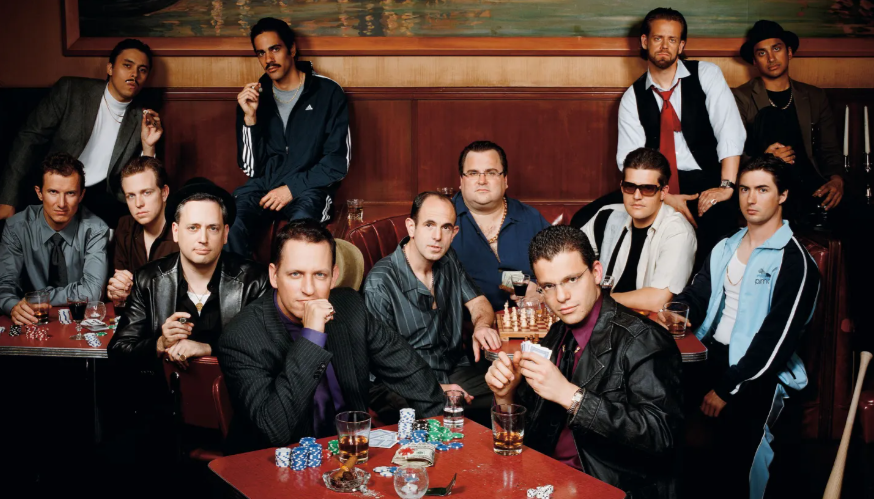
Can it be diminished? Absolutely. Prosecute relentlessly. Cut off corrupt arteries. Raise the opportunity cost. Make cooperation with the state safer than loyalty to the street. And, hardest of all, make lawful life work better than the alternative.
Until then, the shadow endures.
How You “Join” the Mafia and What It Costs
Hollywood makes “getting made” look like a prize. It’s not. It’s a shackle.
To be considered, you need pedigree—ancestry, proof of work, endorsements—and usefulness. You pass tests no decent mother would want for her son. Then you swear an oath you can’t unswear. Your wins aren’t yours. Your failures aren’t private. Your exit options are prison, witness protection, a cemetery, or cement shoes.
Upward mobility depends on revenue and reliability. You deliver, you rise. You talk, you disappear. It’s a meritocracy stapled to a death cult.
From a veteran cop’s view (mine), the smartest play is never getting near the table.
Famous Hunters — The Lawmen Who Pushed Back
Names matter because effort matters.
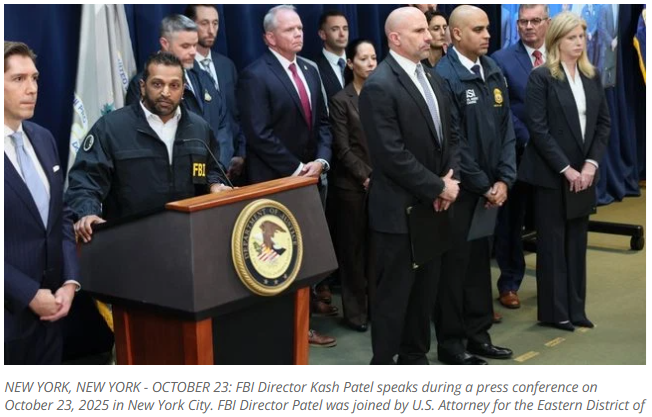
The Bureau’s long grind—from J. Edgar’s reluctance to admit the Mob existed to the sophisticated RICO era—turned into landmark cases. Prosecutors like Rudy Giuliani and teams in New York and Chicago used patient surveillance and mountains of tape to flip or roll insiders and stitch patterns no single crime could reveal. Judges backed them. Juries believed them. And for a slice of time, the Mob felt mortal.
Good. That’s how a society says “not here.”
Hollywood vs. History — What the Movies Get Right (and Wrong)
Hollywood movies get the vibe, but they miss the dullness.
Crime, at scale, is boring. It’s meetings and margins and reminding a corner bookmaker to settle up. It’s babysitting a temperamental earner and smoothing a subcontractor who wants to go straight. Violence is punctuation—not prose. The Mob survives in the commas.
The films make you smell the sauce. The files make you smell the rot.
The Mafia Today
Leadership rosters change like weather. Arrests, deaths, flips, rolls, and quiet retirements shuffle the deck. Anyone who prints “current boss lists” without a caveat is guessing or grandstanding—and sometimes endangering people.
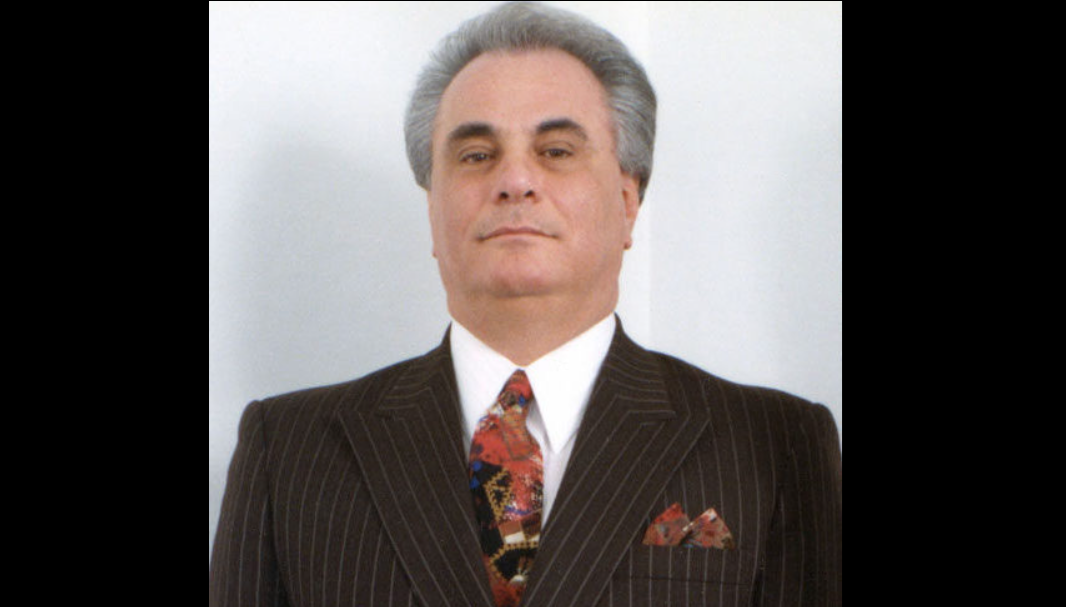
What can be said, safely and truthfully?
- The Five Families still exist in New York as enduring brands with active crews.
- Regional families in Chicago, New England, Philadelphia, New Jersey, and parts of Canada maintain operations with varying strength.
- The money has shifted toward lower-profile, higher-yield fraud, gambling facilitation, online porn blackmails, construction skims, and manipulative logistics.
- Violence is more selective because attention is a cost.
- The Mob is one player in a crowded criminal market—not the only, not the biggest, but still relevant.
The most dangerous mobster today isn’t the loudest one. Not the Hells Angel with his death-head backpatch and his straight-pipe Harley. No. He’s the one you’ve never heard of who’s silently and cunningly lurking online.
Why People Still Fall In — The Psychology of the Pull
Three arrows pierce the shield.
Belonging. The crew becomes family. For men who grew up invisible, that feeling is a drug.
Agency. Crime offers fast power to people who feel powerless. That’s intoxicating—until the bill comes due.
Money. Even a small slice of a large illegal market looks like a fortune compared to legit wages. The math works until it doesn’t.
The exit is narrow. The body count proves it.
AI, Policing, and the Next Chapter
We’re entering a decade where identity becomes malleable, money moves faster than law, and algorithms make both detection and deception easier, yet harder. The Mob will exploit weak seams—synthetic IDs, mule networks, spoofed credentials, manipulated procurement. Law enforcement must harden the seams, shorten the loop, and out-collaborate the criminals.

Three practical shifts matter:
- Financial intelligence first. Follow flows in real time, not months later.
- Data partnerships. Banks, platforms, carriers, and cops sharing signals lawfully and fast.
- Witness safety at scale. If flipping or rolling is safer than staying, the code collapses.
The future fight won’t be won by the toughest. It’ll be won by the fastest. And the most lawful. And the one who makes sophistocated use of AI.
Why the Mafia Story Still Matters
Because it’s a mirror.
The Mob shows us what happens when loyalty outruns ethics, when fear outruns law, and when money outruns meaning. It’s what a society looks like when shortcuts become culture. It’s what business looks like when governance is a gun.
You don’t beat that with speeches. You beat it with working institutions, honest policing, clean politics, quick courts, real opportunity—and communities that don’t outsource courage.
The Shadow Endures, and So Does the Light
The Mafia is an idea that learned to walk. It learned to count. It learned to code. Whenever we create a gap—of trust, of time, of service—the shadow steps in.
But here’s the good news. Bad ideas can be unlearned. Ill cultures can be healed. Systems can be tightened without strangling freedom.
The antidote to organized crime isn’t a sermon. It’s competence. It’s courage. It’s consequences. And it’s regular people refusing to rent their fear to big bullies wearing expensive shoes.
I’ve seen enough to know this—evil evolves, but truth doesn’t. The work never ends which is why the good guys will never stop and why the Mafia will never die. Both will just get smarter with AI.
Excellent article, Garry! Education about the use of AI by criminal factions is frightening but enlightening. I always enjoy and learn from your articles. Regards, Terri Williams
Thanks for the encouraging feedback, Terri. What I try to do here at Dyingwords is find a topic I find interesting / eduactional and then write about it which helps me learn – hopefully others will, too.