
Author Archives: Garry Rodgers

About Garry Rodgers

After three decades as a Royal Canadian Mounted Police homicide detective and British Columbia coroner, International Best Selling author and blogger Garry Rodgers has an expertise in death and the craft of writing on it. Now retired, he wants to provoke your thoughts about death and help authors give life to their words.

5 HISTORY CHANGES IF JFK WASN’T ASSASSINATED

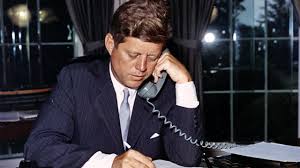
JFKJohn Fitzgerald Kennedy, 35th President of the United States of America, was assassinated in Dallas, Texas, fifty-one years ago today.

JFK’s murder on November 22, 1963, might be the most significant, singular event that shaped modern history. Ever wonder how our world would be today if Lee Harvey Oswald didn’t pull his trigger and President Kennedy survived?

It’ll never be known, but here’s 5 things where history would probably read different.

1. 1964 Presidential Election
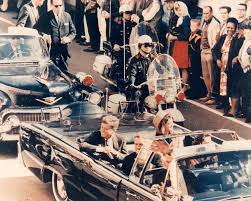
JFK LimoKennedy’s main reason for his trip to Texas in November, 1963, was to restore unity in the local Democrats. JFK critically needed their support to capture the Texas Electoral College votes. That was the tipping point which narrowly gave him the 1960 election victory over Richard Nixon. The margin was .17 percent.

The November, 1964, presidential election was going to be a race between Democratic incumbent Jack Kennedy and Republican Party’s Senator Barry Goldwater. JFK committed to winning a second term and the polls prior to his death looked promising.

His popularity rating was at 58 percent right before the assassination and he’d just completed 1,000 days in office. That number was higher than similar ratings for Richard Nixon, Ronald Reagan, Bill Clinton, George W. Bush, and Barack Obama – five presidents who won re-election bids.
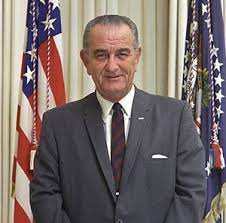
JFK3JFK was going to keep Vice President Lyndon Johnson on the ticket as his running-mate. Although Kennedy personally disliked Johnson and cut him out of most decisions, he needed Johnson’s support to carry Texas – Johnson being a powerhouse within Texan Democrats.

If JFK had won the 1964 election, Johnson was still likely to become President. I say ‘still likely’ because Kennedy was a sick man. His deteriorating spine caused him immense pain and his advancing Addison ’s disease, the failure of adrenal glands, required him to be severely medicated. It’s unlikely that his health would have stood another five years, thereby defaulting the presidency to Lyndon Johnson sometime in his second term.

There’s no doubt that the shock of JFK’s assassination gave otherwise unearned support to Johnson who pledged to carry out Kennedy’s policies which included civil rights, the space program, nuclear de-escalation in the Cold War, and slowing the spread of communism.

2. Civil Rights

On recordings made in the White House just before his death, President Kennedy told advisers that he expected a tough re-election campaign because of his support of civil rights.
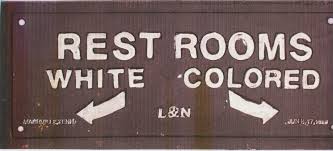
JFK4JFK introduced the Civil Rights Act in June, 1963. It faced fierce opposition in Congress, mostly from southern Democrats. Kennedy rejected an attempt to substitute a bill that would allow segregation at public facilities to continue, but it was stalled in Congress when Kennedy died.

After JFK’s death, President Johnson told the nation that passing the Civil Rights Act would be the best way to honor Kennedy’s legacy. By July, 1964, Johnson and his allies got the act approved. If Kennedy had lived, the debate over the Civil Rights Act would never have occurred during an election year.

Kennedy would have waited until after the 1964 election with the hope of having more leverage in Congress to pass the act. The combination of Kennedy and Johnson’s commitment to civil rights would still have been a huge, uphill battle and, without JFK’s assassination, probably wouldn’t have succeeded. 
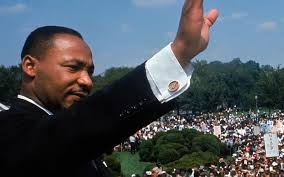
JFK5History records that once Johnson became president he was able to get the Civil Rights Act passed in 1964 and Voting Rights Act passed in 1965 using his mandate from a sympathetic landslide election, Kennedy’s legacy, and his considerable powers of persuasion in Congress.

Without question, JFK’s assassination accelerated the implementation of American civil rights which reverberated around the world.

3. Space Program
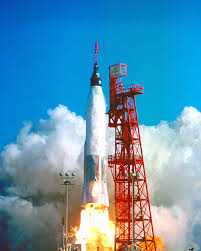
JFK6On May 25, 1961, President Kennedy stood before Congress to deliver a special message on “urgent national needs.” He asked for an additional $7 billion to $9 billion over the next five years for the space program, stating to Congress “This nation should commit itself to achieving the goal, before the decade is out, of landing a man on the moon and returning him safely to the earth.” 

Skeptics doubted the National Aeronautics and Space Administration (NASA) ability to meet the president’s ambitious timetable. Within a year, Alan Shepard and Gus Grissom travelled into space. 

In February, 1962, John Glenn orbited earth. His success inspired a great army of people who worked to reach the moon. By May, 1963, Scott Carpenter, Walter Schirra, and Gordon Cooper made multiple orbits. Each mission lasted longer than the one before and gathered more data. 

As space exploration continued through the 1960s, JFK’s shoot for the moon vision was fulfilled.
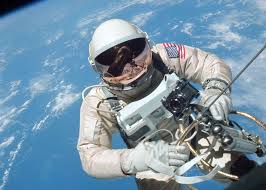
JFK7Gemini was the second NASA spaceflight program. Its goals were to perfect the entry and re-entry maneuvers of a spacecraft and conduct further tests on how individuals are affected by long periods of space travel. The Apollo Program followed Project Gemini. It was to land humans on the moon and assure safe return to Earth. 

On July 20, 1969, Apollo 11 astronauts—Neil Armstrong, Michael Collins, and Edwin “Buzz” Aldrin realized President Kennedy’s dream. 

At 8:18 p.m. ET, Armstrong and Aldrin landed on the moon. Six hours later, Neil Armstrong became the first human to step onto the lunar surface. Both men were returned safely to the earth.

President Kennedy’s vision got the job done on time. His death speeded up our human destiny which is to explore and populate beyond Earth. 

4. The Cold War

In October, 1962, the world squeaked-by annihilation when the Soviet Union put nuclear Intercontinental Ballistic Missiles (ICBMs) in Cuba. The Cuban Missile Crisis hit the height of the Cold War and tensions between the Russia and the USA were ready to snap.

Kennedy’s cool, but tough, handling through diplomatic back-door discussions with Soviet Premier Nikita Khrushchev resulted in a Cold War turning point. The Russians backed down and removed the missiles in exchange for the Americans taking their ICBMs out of Turkey.

Khrushchev developed a respect for Kennedy as a man he could trust and deal with.
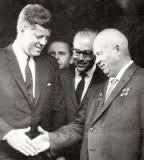
JFK9After JFK’s sudden death and Johnson’s immediate succession, the Soviets returned to an aggressive, hard line against America and continued their mistrust of American administrations under Presidents Nixon, Ford, and Carter. It took a quarter century for frosty relations to thaw till Ronald Reagan asked for the Berlin Wall to come down.

The Cold War would’ve been warmer and shorter had Jack Kennedy not been cut down in Dallas.

5. Vietnam

Audio tapes from November 19, 1963, show Jack Kennedy’s take on Vietnam as he quizzed two aides who’d returned from South-East Asia.
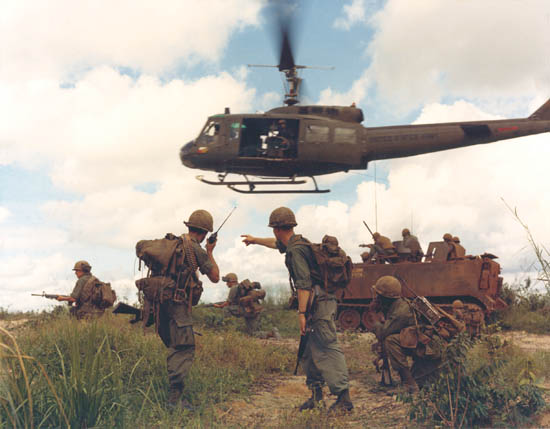
JFK13On the one hand, you get the military saying the war is going better, and on the other hand, you get the political opinion with its deterioration. I’d like to have an explanation what the reason is for the difference,” Kennedy asked.

He had a strong, overwhelming reason for being in Vietnam and that we should support the war in Vietnam, but not get our soldiers involved in combat,” Robert Kennedy said about his brother. The reason was the Domino theory. “It’ll be the loss of all of Southeast Asia if you lost Vietnam. I think everybody was quite clear that the rest of Southeast Asia would fall and this is the quandary he wrestled with.

JFK10But, three weeks before President Kennedy’s death, South Vietnamese president Ngo Dinh Diem was killed in a military coup indirectly supported by the United States. Kennedy then made it his priority to stabilize the region by assisting with military material and advisers, but he was loath to putting American army boots on the ground.

The Vietnam situation rapidly deteriorated in the year after JFK’s death. In August, 1964, Congress (with President Johnson’s forceful manipulation) approved the Gulf of Tonkin Resolution. It gave Johnson the ability to commit massive amounts of U.S. troops without a war declaration.
JFK12In 2009, Koji Masutani made a film about President Kennedy and Vietnam in Virtual JFK: Vietnam If Kennedy Had Lived. It was based on research of data and transcripts from the Kennedy administration. Masutani and the researchers concluded that Kennedy would have sought a more diplomatic solution than Johnson.

Their theory was that Kennedy’s pattern of behaviour was established in his handling of crises like the Bay of Pigs and Cuban Missile situations. It saw the president going against the advice of his military advisers to find a diplomatic solution. Kennedy’s pre-presidential book Profiles In Courage also gave insight into his preference to diplomacy vs. aggression.

De-classified planning documents from November 20, 1963, (2 days before JFK was shot) verify that Kennedy wanted all military personnel out of Vietnam by the end of 1965, unless there were justified exceptions. The fallout from the Diem coup was unknown at the time of the Kennedy assassination, so how the he’d have handled Vietnam during an election year will never be known.
JFK14But what’s known  to history – inversely to John F. Kennedy’s plan to exit Vietnam as quick as possible without losing a soldier – perversely the administrations of Presidents Johnson and Nixon supported a decade-long war in Vietnam and lost.

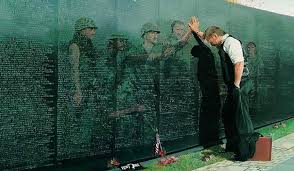
58,220 U.S. military personnel died. So did well over a million Vietnamese.

History changed when JFK was assassinated.

6 TACTICS FOR THRILLER WRITERS FROM SEAL TEAM 6

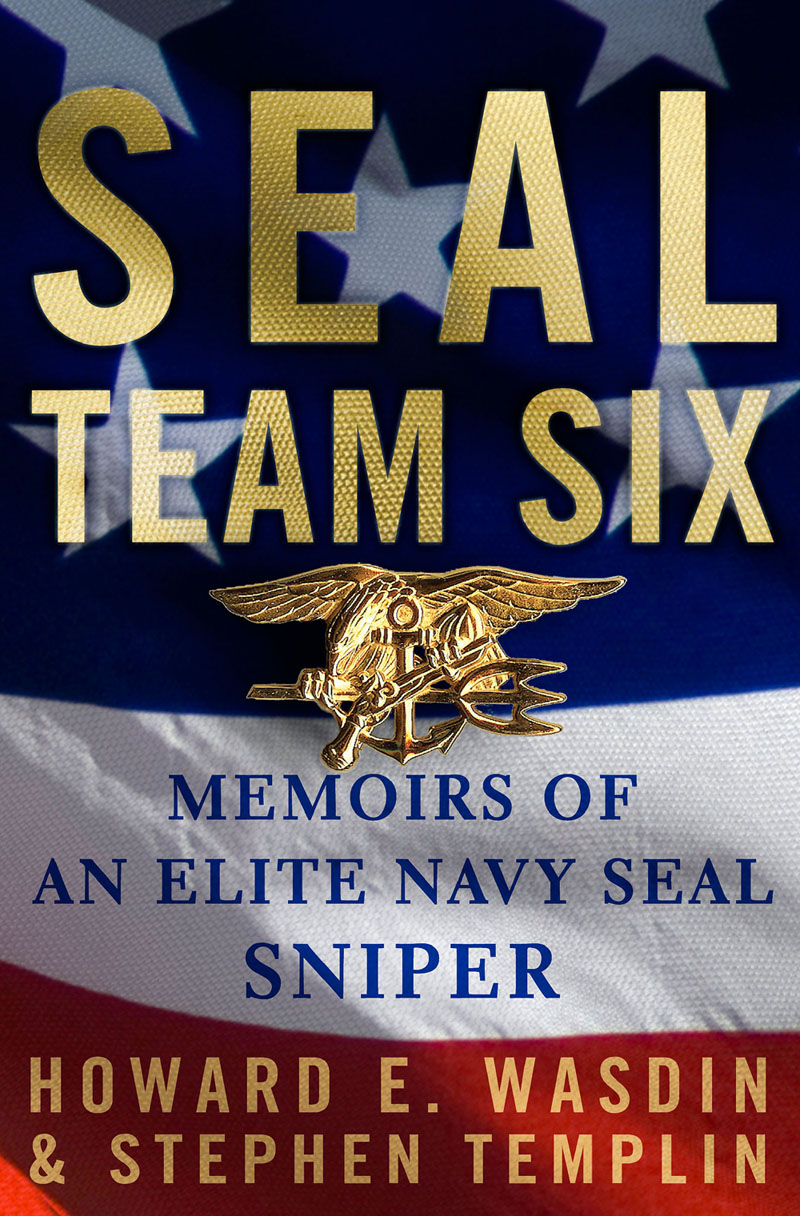
I’m honoured to have Stephen Templin guestpost on DyingWords. He’s the author of the NYT BestSelling Seal Team Six and Trident’s First Gleaming. He also survived BUD/S.

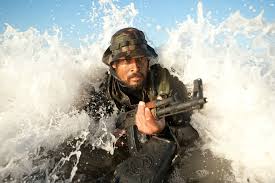
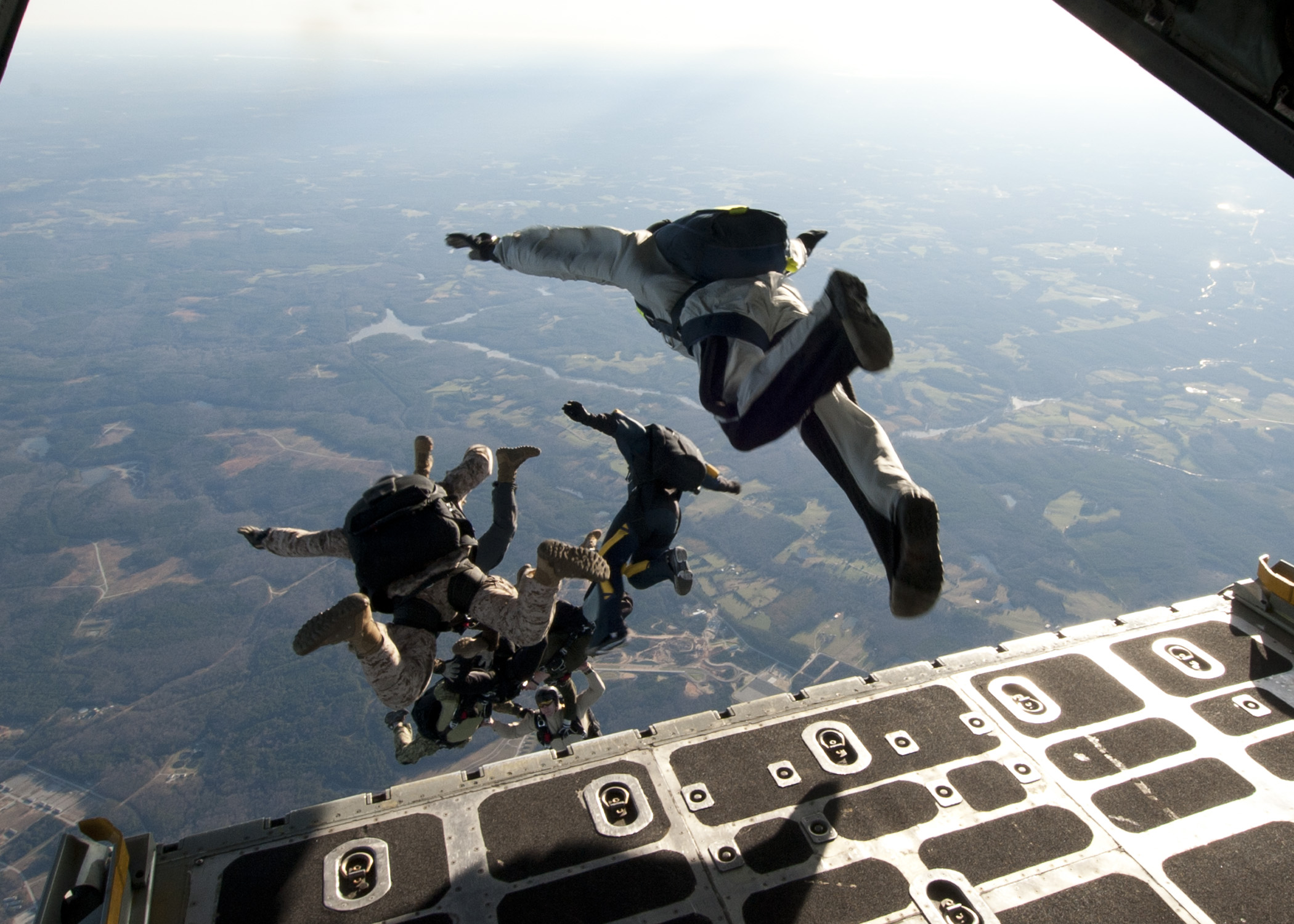
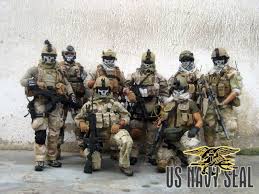
SEALSNavy SEALs often talk about “mental toughness” but what is it and how can one use it for writing thrillers?

In Basic Underwater Demolition/SEAL (BUD/S) training, after surviving Hell Week, I wanted to know more about this mental toughness in myself and others—use this behavior as a key to unlock the secrets to success in life.

Years later, I discovered Self-Efficacy Theory by Albert Bandura, and wrote my PhD dissertation on it, the closest thing to mental toughness that I could find and the most powerful predictor of human motivation. This theory states that if you strongly believe you can accomplish a task or group of tasks, you are more likely to succeed than if you don’t believe.

Tactic #1

Believe you can accomplish the mission.

SEALS2Some people dismiss this as being too simplistic or basic, but if they take time to seriously think about the strength of their belief in writing a novel, the dismissive folks will probably realize how weak their belief has been. Weak beliefs lead to less effort, focus, and persistence. Failure is already decided. In contrast, strong beliefs lead to increases in these areas. Success is not guaranteed, but the impossibility now becomes a possibility.

Tactic #2

Set specific, challenging goals.

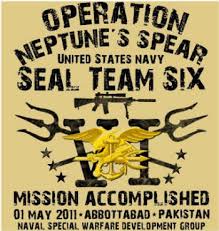
SEALS3SEAL Team Six’s mission in Abbottabad was clear, capture or kill bin Laden. When I signed my first contract for a thriller novel, my publisher, Simon and Schuster, wanted a novel that was at least 75,000 words. So that word-count was my goal.

Tactic #3

Break the goal down into specific, challenging objectives.

111208-N-OX319-045Staring at a blank page and imagining that becoming a 75,000-word novel is like standing at the bottom of Mount Everest and thinking, “How am I ever going to make it to the top?” Being vague about your purpose will lead to disaster. Even with specific objectives, if you climb too quickly, you risk injury. If you climb too slowly, you may run out of supplies or freeze to death before you summit.

You have to pick a pace that is not too easy but not too difficult for you. I chose 2,000 words a day, but even though I wrote full-time—working 9 am to 5 pm was not nearly enough time to reach my daily objective, and I was risking burnout. When faced with a tight deadline, there may not be much choice. When I dictate my own schedule, my objectives are 1,000 words a day, five days a week—I should be able to finish the novel in about 75 working days.

Tactic #4

Create strategies to achieve your goal.

SEALS11When SEAL Team Six raided Osama bin Laden’s headquarters, they used a stealth helicopter—one useful strategy that led to surprising the enemy, aiding the assault.

The business side of writing, like guest posting today, takes time and cuts into novel writing time, but one must be conscious of this and plan accordingly. If I’m launching a new book, my writing takes a back seat, but once that book is out doing its thing, business takes a back seat and writing returns to the forefront. Just say, “no.”

Taking a hint from author Joanna Penn, I highlight each day of my calendar that I succeed at writing 1,000 words. At a glance, the yellow marks give quick performance feedback. I also like to congratulate myself when I reach milestones: 1/3 finished (25,000 words), ½ finished (37,500 words), and 2/3 finished (50,000 words). There are loads of strategies waiting for you to find and invent.

Use what works for you.

Tactic #5

Remember previous successes and know that you can succeed again.

SEALS6The SEALs who raided bin Laden’s compound had succeeded at numerous missions before, and they knew they could succeed again.

As a beginning writer, I wrote English papers in high school and short fiction stories and knew I could do it again, and more. Then I wrote college papers and longer short stories. And I just kept building and building.

These successes, however small, are encouraging. Forgetting them too soon can invite discouragement.

Tactic #6

Get to know others with similar abilities to yourself.

SEALS7Their successes will be almost as valuable as your own because you’ll believe you can succeed in doing what they did.

Numerous researchers have shown these six tactics can lead to increased success in education, business, sports, careers, families, and so on.

Your mission, should you choose to accept it, is to believe you can write a thriller novel.

As always, should you or your team be caught or killed, the Secretary will disavow any knowledge of your actions. 

Good luck.

SEALS13Stephen Templin is a New York Times BestSelling author. He survived US Navy B/UDS which is the US Navy Seal equivalent of doing the Fan-Dance in the British Army’s 22nd Regiment – the Special Air Service.

SEALS9Stephen is the New York Times BestSelling Author of Seal Team Six. It’s a must-read – not just for thriller fans who want to run with the Special Forces – but for writers who want to know how the secret of why SEALs succeed can apply to their careers. (Spoiler Alert – it’s having the mental toughness to prepare and never, ever quit) I highly endorse Seal Team SixIt’s a superb read! 

Here’s the trailer for Stephen Templin’s new release Trident’s First Gleaming.

SEALS10Former SEAL Chris Paladin leaves SEAL Team Six to become a pastor, but CIA spook Hannah Andrade pulls him back into Special Operations Group, the ultra-secret unit that SEAL Team Six operators and others served under to eliminate bin Laden. Chris and Hannah are joined by Delta Force’s Sonny Cohen to stop a new terrorist threat from launching a deadly cyber-terror against the United States.

SIDS – SUDDEN INFANT DEATH SYNDROME

“Medical examiner responds to second sleep-related infant death this week.”

SIDS1This headline got my attention when it was posted online Nov 13, 2014, by Shakara Robinson of WDJT58 in Milwaukee. I’ve been meaning to write about Sudden Infant Death Syndrome, or SIDS, since I started DyingWords as I feel it’s the most tragic, misunderstood, and preventable type of death.

The article continued…

The Milwaukee County Medical Examiner’s Office responded to the death of a one-month-old infant Wednesday morning near 27th and Meinecke. Officials say the baby boy was pronounced dead at the home in the 2400 block of N. 27th Street just after 8 a.m. Initial reports suggest the baby was sleeping with his mother. An autopsy is scheduled for Friday. This is the second sleep-related infant death the Milwaukee County Medical Examiner’s Office has reported this week. A 10-day-old baby boy was pronounced dead November 10 near 81st and Oklahoma after sleeping in bed with his mother and a sibling.

I’ve attended too many SIDS cases in my time as a police officer and coroner. They are, by far, the most difficult deaths to investigate – not because of the lack of medical evidence – it’s the emotional trauma suffered by the families which sticks to the investigators.

SIDS4Sudden Infant Death Syndrome is the unexplained and unexpected death of a seemingly healthy baby aged less than 1 year old. These deaths are legally classified as SIDS if the cause can’t be explained after a thorough investigation that includes an autopsy, examination of the death scene, and review of the clinical history.

SIDS is sometimes termed ‘SUID’ for Sudden Unexplained Infant Death. Historically it’s been called crib death because many infants die in their cribs. It’s been occurring as long as humanity has been around.

SIDS is also different from positional asphyxia, accidental smothering, and accidental strangulation which are provable causes of death. In SIDS, the infant just stops breathing without an external event.

SIDS is the third leading cause of infant mortality in the world (following malnutrition and infectious disease) and it’s the leading cause of death among infants aged 1– 4 months. Although the overall rate of SIDS has declined by more than 50% since 1990, rates for black and aboriginal infants remain disproportionately higher than the rest of the population. Curiously, it occurs frequently in colder months and in homes with many occupants.

There’s no proven death mechanism for SIDS, yet it’s a recognized cause of death (COD). It appears that SIDS is associated with abnormalities in the portion of an infant’s brain that controls breathing and arousal from sleep.

SIDS5Infants are at their highest risk for SIDS during sleep. Typically, the infant is found dead after having been put to bed and there’s no sign of struggle or abuse. For some reason they just stopped breathing which, in turn, causes hypoxia or a lack of oxygenated blood to the brain resulting in cardiac arrest.

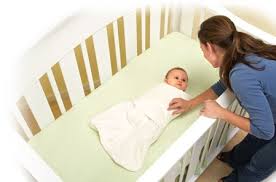
Most SIDS cases occur when babies are placed on their stomachs to sleep rather than on their backs or sides. Some researchers have hypothesized that stomach sleeping puts pressure on a child’s jaw, therefore narrowing the airway and hampering breathing.

Another theory is that stomach sleeping increases an infant’s risk of “rebreathing” his or her own exhaled air, particularly if the infant is sleeping on a soft mattress or with bedding, stuffed toys, or a pillow near the face. In that scenario, the soft surface creates a small enclosure around the baby’s mouth and traps exhaled air. As the baby breathes exhaled air, the oxygen level in the body drops and carbon dioxide accumulates. Eventually, this lack of oxygen contributes to SIDS.

Also, infants who succumb to SIDS may have an abnormality in the arcuate nucleus, a part of the brain that controls breathing during sleep. If a baby breathes stale air and doesn’t get enough oxygen, the brain triggers the baby to wake up and cry. That movement changes the breathing and heart rate, making up for the lack of oxygen. But a problem with the arcuate nucleus deprives the baby of this involuntary reaction.

Many doctors believe multiple factors contribute to SIDS.

  • SIDS6Sleeping on stomachs
  • Exposure to tobacco smoke in the womb or after birth
  • Sleeping in bed with parents
  • Premature birth
  • Being a twin or triplet
  • Born to a teen mother

Regardless, the biggest preventive of SIDS is always placing your little one on the back to sleep.

These tips from the Centers for Disease Control address the risk of succumbing to SIDS:

  • Place her on a firm mattress to sleep, never on a pillow, waterbed, sheepskin, couch, chair, or other soft surface. To prevent rebreathing, do not put blankets, comforters, stuffed toys, or pillows nearby.
  • Don’t use bumper pads in cribs. Bumper pads can suffocate or strangulate.
  • Make sure he’s immunized. Babies who are immunized have a 50% lower risk of SIDS.
  • Make sure she’s not too warm while sleeping. Keep the room at a temperature that feels comfortable for an adult in a short-sleeve shirt. Some researchers suggest babies who get too warm go into a deeper sleep, making more difficult to awaken.
  • Do not smoke, drink, or use drugs while pregnant and do not expose your baby to secondhand smoke. Infants of smoking mothers during pregnancy are 3 times more likely to die of SIDS than smoke-free moms. Exposure to secondhand smoke doubles your baby’s risk of SIDS. Researchers speculate that smoking affects the central nervous system, starting prenatally, and continuing after birth, which places your baby at increased risk.
  • Receive early and regular prenatal care.
  • Make sure he has regular checkups.
  • Breastfeed, if possible. There’s evidence that breastfeeding decreases the incidence of SIDS. Breast milk naturally immunizes her from infections that increase the risk of SIDS.
  • If he has Gastroesophangael Reflux Disease (GERD), be sure to follow your doctor’s guidelines on feeding and sleep positions.
  • Put her to sleep with a pacifier during the first year of life. If she rejects the pacifier, don’t force it. Pacifiers are linked with lower risk of SIDS. If you’re breastfeeding, try to wait until after she’s 1 month old so that breastfeeding can be established.
  • While he can be brought into your bed for nursing or comforting, put him back in his crib or bassinet when you’re ready to sleep. It’s okay to keep him in your room. Just don’t run the risk of rolling over and smothering him.
  • Don’t assume others will place her to sleep in the correct position. Insist on it. Advise sitters and child care personnel not to use the stomach position to calm an upset baby.

SIDS9Vaccinations have been a suspect in the cause of SIDS. From 2 – 4 months old, babies begin getting primary vaccinations. Co-incidentally, this is the peak age for SIDS. The timing of these two events might seem suspicious, however exhaustive studies conclude vaccinations are not a SIDS risk factor. Inversely, vaccinations are the leading cause of infant survival.

Now, I have a personal suspect in infant deaths that are mistakenly classified as SIDS.

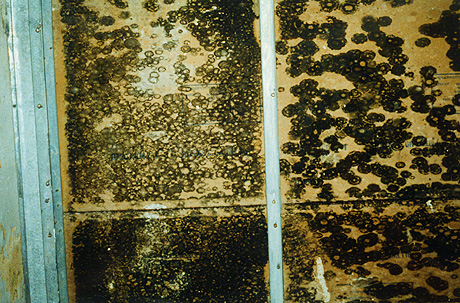
SIDS3This culprit is Stachybotrys chartarum. It’s an extremely toxic black mold found in cellulose rich building materials which requires high heat and moisture in order to grow and is associated with wet gypsum material and wallpaper.

Health problems related to this nasty mold have been documented in humans and animals since the 1930s. It’s also considered a likely candidate for the Biblical condition mistranslated as “leprosy”.

Today, Stachybotrys is linked to sick building syndrome. It’s not firmly established in scientific literature, but I find it very suspicious that the disproportionately high rate of SIDS in blacks and aboriginals can be linked to environmental conditions where Stachybotrys is prominent.

I’m not being racist here. I’m being a realist. The majority of SIDS deaths I attended were in the Canadian aboriginal (First Nations) demographic. Looking back at my notes, these deaths were mostly in the cool seasons when the residential heat was artificially high and the ventilation was low. The social state of these communities leads to a high occupancy ratio and an extremely high humidity factor in their houses – the perfect breeding ground for toxic black mold.

SIDS11My theory continues. The most vulnerable climate-exposure period for infants is when they’re building their immune system – 1 to 4 months. Contacting an environmental airborne pathogen like Stachybotrys can result in a mycotoxicosis causing a metabolic, respiratory, or cardiac disorder which could trigger sudden death.

I’m not saying most SIDS cases are pathogen related. Ultimately, all deaths have an anatomical cause that unplugs the central nervous system.  I just think that many infant deaths written off as SIDS have a root cause hidden in their environment.

If you have an infant in your family, please, please check the bedroom for any sign of black mold. It’s most observable in window tracks but thrives behind the walls and in any dark, warm, and wet place.

If you’ve experienced a SIDS death contact the American SIDS Institute www.sids.org for grief counselling, support, and referrals.

Or contact me if you’d like to talk.