Author Archives: Garry Rodgers

About Garry Rodgers

After three decades as a Royal Canadian Mounted Police homicide detective and British Columbia coroner, International Best Selling author and blogger Garry Rodgers has an expertise in death and the craft of writing on it. Now retired, he wants to provoke your thoughts about death and help authors give life to their words.

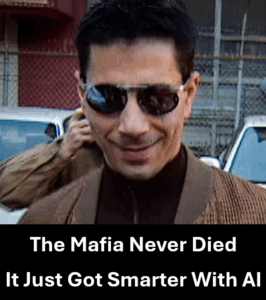
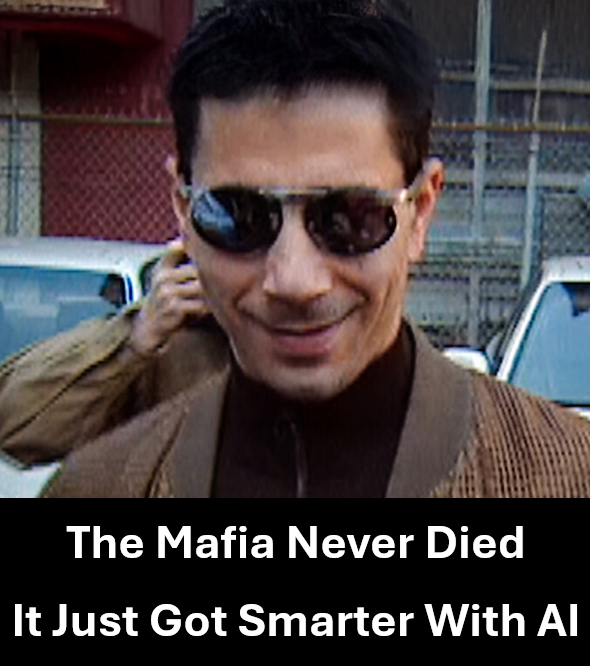
THE MAFIA NEVER DIED — IT JUST GOT SMARTER WITH AI

They call it La Cosa Nostra or “Our Thing.” The name sounds almost innocent until you realize what it truly means: a silent empire built on loyalty, fear, and bloodshed. It’s not a myth. It’s not a Hollywood invention. The Mafia is real and, as this week’s revelations about a massive, AI-powered, illegal gambling operation prove, the Mafia is still very much alive, evolving with technology, and dealing their marked cards in plain sight.
Organized crime has always been the dark twin of legitimate enterprise. Where there’s money to be made, someone will find a way to take a slice without paying taxes or answering to government regulators. The Mafia mastered that art a century ago. Despite decades of investigations, prosecutions, and betrayals, its structure endures. It’s capitalism’s shadow economy, built on the same fundamentals: hierarchy, risk management, diversification, and ruthless enforcement of brand integrity.

Most people think they know what the Mob is because they’ve seen The Godfather or Goodfellas. Those films got a lot right—the loyalty, the codes, the hierarchy—but they also romanticized something far more brutal. The real Mafia isn’t about Mamma’s pasta dinners and Papa’s mandatory respect. It’s about power. It’s about control. And at its core, it’s about money—the billions of dollars that flow through underground networks of gambling, prostitution, protection, drugs, construction, waste management, and now cybercrime using artificial intelligence.

Today’s mobsters don’t wear fedoras and carry violin cases. They wear hoodies and hold smartphones. They use encrypted messaging apps, offshore accounts, and cryptocurrency wallets. They hire coders instead of hitmen, but the principle is the same: protect the operation, silence the competition, and keep the money moving. The Mafia has always been pragmatic. That’s why it’s survived—not in spite of progress, but because of it.

And now, with AI reshaping every industry on Earth, you can bet the underworld is right with it. From Prohibition to algorithms, this is how “Our Thing” adapted, survived, and still thrives in the age of artificial intelligence.
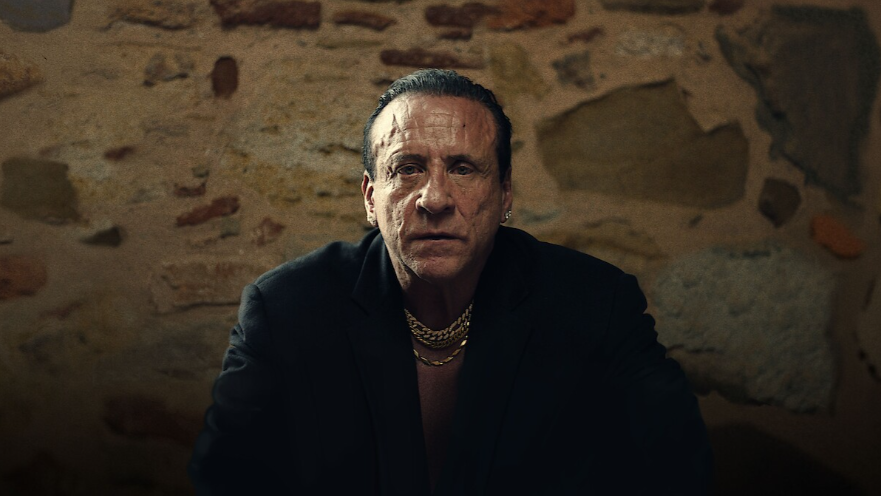
La Cosa Nostra. The name sounds almost innocent until you realize what it really means: a silent empire built on loyalty, fear, and money. It’s not a myth. It’s not a Hollywood invention. It’s the cold, organized reality of crime conducted as a multigenerational business model.

Most folks think they know the Mob because they’ve seen The Godfather or Goodfellas. Those films got some of the bones right — the loyalty, the codes, the hierarchy — but they also polished the skull. The real thing isn’t candlelit dinners with cloth napkins and Old World honor. It’s cash flow and coercion. And it’s still here because it adapts better than most corporations do.

This week’s headlines about a sprawling, AI-powered, Mafia gambling ring were a reminder. The Mob never died. It diversified. It learned smartphones. It learned crypto. It learned to outsource violence and insource accountants. Same ends. New means.

Let’s lift the lid and look at the real Mafia machine that’s running today.

The Myth and the Machine

Organized crime is capitalism’s shadow. Where there’s demand, a supplier appears. Where there’s regulation, a work-around emerges. Where there’s risk, someone prices it.

The Mafia took human nature and turned it into a product. Vice, protection, favoritism, access, “fixing”—these aren’t movie props. They’re line items. The Mob’s genius wasn’t violence. It was logistics. Distribution. Relationships. And a corporate culture that fused fear with belonging so tightly that people enforced it upon themselves.

Here’s the uncomfortable truth. Organized crime thrives where trust in the system fails. If the state can’t be trusted to protect, adjudicate, or move money efficiently, another system of “trust” appears. Call it parallel governance. Call it a parasite. Either way, it works because people believe it will—or are too scared not to.

Origins — Blood, Land, and Opportunity

The Mafia roots run through 19th-century Sicily—a hard land with weak central authority. Protection rackets filled a vacuum. Local “men of honor” mediated disputes, collected “taxes,” and enforced order with the knife and the threat. Loyalty to uomo d’onore outmuscled loyalty to a distant state moderated from Rome.

Immigration carried that model to the American Northeast. In New Orleans, Chicago, Detroit, and especially New York, Old World networks met New World opportunities. The gold rush wasn’t metal. It was Prohibition. When the Volstead Act criminalized booze, the Mafia industrialized supply. Trucks replaced donkeys. Ledgers replaced gossip. Bribes replaced ballots.

By the time Prohibition ended, the Mob had three assets every serious business wants. Capital, contacts, and control. They reinvested in labor unions, waterfronts, wholesale markets, construction, waste, gambling, and girls. The brand expanded. The book got thicker. And the blood kept the pages turning.
The Five Families — New York’s Boardroom

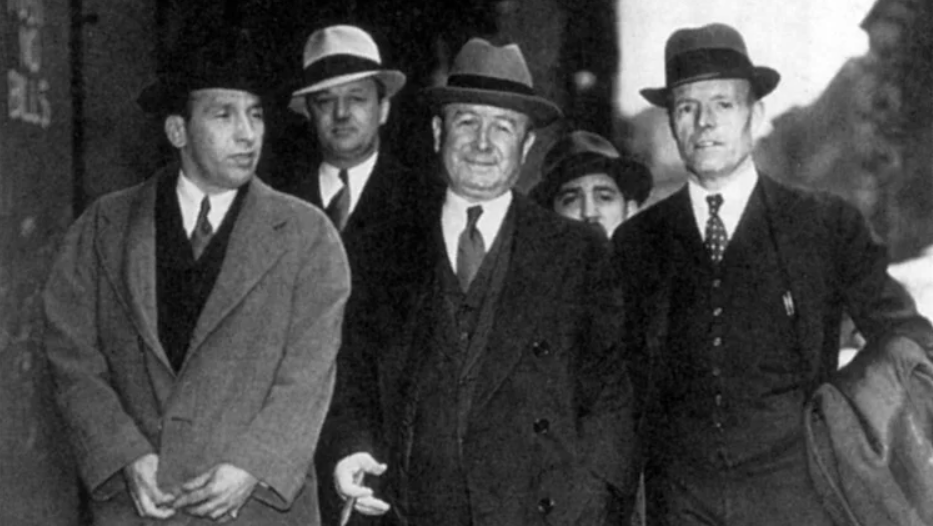
New York became the axis. Five families carved the city and synchronized the chaos:

  • Genovese
  • Gambino
  • Lucchese
  • Colombo
  • Bonanno

To reduce street wars, bosses created the Commission—a board of directors for murder and money. They set policy, arbitrated disputes, and green-lit anything big. It wasn’t democracy. It was risk management.

Hierarchy mattered:

  • Boss — CEO and final word.
  • Underboss — COO; runs day-to-day.
  • Consigliere — Counselor; a political firewall and fixer.
  • Caporegimes — Middle managers who run crews.
  • Soldiers — Made men; the W-2s of crime.
  • Associates — Freelancers; do the dirty jobs without the benefits.

Titles don’t prevent bullets. But they prevent confusion. Power abhors confusion.

The Architects — Legends and Lessons

A few names set the template.
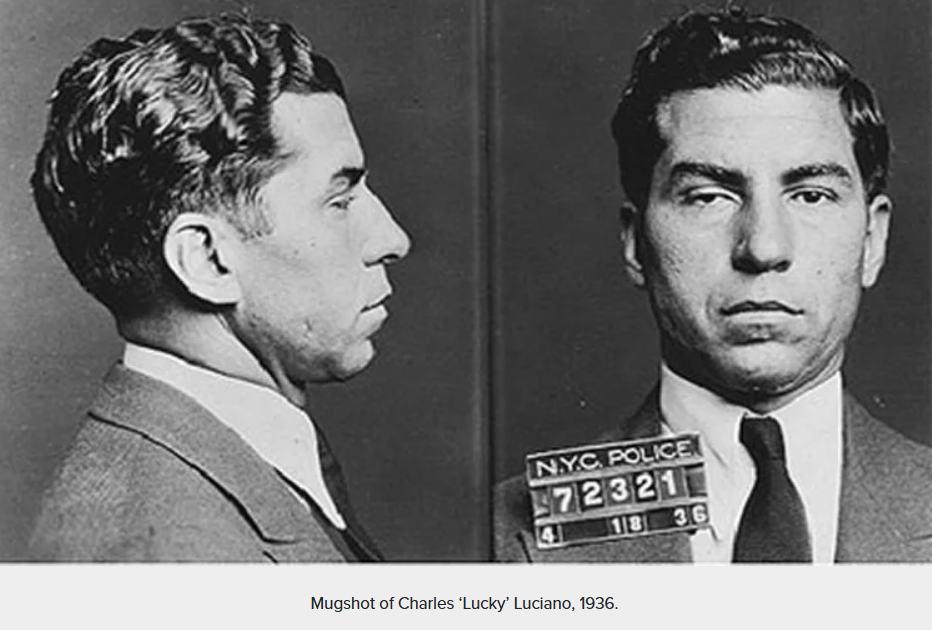
Charles “Lucky” Luciano modernized the Mob. He broke feudal fiefdoms, launched the Commission, and treated crime like a national franchise. He wasn’t sentimental. He was efficient.

Meyer Lansky was the CFO who never got made because he was Jewish—and it didn’t matter. He engineered long-money plays in casinos, Havana, and Vegas, and perfected the art of laundering. Follow the numbers and you’ll find Meyer’s shadow.

Vito Genovese pushed power through fear. Carlo Gambino did it with patience. Sam Giancana married politics to profit. John Gotti married publicity to hubris and fell because cameras feed prosecutors better than rumors do.

The lesson is simple. The flamboyant get famous. The careful get rich.

The Code — Omertà, Loyalty, and Control

Omertà—the code of silence—wasn’t poetry. It was policy. Speak to police and you die. Waver in loyalty and your mother cries. The Mob turned silence into a sacrament and betrayal into a sin. That’s not metaphor. It’s mechanism.

Initiation rites cemented it. A prick of blood. A burning icon. An oath that your life is no longer your own. These rituals weren’t superstition. They were culture tech—binding techniques that fuse identity to organization so tightly that men will trade freedom for belonging.

But codes crack. Starting in the late 1970s, two forces punched holes: RICO laws that let prosecutors treat a criminal enterprise as one entity, and witness protection that offered traitors new lives. The Mob’s iron seal weakened. Not broken—just weakened.
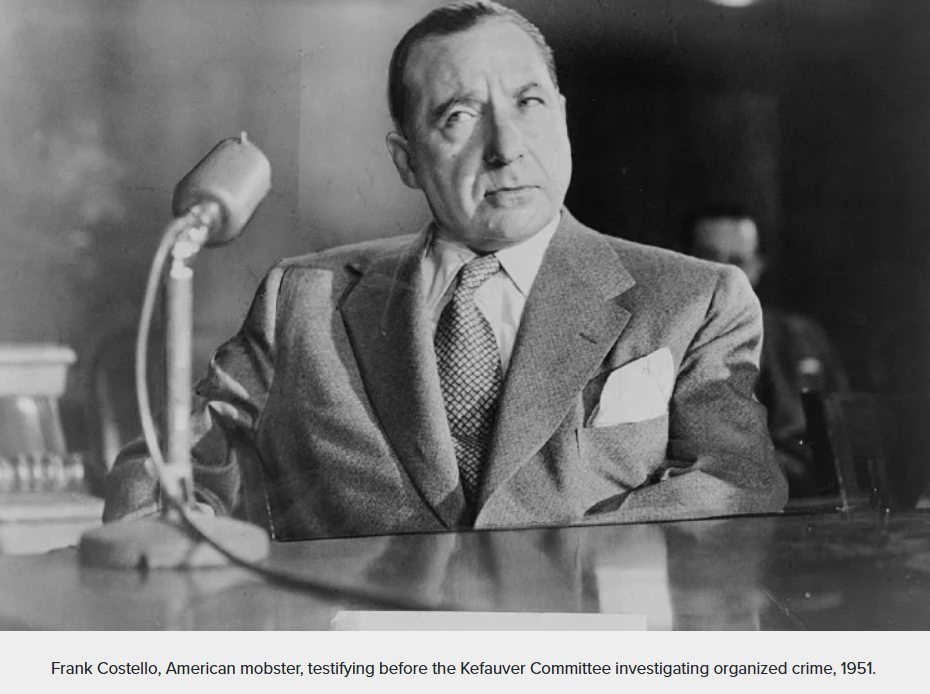
The Money Machine — How Cash Flows

In broad strokes, the model looks like this:

  • Racketeering & Protection. Pay a “tax” for peace, access, or a contract. The service is not optional.
  • Gambling. From backroom numbers to online skins and offshore books. “The house” is mobile now.
  • Loan-sharking. High-interest credit to the desperate. Default equals pain.
  • Narcotics. High margin, high risk. Profitable when heat is managed.
  • Prostitution and Porn. It’s all online now, and your IP is open to blackmail.
  • Labor & Construction. Unions, bids, concrete, trucking, waste. Control chokepoints and you control the city.
  • Counterfeit & Fencing. Knockoffs and stolen goods — from handbags to heavy equipment.
  • Fraud. Healthcare, tax, cyber, insurance. Less blood. More spreadsheets.

The housekeeping is corporate. Front businesses, shell entities, straw owners, and layered transactions. The goal is simple. Convert dirty cash into clean assets without rattling alarms.

The newer twist isn’t the hustle. It’s the interface. Today’s bagman is an app. Today’s drop is a cryptowallet. And today’s “back room” is an encrypted channel hosted in another hemisphere.

Hits & Hunters — Violence, Investigations, and Consequences

Let’s address the ugly.
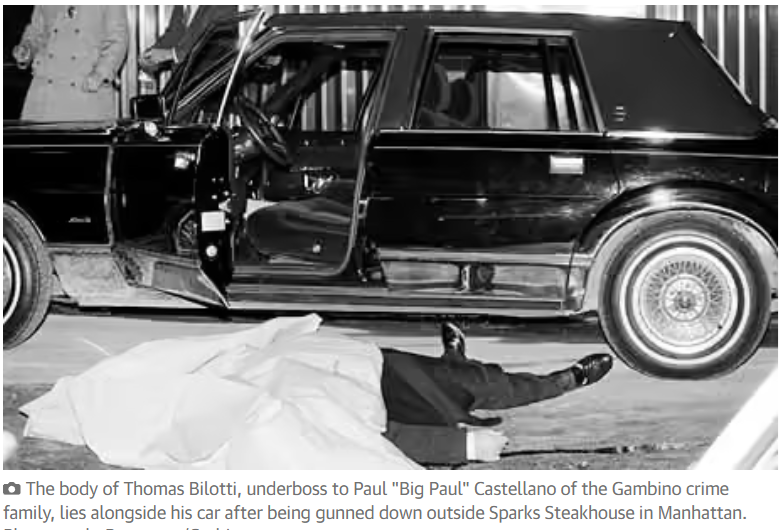
Yes, the Mafia orders murders. No, it’s not a free-for-all. Violence is instrumental—a tool to maintain discipline, settle debts, or remove threats. It’s authorized, not improvised. The green light is policy, not passion.

You won’t get a procedural here. DyingWords doesn’t publish how-to-crime. But understand this. The most important weapon the Mob ever wielded wasn’t a gun. It was certainty. If you cross a line, something will happen to you. When people believe that… they police themselves.

Now the hunters.

The wins against the Mob came from boring excellence. Wiretaps done right, surveillance done long, financials done carefully, witnesses protected completely. The Apalachin meeting (1957) blew the cover off national coordination. The Commission Case (1985–86) used RICO to convict top bosses at once. Over and over, painstaking work and patient prosecutors pried apart a culture built on fear.

What works today? What’s always worked. Follow the money. Follow the data. Protect the informants and flippers. Same as it ever was.

The Mafia in the Age of AI

You didn’t come here to hear that the Mob still runs numbers like it’s 1978. You came to ask what it’s doing now.

Here’s the sober version—without glamor and without operational detail:

  • Cyber-enabled fraud. Account takeovers, synthetic identities, romance scams, business email compromise, payment diversions. Less steel. More silicon.
  • Deepfake leverage. Audio and video fakery to extort, discredit, or tilt negotiations.
  • Automated laundering. Layering funds through high-transaction platforms, mixers, NFTs, gaming skins, and cross-jurisdictional rails.
  • Grey-market logistics. Exploiting online marketplaces, last-mile delivery, and returns to move contraband invisibly.
  • Illegal gambling at scale. Offshore books fronted by local “agents” who manage credit and collections.
  • AI for targeting. Public-data scraping to identify vulnerable marks or pressure points.

Two clarifiers.

First, the Mafia is not the only player on this field. Transnational gangs, cyber crews, and state-sponsored actors run parallel plays. Second, the Mob’s comparative advantage remains in relationships—the human layer that makes threats credible and debts collectable. AI amplifies reach but it doesn’t replace muscle.

Law enforcement adapts, too. AI pattern detection, link analysis, anomaly spotting, and faster subpoenas are the new countermeasures. The cat learns. The mouse learns. They evolve together.

Why the Mafia Won’t Die

This isn’t fatalism. It’s realism.

The Mafia persists because it satisfies recurring human demands that polite society struggles to meet: quick credit, predictable “justice,” frictionless vice, and the feeling of belonging to a tribe that protects its own. Add poverty, political corruption, and bureaucratic delay and you’ve got soil where crime grows like ivy.

It also persists because it compartmentalizes risk. Bosses keep hands clean. Associates take the heat. Everyone gets a cut sized to their exposure. That’s not romance. That’s actuarial science.
Can it be diminished? Absolutely. Prosecute relentlessly. Cut off corrupt arteries. Raise the opportunity cost. Make cooperation with the state safer than loyalty to the street. And, hardest of all, make lawful life work better than the alternative.

Until then, the shadow endures.

How You “Join” the Mafia and What It Costs

Hollywood makes “getting made” look like a prize. It’s not. It’s a shackle.

To be considered, you need pedigree—ancestry, proof of work, endorsements—and usefulness. You pass tests no decent mother would want for her son. Then you swear an oath you can’t unswear. Your wins aren’t yours. Your failures aren’t private. Your exit options are prison, witness protection, a cemetery, or cement shoes.

Upward mobility depends on revenue and reliability. You deliver, you rise. You talk, you disappear. It’s a meritocracy stapled to a death cult.

From a veteran cop’s view (mine), the smartest play is never getting near the table.

Famous Hunters — The Lawmen Who Pushed Back

Names matter because effort matters.
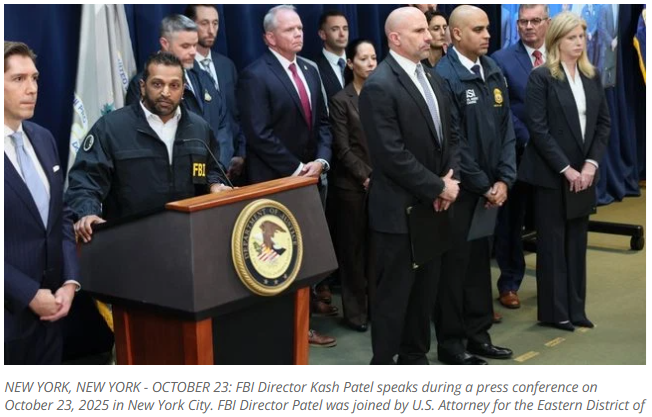
The Bureau’s long grind—from J. Edgar’s reluctance to admit the Mob existed to the sophisticated RICO era—turned into landmark cases. Prosecutors like Rudy Giuliani and teams in New York and Chicago used patient surveillance and mountains of tape to flip or roll insiders and stitch patterns no single crime could reveal. Judges backed them. Juries believed them. And for a slice of time, the Mob felt mortal.

Good. That’s how a society says “not here.”

Hollywood vs. History — What the Movies Get Right (and Wrong)

Hollywood movies get the vibe, but they miss the dullness.

Crime, at scale, is boring. It’s meetings and margins and reminding a corner bookmaker to settle up. It’s babysitting a temperamental earner and smoothing a subcontractor who wants to go straight. Violence is punctuation—not prose. The Mob survives in the commas.

The films make you smell the sauce. The files make you smell the rot.

The Mafia Today

Leadership rosters change like weather. Arrests, deaths, flips, rolls, and quiet retirements shuffle the deck. Anyone who prints “current boss lists” without a caveat is guessing or grandstanding—and sometimes endangering people.
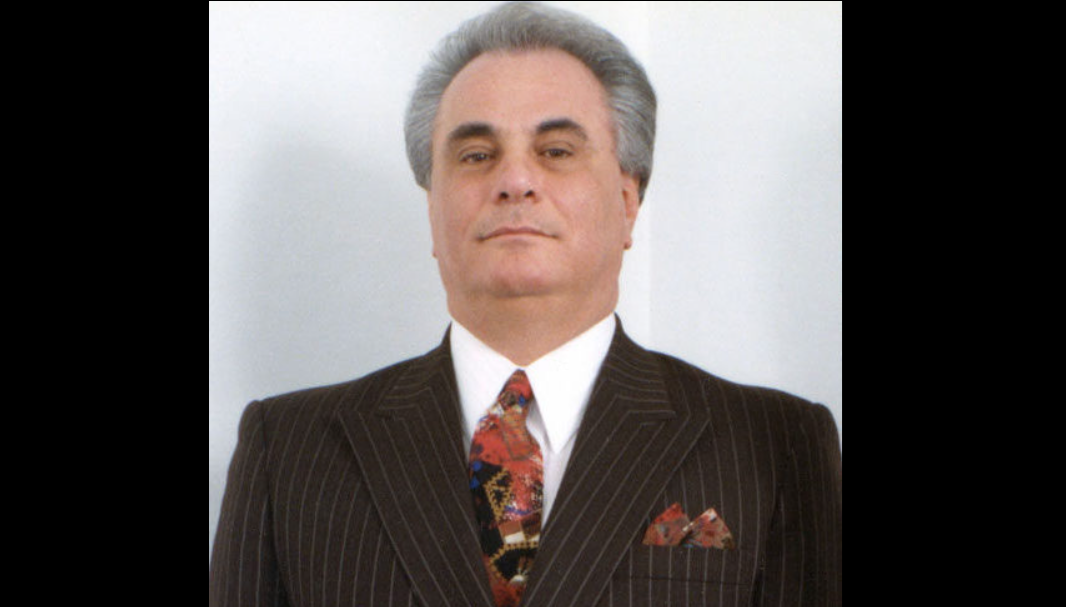
What can be said, safely and truthfully?

  • The Five Families still exist in New York as enduring brands with active crews.
  • Regional families in Chicago, New England, Philadelphia, New Jersey, and parts of Canada maintain operations with varying strength.
  • The money has shifted toward lower-profile, higher-yield fraud, gambling facilitation, online porn blackmails, construction skims, and manipulative logistics.
  • Violence is more selective because attention is a cost.
  • The Mob is one player in a crowded criminal market—not the only, not the biggest, but still relevant.

The most dangerous mobster today isn’t the loudest one. Not the Hells Angel with his death-head backpatch and his straight-pipe Harley. No. He’s the one you’ve never heard of who’s silently and cunningly lurking online.

Why People Still Fall In — The Psychology of the Pull

Three arrows pierce the shield.

Belonging. The crew becomes family. For men who grew up invisible, that feeling is a drug.

Agency. Crime offers fast power to people who feel powerless. That’s intoxicating—until the bill comes due.

Money. Even a small slice of a large illegal market looks like a fortune compared to legit wages. The math works until it doesn’t.

The exit is narrow. The body count proves it.

AI, Policing, and the Next Chapter

We’re entering a decade where identity becomes malleable, money moves faster than law, and algorithms make both detection and deception easier, yet harder. The Mob will exploit weak seams—synthetic IDs, mule networks, spoofed credentials, manipulated procurement. Law enforcement must harden the seams, shorten the loop, and out-collaborate the criminals.

Three practical shifts matter:

  1. Financial intelligence first. Follow flows in real time, not months later.
  2. Data partnerships. Banks, platforms, carriers, and cops sharing signals lawfully and fast.
  3. Witness safety at scale. If flipping or rolling is safer than staying, the code collapses.

The future fight won’t be won by the toughest. It’ll be won by the fastest. And the most lawful. And the one who makes sophistocated use of AI.

Why the Mafia Story Still Matters

Because it’s a mirror.

The Mob shows us what happens when loyalty outruns ethics, when fear outruns law, and when money outruns meaning. It’s what a society looks like when shortcuts become culture. It’s what business looks like when governance is a gun.

You don’t beat that with speeches. You beat it with working institutions, honest policing, clean politics, quick courts, real opportunity—and communities that don’t outsource courage.

The Shadow Endures, and So Does the Light

The Mafia is an idea that learned to walk. It learned to count. It learned to code. Whenever we create a gap—of trust, of time, of service—the shadow steps in.

But here’s the good news. Bad ideas can be unlearned. Ill cultures can be healed. Systems can be tightened without strangling freedom.

The antidote to organized crime isn’t a sermon. It’s competence. It’s courage. It’s consequences. And it’s regular people refusing to rent their fear to big bullies wearing expensive shoes.

I’ve seen enough to know this—evil evolves, but truth doesn’t. The work never ends which is why the good guys will never stop and why the Mafia will never die. Both will just get smarter with AI.

DyingWords is powered by a Centaur Intelligence System and its EXPONENTIAL Thought Engine
centaursystems.ai

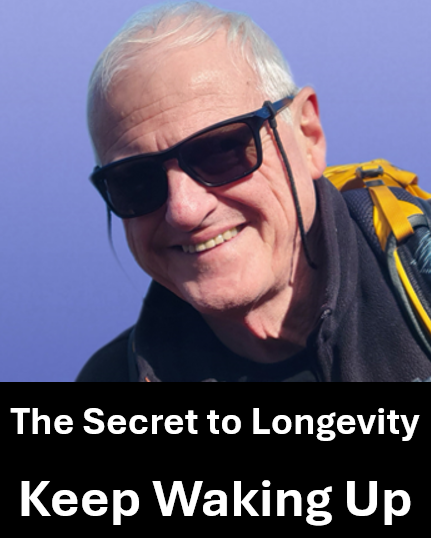
THE SECRET TO LONGEVITY — KEEP WAKING UP AND STAYING IN THE GAME

Step one. Don’t die. Life is renewed every morning, and having a purpose in your life is a must. You get to affirm it each day. The trick is to keep doing it. As they say… lather, rinse, and repeat. Right?

I turn 69 years old tomorrow, and I woke up alive today. I hope that happens again on my birthday. Funny how the older you get, the simpler your goals become—a good sleep, a clear head, and a reason to get out of bed.

You start to realize longevity isn’t a competition. It’s not about chasing youth or pretending time doesn’t matter. It’s about living well enough this day so that you want to do it again the next day. And having a purpose or two.

One of my purposes at this stage of life is developing a website and Substack feed called OldGoats.Health. It’s a longevity space for old goats like me. You know… healthy and active seniors who want to increase their healthspan. And enjoy their lifespan.

In it, I boil things down to the Big Five. The five pillars that keep your body strong, your mind clear, and your spirit curious. Eat. Move. Rest. Think. Do.

That’s it. You don’t need a PhD, a six-pack of abs, or a Blackrock hedge fund account to follow them. Just a bit of discipline and a sense of humor.

Here’s your simple formula for living a long, healthy, and happy life.

EAT

Your body is a hi-performance work engine. Feed it premium fuel, not swamp gas. In other words, don’t top your tank with shit.

You don’t have to live on kale chips and sandhill crane steaks, but you can’t treat your gut like a landfill, either. Eat mostly plants. Add some lean protein, healthy fats, and food that still resembles what it looked like when it came out of the ground, from the sea, or off the bone.

If your great-grandmother wouldn’t recognize it as food, skip it. The fewer artificial ingredients, the better. The closer to nature, the wiser the choice.

And for God’s sake, drink water. Most people walk around half-dehydrated and wonder why they feel cranky, foggy, and old. Hydration is the oil in your engine. Some coffee’s fine. Wine’s good, too. (In moderation, apparently.) But water’s the bomb.

Oh—Here’s an Old Goat truth. You don’t need a diet. You need a direction. Small, consistent choices beat wild swings of guilt and indulgence. You don’t win the longevity race in a week. You earn it over decades.

BTW, you can’t go wrong with the Mediterranean Diet.

MOVE

Movement is medicine, and stagnation is slow death.

You don’t need a gym membership or a spreadsheet of macros. You need to get outside. Walk, hike, carry something heavy, climb a hill, or chase your grandkids around. Whatever gets your heart pumping and your joints talking.

Your legs are your last line of independence. Protect them like gold. I hike nearly every day, and not just for my legs. It’s for my mind. Walking is thinking in motion. The rhythm of footsteps is nature’s therapy.

Stretch. Breathe. Learn your body’s knots and creaks and work with them. You don’t stop moving because you get old. You get old because you stop moving.

And remember—the best workout is the one you’ll actually do.

REST

Sleep is not laziness. It’s repair.

When I was younger, I bragged about running on five hours a night. That’s like bragging about running your car with no oil. You might get a few miles, but it won’t end well.

Now, I treat sleep like medicine. Dark room. Cool air. No radio. No drama. I guard those hours like treasure. A rested mind is sharper, calmer, and far more likely to make good decisions.

And rest doesn’t just mean sleep. It means recovery—from noise, from people, from screens, from stress. Step away. Find silence. Let your nervous system take a breather.

Here’s the truth. You can’t live well if you’re always tired. You can’t think clearly, love fully, or work wisely when you’re running on fumes. Rest isn’t optional. It’s sacred.

THINK

Most people fill their heads with junk and wonder why they feel lost. Mental clutter is worse than physical clutter. At least you can see the mess in your garage.

Think clearly. Question what you hear, especially from anyone selling certainty. Avoid outrage, gossip, and endless doom scrolling. They rot the mind.

Read real books. Listen more than you speak. Seek conversations that stretch your thinking, not just echo what you already believe.

And remember—your thoughts shape your life. Every day you’re building a mental environment you must live inside. Make it a place worth waking up in.

One of the biggest lessons I’ve learned in 69 years is this. Peace is not the absence of noise. It’s the ability to remain clear in the middle of it.

DO

Doing keeps you young. Not busyness. Not distraction. Purposeful doing.

You don’t need a grand plan to change the world. Just do something that matters to you, to someone you love, or to the world around you. Meaning compounds, even in small doses.

Every day, do something physical, something useful, something kind, and something curious. That’s the real longevity formula. When you stop doing, entropy wins.

I’ve seen what happens when people stop having reasons to get up. They fade. Purpose is oxygen for the soul. Even a small goal—fix something, plant something, learn something, help someone—can keep the flame alive.

Don’t overthink it. Just do.

So yes, Step one, don’t die. Step two, don’t waste the gift. Life is renewed every morning, and each sunrise is an invitation to start again.

Longevity isn’t about outsmarting death. It’s about outlasting apathy. It’s about waking up one more day with enough curiosity to ask, What’s next?

You don’t need secrets, supplements, or slogans. You just need the discipline to eat right, move daily, rest deeply, think clearly, and do something meaningful.

That’s the Old Goats.Health way. Trust me, it works. Because tomorrow, when I wake up and turn 69, I’ll take a deep breath, stretch my legs, pour a strong black coffee laced with Turkey Tail mushrooms (tramete versicolore), and say to myself, “Well, step one’s done. Let’s make the rest of the day count.”

Afterword: The Universe Has Already Given Us Everything We Need

I was going to end this piece here, but a little voice told me to keep typing. That voice wants to share something with you. Something universal, timeless, and true.

When you strip away all the noise, the gimmicks, and the so-called secrets to health and longevity, you realize something simple and astonishing. The universe already gave us everything we need to live well. Everything.

I’ve come to see life and health through seven universal constants. Five provisions. Two principles. Together they form the blueprint of reality, and they apply as much to a single human life like yours as they do to trillions of galaxies.

Once you understand them, everything starts to make sense—from the way your body works, to how your mind evolves, to why life feels both fragile and miraculous.

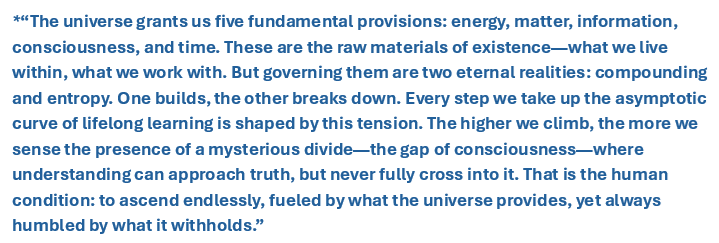
The five provisions are what the universe runs on. Energy, matter, information, consciousness, and time. The two principles are what shape it. Compounding and entropy.

Energy is life’s spark—the current that powers everything from your heartbeat to the sun’s glow. You don’t create energy. You channel it. When you eat real food, move your body, and breathe deeply, you’re aligning with the universe’s flow of energy. When you waste energy on worry, resentment, or excess, you’re swimming upstream.

Matter is your body—borrowed molecules arranged for a little while into a form that walks, thinks, and dreams. Matter doesn’t belong to you. It’s on loan from the earth. What you eat, touch, and breathe becomes you. When you take care of matter, matter takes care of you.

Information is the pattern that gives shape to matter and direction to energy. It’s not just data. It’s wisdom encoded in everything from DNA to your daily choices. Every experience, every mistake, and every new idea adds to your internal library. The key is to keep updating it—keep learning, keep refining, keep asking better questions.

Consciousness is the universe becoming aware of itself through you. It’s your witness—the observer behind your thoughts. When you’re still, when you listen, when you notice beauty or feel gratitude, you’re tuning into that deeper awareness. That’s not self-help talk. It’s physics meeting philosophy.

And then there’s time. Time is the arena where all of this plays out. You can’t fight it, slow it, or save it. But you can honor it—by being present, by focusing on what truly matters, by using the time you have to live fully instead of endlessly preparing to.

The universe runs on two opposing forces—compounding and entropy. Compounding builds. Entropy breaks down. Both are natural, both are necessary, and both are constant.

Compounding is the quiet miracle that turns small efforts into great results—whether it’s money, muscle, knowledge, or kindness. Every good habit compounds. Every truth compounds. Every day you wake up and take one honest step forward, you’re defying entropy.

Entropy, on the other hand, is the cost of existence. It’s the gradual drift toward disorder. It’s rust, decay, disease, confusion, and death. You can’t stop it, but you can slow it down by living consciously, caring for your body, and maintaining purpose. Neglect accelerates entropy. Awareness resists it.

That’s the real secret to longevity—not tricking time but working with the universe instead of against it. Eat in a way that honors energy and matter. Move in a way that sustains your body’s rhythm. Rest so your systems can restore order against entropy. Think in ways that clarify, not confuse. And do. Keep acting with intention, because action is the signature of life.

Everything you need for a long, healthy life is already woven into the fabric of existence. You’re made of the same stuff as stars. You live inside the same laws that create black holes.

So don’t fight the universe. Understand its logos. Work its pathos. Live its ethis.

And each morning when you wake up, remember… you’re not defying nature.

You are nature—you are the experiment nature is running—so choose to stay in the game.

That’s the secret to longevity. To keep waking up. And staying in the game.

Dyingwords.net is powered by a Centaur Intelligence System and its EXPONENTIAL Thought Engine
centaursystems.ai

LIFE’S ENDLESS CLIMB AND ITS UNATTAINABLE SUMMIT

Most people spend their lives believing that the deeper they learn, the wiser they’ll become—that one day, if they read enough, think hard, and ask the right questions, they’ll reach the high pinnacle of understanding. They’ll scale the mountain of wisdom and finally see the big picture.

I used to believe that. But now I see differently. I’ve come to accept knowledge and clarity as something else entirely—a journey toward life’s endless climb and its unattainable summit. Not as a point of arrival.

The more we know, the more the unknown expands. The closer we think we are, the more elusive truth becomes. The slope doesn’t end. The summit can’t be reached. And in that paradox, I found something staggering.

Something timeless. Something that changed the way I see reality. And maybe it’ll change how you see things, too.

Because what I discovered is simple: more answers only lead to more questions.

Understanding Life’s Mountain Climb

I’ve always been a climber—physically, intellectually, philosophically, and spiritually. I’ve wanted to get above the noise of the world, to reach some kind of mental elevation where the view is clearer. More complete. Less polluted by useless trivia and utter BS.

Like many of you, I’ve read hundreds—probably thousands—of books. I’ve studied religion, science, metaphysics, psychology, and philosophy. I’ve worn the uniforms of authority and walked the chilled corridors of death as a homicide investigator and coroner. I’ve seen the raw, ugly face of truth—and its transcendent beauty, too.

But there’s one constant that always pulled me forward. That’s the belief that true wisdom could be reached through high climbing.

What I didn’t discern until recently was this: Wisdom doesn’t arrive. It reveals. And then it recedes. And then it reveals again—on a higher ridge.

And that brings us to the mountain.

The Mountain and the Curve

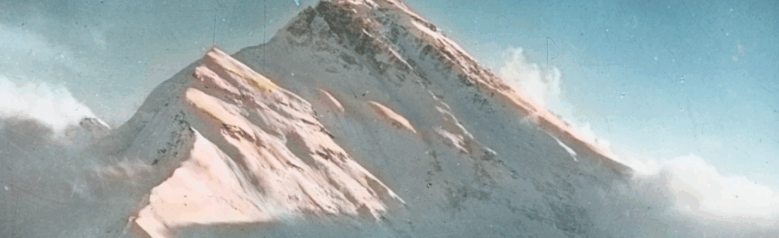
Imagine you’re climbing a mountain. You think there’s a summit up there in the clouds. That with enough effort, enough books, enough late-night thoughts, you’ll reach it. You’ll finally be able to plant your flag and say, “I understand.” But the closer you get to that imaginary peak, something strange happens.

The summit moves. Or rather, it vanishes.

In lifelong learning, what you’re climbing isn’t a mountain with a peak. It’s an asymptotic curve—a slope that ascends forever, getting closer and closer to the summit line… but never quite touching it.

An asymptote is a mathematical concept. It describes a curve that approaches a boundary—but never reaches it. No matter how far you go, there’s always a little more space left that deepens as you rise. It’s an infinite approach.

That’s what the pursuit of knowledge really is. We can climb or learn forever. But the summit stays just out of reach.

And here’s the real mind-bender. The higher you climb, the more of the world you see—and the more you realize how much of it lies beyond your line of sight.

This isn’t failure. It’s discovery.

The Gap Revealed

At a certain altitude, something shifts. You start to see it—the gap of consciousness.

It’s the space between what we can know… and what truly is. It’s the unbridgeable distance between facts and meaning. Between intellect and being. Between reality and our limited human attempt to wrap language around it.

I believe this gap is not a bug in the human mind. It’s not a flaw to be patched. It is the very birthplace of consciousness.

And it’s only visible from above. You can’t see it until you’ve climbed long enough, hard enough, and honestly enough to earn the vantage.

This is where I found myself—not long ago. At an inflection point. One of those rare moments where the compounding of energy, matter, information, time, entropy, and consciousness seemed to converge into a hyper-awareness of what we’re really doing here.

We’re not solving the universe. We’re living within it. We’re hardwired to observe it with awe.

The Paradox of Ascent

It’s here that the paradox hit me like lightning bolt from Zeus. The clearer our thinking becomes, the murkier the gap reveals itself to be.

This is what Socrates meant when he said, “I know that I know nothing.”

He wasn’t being a smart ass, unlike his nemesis Diogenes the Cynic. Socrates was mapping the terrain. He was standing at the gap. And he saw that the moment you think you’ve got it all figured out… you’ve stopped climbing.

Real wisdom isn’t a crown you wear. It’s a ridge you walk. And from that ridge, you don’t just see more answers. You see the shape of life’s mystery itself.

The Human Condition — Not Knowing, But Seeking

This might sound discouraging. That you can never fully arrive. But it’s not.

In fact, it’s the opposite. And it’s liberating because it reframes the purpose of intelligence. Intelligence isn’t a library of facts. It’s not even the ability to solve problems. Not really.

Intelligence is how we relate to the unknown. It’s our interface with mystery. Our raison d’être.

And our ability to tolerate ambiguity—to walk into the highest of clouds and keep going—is what defines human greatness.

We’re not here to answer everything. We’re here to live inside the questions long enough for meaning to emerge. And emerge it will, given time.

What Happens After the Revelation

After I recognized and appreciated the asymptotic learning curve  and the consciousness gap, something in me shifted. I no longer felt pressured to be right. Or to “master” everything. Or to pretend certainty where certainty seemed not to exist.

Instead, I started focusing on clarity over control. On direction over destination. On deepening over finishing.

I started asking different questions:

  • What kind of mind am I becoming?
  • Am I climbing with humility?
  • Can I show others the ridge—not the map?

I began seeing my role differently. Not as a knower. But as a climber with a lantern lit to find out.

A guide for others who sense the same mystery—and need a word of encouragement for the expedition.

Lifelong Learning and the Inflection Point

This realization didn’t come from a single book or a sudden moment. It came from compounding. From a lifetime of reading, reflecting, and asking why. From reaching a point where the climb had enough vertical that the view broke open.

I believe we all reach this inflection point—if we keep going long enough. It’s where learning ceases to be additive and becomes exponential.

Your thoughts loop back and reinforce each other. Your understanding accelerates. You begin to see principles instead of facts. Patterns instead of trivia. Essence instead of noise.

And this is when the gap appears.

The Five Provisions and the Infinite View

To understand this clearly, think of the five great provisions the universe gives us:

  • Energy
  • Matter
  • Information
  • Consciousness
  • Time

These are the ingredients of your climb.

And the two forces that shape how they interact?

  • Compounding (growth, clarity, understanding)
  • Entropy (decay, disorder, forgetting)

Your mind is the mechanism that converts one into the other. Energy into matter using information through time. It fights entropy with clarity. It builds meaning through compounding.

And consciousness… consciousness is the space where that fight happens. It’s not just something you have. It’s something you stand inside of.

And when you reach the ridge—when you’ve climbed long enough and high enough—you’ll see that the gap above you, below you, and all around you is infinite.

Why This Matters

This isn’t just a nice idea for philosophers or mystics. It matters for you—today. Because it changes what you aim for. It frees you from needing to “arrive.”

It gives you permission to become a different kind of thinker. A different kind of human. One who walks toward the mystery—not to defeat it, but to live in right relationship with it.

That’s the great shift. From current knower to lifelong climber. From temporary master to permanent steward. From assured certainty to nuanced openness.

Words From the Ridge

If you’ve felt this—if some part of your life has brought you to the edge of knowing, and then past it—know this:

You’re not lost. You’re arriving. What you’re arriving at is the gap. The infinite, asymptotic space between all we now know… what we can know… and all that is.

The view from here is breathtaking. And it’s waiting for you.

Just keep climbing.

*   *   *

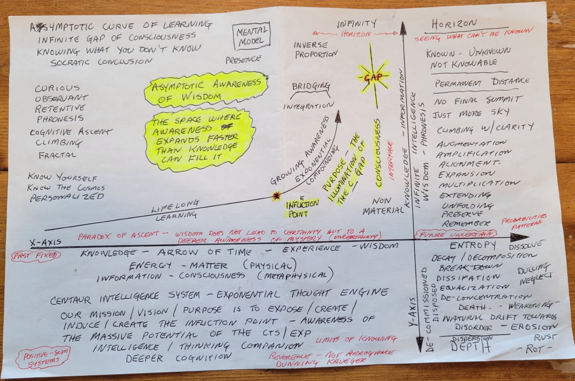
Note from Garry: I’m a visual learner. When I tackle a subject like the asymptotic curve of lifelong leaning and the gap of consciousness, I hand-print and sketch my thoughts onto an 8 by 17 sheet. I call this encapsulating. Here’s a shot of one of my worksheets working up to this post.

Dyingwords.net is powered by a Centaur System
Centaur Intelligence Systems Inc. Canada
Centaur Systems LLC Anguilla