Author Archives: Garry Rodgers

About Garry Rodgers

After three decades as a Royal Canadian Mounted Police homicide detective and British Columbia coroner, International Best Selling author and blogger Garry Rodgers has an expertise in death and the craft of writing on it. Now retired, he wants to provoke your thoughts about death and help authors give life to their words.

WHO REALLY KIDNAPPED AND KILLED CHARLES LINDBERGH’S CHILD?

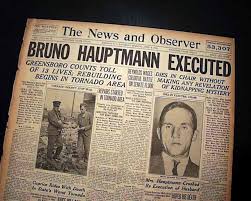
They call it The Crime of the Century—the 20th century that is. On March 1st in 1932, famed aviator Charles Lindbergh’s twenty-month-old son was brazenly snatched from his second-story nursery at the Lindbergh mansion outside Hopewell, New Jersey. The boy was found dead in nearby woods on May 12th. In 1934, Bruno Richard Hauptmann was charged, convicted, and executed in the electric chair for being the sole perpetrator of the crime. But was he?
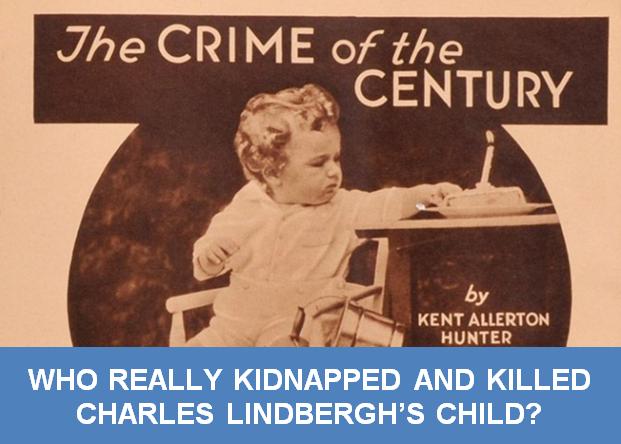
The “Little Lindy Case” is an armchair detective’s delight. It’s been one for nearly ninety years and shows no sign of going away. There are dissenting sides in the Bruno Hauptmann camp. Some say he was guilty as hell. Some say he was totally innocent—as he steadfastly proclaimed up to the moment they ran 10,000 volts through his head. And some say he had a part, for sure, but other co-conspirators were involved.

Hauptmann was caught red-handed with marked ransom money as well as being linked to the crime through indisputable physical evidence. There’s no denying this. However, there were no eyewitnesses or anything other than circumstantial factors that secured Hauptmann’s fate. He never confessed and proclaimed total innocence to the end.

Were there others who kidnapped and killed Charles Augustus Lindbergh Junior or “Little Lindy” as he was known? Let’s look at the case facts that have been so well presented and preserved over the years.

Charles Augustus Lindbergh Senior was nothing special before he burst into fame. Lindbergh was the first man to fly solo and non-stop from America to Europe in 1927. A relative once said, “If it weren’t for surviving that flight, he’d have ended up running a gas station in Minnesota.”

But the world was ready for a hero like Charles Lindbergh in the pre-depression days when heroes were rare and the markets were tanking. Lindbergh was a poster boy of bravado, daring, and handsomeness and that led him to money. He married millionaire socialite Anne Morrow in 1929 and they produced a son, Charles Jr. in 1930.

Charles and Anne Lindbergh relished privacy after being world-famous celebrities. They’d hobnobbed with presidents and royalty and business leaders and everyone in the ranks of entertainment, publishing, and charity. They needed a getaway and built a home in rural New Jersey which was far from the New York madness.

A nanny laid Little Lindy to rest in his crib at nine p.m. on the night of March 1, 1932. She returned for a check at ten and the toddler was gone. Charles Lindbergh was in the home at the time and he took over—finding a handwritten ransom note near the sill of the open window. It demanded $50,000 for the child’s safe return.
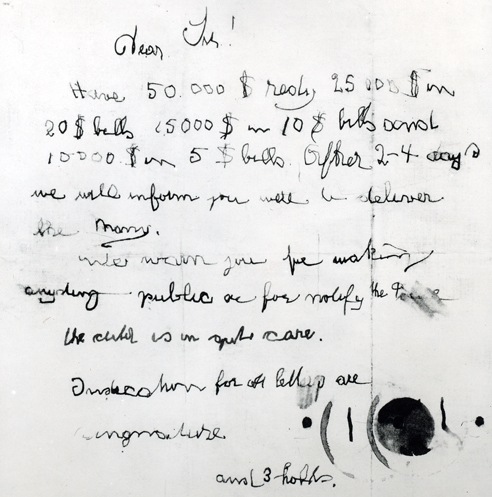
The local police contacted the New Jersey State Police for help. A search of an already-contaminated crime scene (caused by the Lindbergh family interference) found three clues later proving vital. First was the note that was handled by many. Second was a home-made wooden ladder with peculiar construction thought to be used by the perpetrator(s) to climb to the second-floor window for access. Third was a wood chisel found lying on the ground below the window.
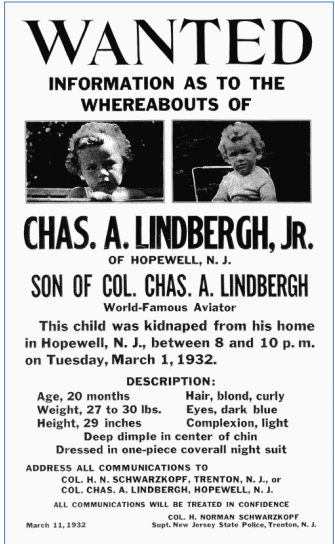
By the next day, the Lindbergh kidnapping news hit the wire and went world-wide. Masses of curiosity seekers plagued the mansion scene and any attempt to keep negotiations secret was shattered. Already, theories formed and frauds threatened to take a focused investigation into the gutter.

On March 5, Charles Lindbergh Sr. got a follow-up communication in the mail. It was also handwritten and obviously done by the first note’s hand. This led to an intermediator being appointed to negotiate with the note writer. A series of fifteen hand-written notes or communiques followed before the $50,000 in ransom was delivered to a shadowy man with a German accent in a dark New York cemetery.

Charles Lindbergh Jr.’s body was accidentally discovered on May 12, 1932. It was 75 feet off the road, 2 miles from the Lindbergh home. The remains were decomposed and consistent with death occurring at the same time of the abduction. An autopsy found a fractured skull, but the true cause of death couldn’t be established.

All law enforcement levels helped in the Lindbergh case. One was the Internal Revenue Service who devised a clever plan to mark the ransom money. They used a controlled amount of “Gold Currency Notes” that had individual serial numbers, therefore being identifiable to the Lindbergh case.

The genius of the “Gold Notes” is that the U.S. Treasury already planned to move off a gold-based currency system by 1933. This wasn’t public knowledge at the time of the ransom payment and the bills would be recognized as common tender. The IRS people knew, however, that these notes would soon be publicly recalled and note-holders would be required to cash them in or lose the value. That would force the ransom notes to be circulated instead of hoarded.

The plan worked.

Shortly after the payment, the IRS and the police distributed a serial number list of ransom Gold Currency notes to all banks in the New York and New Jersey area. Sporadically, marked bills showed up in the Bronx region but no pattern emerged. But once the Gold Note recall came, marked bills flooded the region.

In September 1934, a Bronx service station manager received a $10 Gold Currency note. He knew nothing of the trap, but he knew of the recall and protected himself against counterfeit by recording the passer’s car license number on the bill—New York marker 4U-13-41. The manager deposited the marked bill at his bank where an astute teller checked the serial number and found it was a Lindbergh bill.
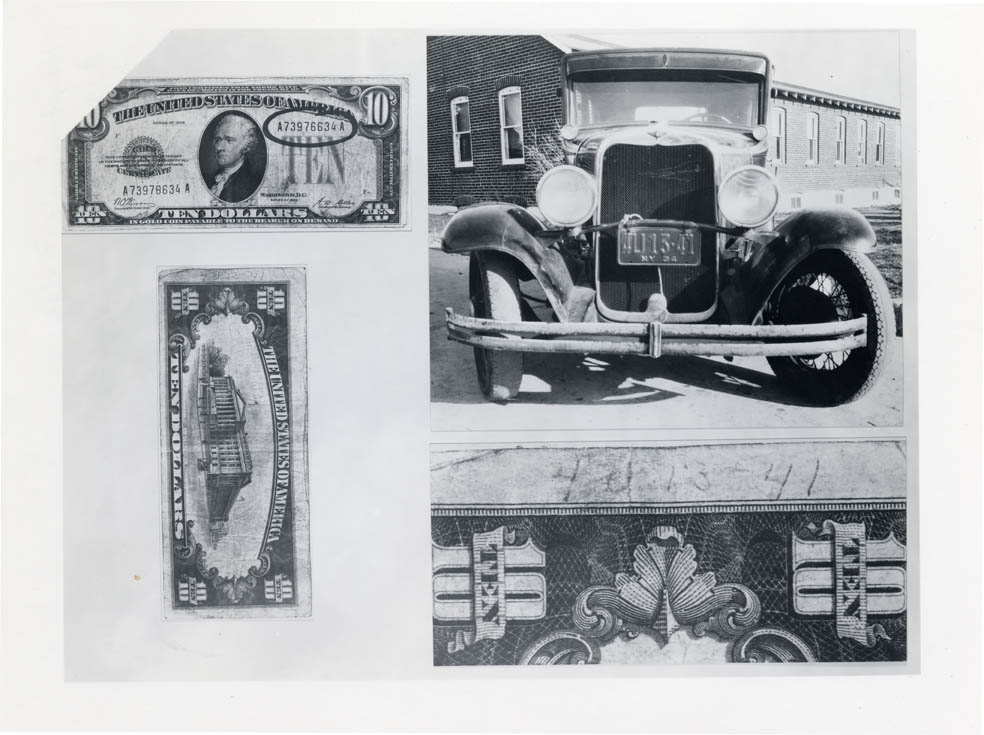
The police ran the plate. It came back to Bruno Richard Hauptmann of 1279 East 222 Street in the Bronx. They surveilled the place, arrested Hauptmann leaving home, and found another marked Gold Currency bill in his wallet. The search of his home found a lot, lot more.
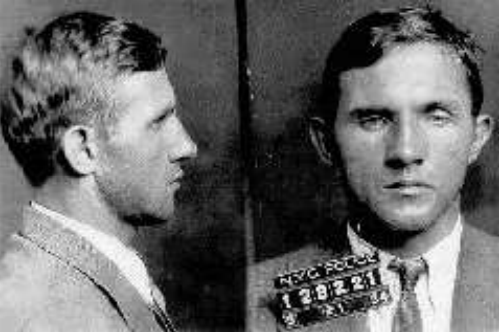
Bruno Hauptmann was a thirty-five-year-old illegal immigrant from Germany. He was once deported from the US because of his European criminal record—a loner and cat-burglar with an MO of using ladders to access second-story windows. Hauptmann also had a carpentry background with the skills and tools to make a wooden ladder.

The police searched Hauptmann’s premises. In his garage was over $13,000 of the marked ransom money cleverly rolled up and hidden inside specially-made wooden boxes. That included more Gold Currency notes as well as standard United States Treasury bills.

The police also found materials and tools consistent with building the wooden ladder found at the scene, a matching toolset to the scene wood chisel, and significant writing samples that linked Bruno Hauptmann to the fifteen notes written to the Lindberghs.

Bruno Hauptmann was tried before a New Jersey jury in 1935. It was the “Trial of the Century” by any standards and was a media circus. After weeks of evidence from hundreds of witnesses, the jury unanimously convicted Hauptmann of kidnapping and murdering Charles Lindberg Jr. in the first degree.
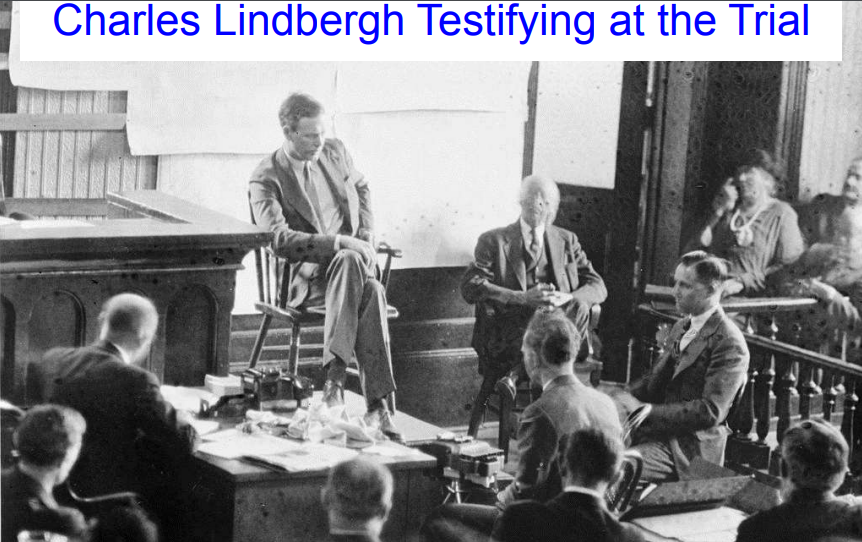
There were motions and appeals and short stays, but Bruno Hauptmann lost his life to Old Sparky on April 3, 1936. He never confessed or named accomplices. Till the switch was thrown, Hauptmann denied all involvement.

Despite what seemed like a clear-cut case, this muddied matter has had intense scrutiny since day one. It still has. There are online cults that would slit their wrists for a chance at post-death clemency for what they believe was a wrongful conviction and the execution of an innocent man.

Why do they believe that? It seems like despite the evidence and how fair the process, it’s simply impossible to convince some people of the truth when they already have a mindset to want the alternative. Here are the main evidence points in what led to Bruno Hauptmann’s conviction.

The Ransom Notes

The first note surfaced inside the room where Charles Lindbergh Jr. was abducted. It was hand-written in particular ink on particular paper. The writing was unique in that it was script with printed numerals and the signature was absolutely outstanding.

The note writer used a pattern of two colored and overlapping dots with three holes perforated through them. No doubt, this was foreplaning to identify the real kidnapper from copycats. This signature remained consistent through the subsequent fourteen more notes delivered to the Lindberghs.

Hauptmann’s known handwriting specimens matched the ransom notes. The best experts in the fields agreed on this. The defense, at trial, could not rebut this. Also, similar paper with matching tears was in his house as well as matching writing implements and the hole-punching tool. Bruno Hauptmann wrote those notes and there was no denial.

The Wooden Ladder

The homemade wooden ladder also sunk Bruno Hauptmann. It was found fifty feet from the abduction second-story window and it was unique. It was made, according to professional opinions, by someone with carpentry skills and was designed to be disassembled in three pieces so it could be transported in a passenger car.

A wood expert with impeccable credentials testified about the ladder at Hauptmann’s trial. He was able to trace wood components in the scene ladder to pieces Hauptmann had sourced at a lumber supplier Hauptmann had worked for as well as boards coming from the attic floor in Hauptmann’s house.
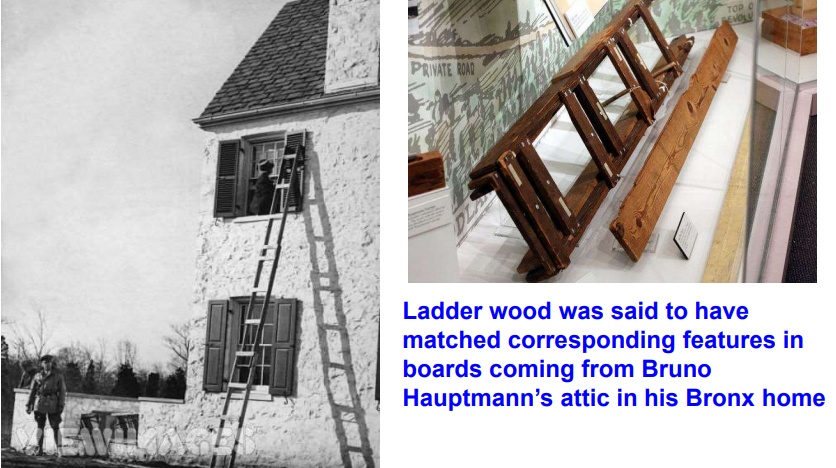
The expert physically matched what’s known as “Rung 16” to Hauptmann’s attic boards through wood grains, nail holes, knots, cuts, plane marks, and species. There was no question—in the expert’s or the jury members’ minds—that Bruno Hauptmann personally manufactured this ladder with materials and tools found at his home.

The Tools

The scene search at the Lindbergh residence found a wood chisel on the ground below the nursery window. It was a “Buck Brothers” brand with a ¾ inch cutting width. When the police searched Bruno Hauptmann’s garage/workshop, they found a matching set of “Buck Brothers” wood chisels. It was complete, except for the ¾ inch tool.
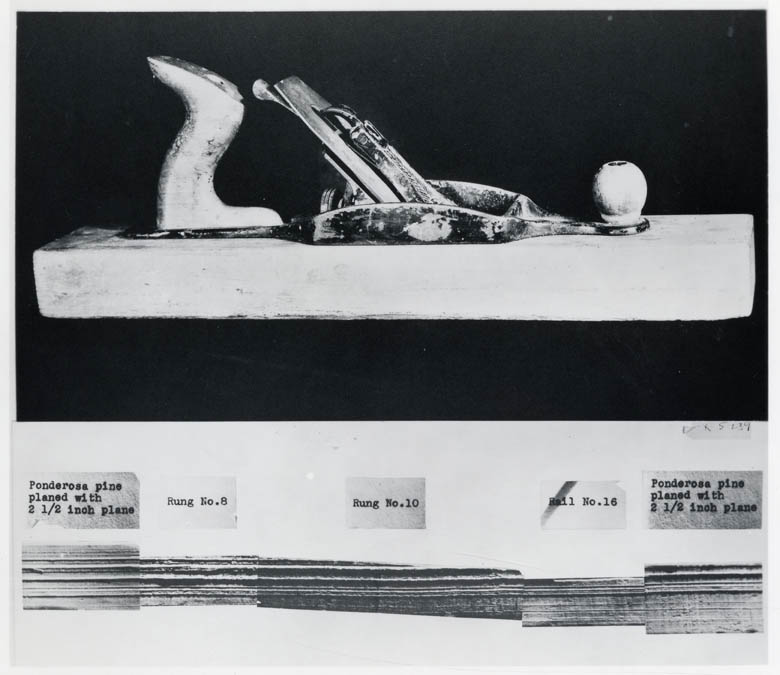
The police also found a wood planning tool in Hauptmann’s shop. It had a particular 2-degree bevel cutting edge with striations on the blade that physically matched the plane marks on ladder members. This was proven at the microscopic level and was a breakthrough in the courts accepting forensic toolmark evidence.

Furthering toolmark evidence, the investigation team also proved that a handsaw in Hauptmann’s tool kit cut and prepared sections of the homemade ladder. The saw kerf width, teeth settings, and stroke angle were consistent with cuts on the ladder’s members.

Then there were the nails. The nails in the scene ladder precisely matched a stock of nails found in Bruno Hauptmann’s garage. The size, shape, length, and materials were identical to what nails were in the Lindbergh ladder.

The Money

Without question, Bruno Hauptmann had the Lindbergh ransom money. And without question, no one else had a stash of it either. That’s because Hauptmann acted alone and there was no one else to share it with.

The forensic accountants did an amazing job for their time. This was before the computer and online banking days when transactions got recorded in ledgers and on carbon paper receipts. The banking sleuths followed the money and they sealed the case.
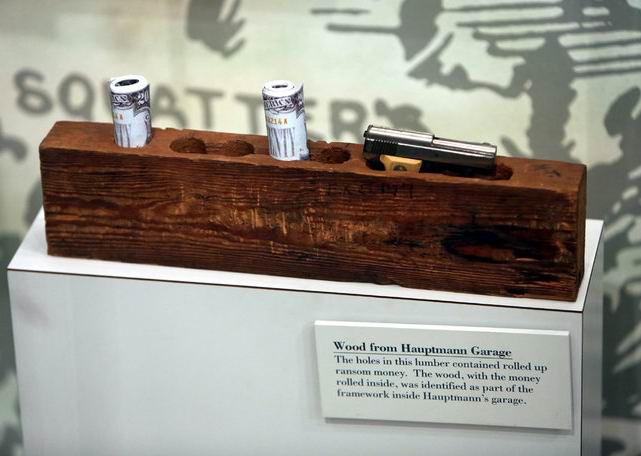
Bruno Hauptmann received $50,000 in various forms of United States negotiable currency. The forensic accounting team accounted for $49,986 of this going through Bruno Hauptmann’s hands. That was from cash-on-hand, bank deposits, transfers, withdrawals, purchase receipts, and stock market investments. The team estimated Hauptmann lost over half on bad investments.

Were Other Parties Involved in the Lindbergh Kidnapping and Killing?

The short answer is “No”. There’s not the slightest suggestion—based on evidence—that anyone else was involved in the Lindbergh plot. During Hauptmann’s trial, his lawyer Edward Reilly tried to build a smokescreen around Hauptmann being a participant rather than a killer. Reilly wasn’t the most effective barrister in the barn. His nickname was “Ed – Death House – Reilly” as he had a somewhat abysmal track-record of losing capital murder cases and sending his clients away.

No, there is no evidence of anyone co-conspiring with Bruno Hauptmann to kidnap and kill baby Lindbergh. That’s because non-events leave no evidence. It didn’t happen any other way than Bruno Hauptmann—acting alone—planned and carried out this heinous crime.

Why did he do it? Money. Pure and simple. He wanted the money and the prosecution did a marvelous job of painting Hauptmann from a pauper to a prince pre-and-post crime. He lived high off the hog for a few years after collecting the ransom, then he got piggishly careless and was caught.

How did he do it? This takes a bit of analogy. For one thing, this action of climbing to a secondary window in a high-profile mansion and stealing a child while the house is full of awake adults takes a lot of balls. Maybe a lot of stupidity, but no one anytime ever said Bruno Hauptmann was stupid.

There’s plenty of evidence that this crime was planned out far in advance. One of the ransom notes said it was planned for a year. The ladder-building—so planned that it was built in three sections so it could be disassembled and transported in a passenger car—to the ¾ inch chisel probably used to pry open the window implies planning. Then there was the child removal.
It makes no sense that a cat-burglar kidnapper would climb a rickety, three-piece home-made ladder and pry open a window to a nursery to abduct a live twenty-pound child and carefully carry him down by the same route. The most logical scenario is the perpetrator killed Little Lindy in his crib—probably by smothering or strangling— and tossed him out the window (accounting for the skull fracture), then descended to ground, picked up the deceased and took the little boy down the road where he dumped the toddler’s body in the bush.

There are details about the “Crime of the Century” that’ll never be known. But one thing’s for sure based on evidence and common sense. Bruno Richard Hauptmann really did kidnap and kill Charles Lindbergh’s child.


DO HEADHUNTING CANNIBALS STILL EXIST?

It’s a excruciating way to die. Imagine the panicked horror. Tearing through the jungle on a hot tropical island being chased by primitive men armed with sharpened stick spears, bows and arrows, and razor-edged bamboo knives. You’re viciously overpowered,  savagely beheaded as a manhood trophy, then your limbs are cruelly hacked and severed from your torso which is packed off and cooked over an earthen-pit fire to be ritualistically devoured in a secret stone-age ceremony.

This stuff was real. This business actually occurred some time in the past. The question is — do headhunting cannibals still exist?

I watched a National Geographic Special hosted by Piers Gibbon titled Search for the Cannibals of the South Pacific. The film crew traveled to remote parts of the region of Oceania in search of the answer. What they found was fascinating. That is, if you’re curious as to whether there still are active headhunters who consume human flesh.

To start, there’s a difference between headhunters and cannibals. Not all headhunters are cannibals and not all cannibals are headhunters. I’m sure you’re aware of relatively recent North American cannibal named Jeffrey Dahmer who serial-killed gay men and ate them. Dahmer was a bit of a one-off, though. What I’m referring to is an organized culture that endorses inter-tribal warfare where men battle other men and then behead them a prized proof of manhood.

But, it’s an entirely different level to go ahead and eat them.

There’s no question headhunting and cannibalism once existed in places like Papua New Guinea, Fiji, the Solomon Islands, and Indonesia. There are historic reports of the practice in The Philippines, Borneo, and Taiwan. Then, there are primitive tribes protected in the Amazon rain forest. Who knows what they did or they do.

A very famous victim of headhunters and cannibals was Michael Rockefeller. Yes, the son of New York Governor and United States Vice president Nelson Rockefeller (also grandson of financier J.D. Rockefeller). In 1961, this entitled and arrogant young fellow thought it was a good idea to check out the natives in West Papua and see if he could collect (steal) some of their art for his museum.

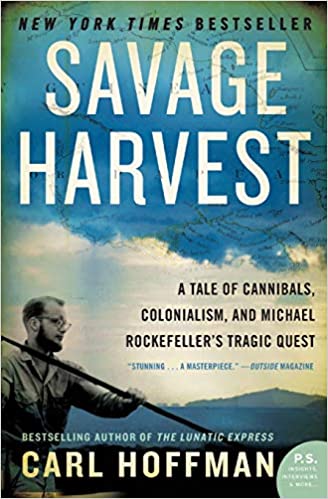
That didn’t turn out so well for Rockefeller III. Here’s an account from the book Savage Harvest: A Tale of Cannibals, Colonialism, and Michael Rockefeller’s Tragic Quest by Carl Hoffman on what demise fell upon the poor soul:

One of the tribesmen drove a spear into Michael Rockefeller’s ribs as the young man was swimming for his life. After being beheaded, his head was scalped, cut across the face from the root of the nose to the nape of his neck. His ribs were broken with an ax, his sternum ripped out, his arms and legs cut off, and entrails pulled out. Some of them were eaten straight away. The others cooked individually. A big feast for the tribe started with chanting. Then the tribesmen had sex with each other, shared their wives, and drank their urine. Afterward, they spread Michael’s blood all over their bodies and danced wildly like possessed.  

No, thank you.

I’m sure there’s a psychology behind taking heads and cooking humans. From what I’ve read while researching this piece is that, historically, these acts came down to animism. That’s the belief that everything has a soul or spiritual power. It seems the act of beheading a foe is to take the power stored in that being and transferring to one’s self.

And, I’m certain that ritualistic cannibalism wasn’t necessary for subsistence. You probably heard the story of the Andes aircraft crash where survivors resorted to cannibalism so they could stay alive. No, ritualistic cannibalism wasn’t about protein fulfillment. It, too, must have been some sort of power trip.

Part of my brief research into this not-for-all topic was finding an article titled Fiji: Still the Cannibal Island. It was written in 2014 by Tanja Laden who purports to have interviewed a modern-day cannibal on the island of Taveuni. Here’s an excerpt:

Rapuga and I sat down to discuss how cannibalism first became a ritualized practice in Fiji when European settlers arrived in the 19th century. He told me Fijians would eat people from other “races” to protect their property and as a form of revenge. When hunting down and eating their enemies, locals used a stone ax (matau vatu) and a spear (moto), along with an eye-gauger (totokia) and a sea (pronounced say-ah), which was like a brain-smasher. Then they’d eat their victims with a special cannibal fork called an ai cula ni bokola.

After Fijians killed their enemy, they’d drink the blood in order to become more powerful, because, as Rapuga noted, “the blood runs through the entire body.” The corpse would then be divided into portions, with the chief eating the heart and brain because everyone believed he’d literally “absorb” his enemy’s knowledge and courage. Next, a village priest would perform a ritual to one of the gods and the tribe would gather for a big celebration under the moonlight, dancing with their spears around a bonfire while the feast was cooking.

I asked Rapuga how humans tasted, and whether cannibals would serve the meat with any side dishes like vegetables. He said humans tasted like pork but sweeter, and that they’d cook the meat in an earth oven and serve it with breadfruit and yams.

Whether it’s true or not, I don’t know. But, it makes for an interesting story. It also jives with conclusions on the National Geographic Special.

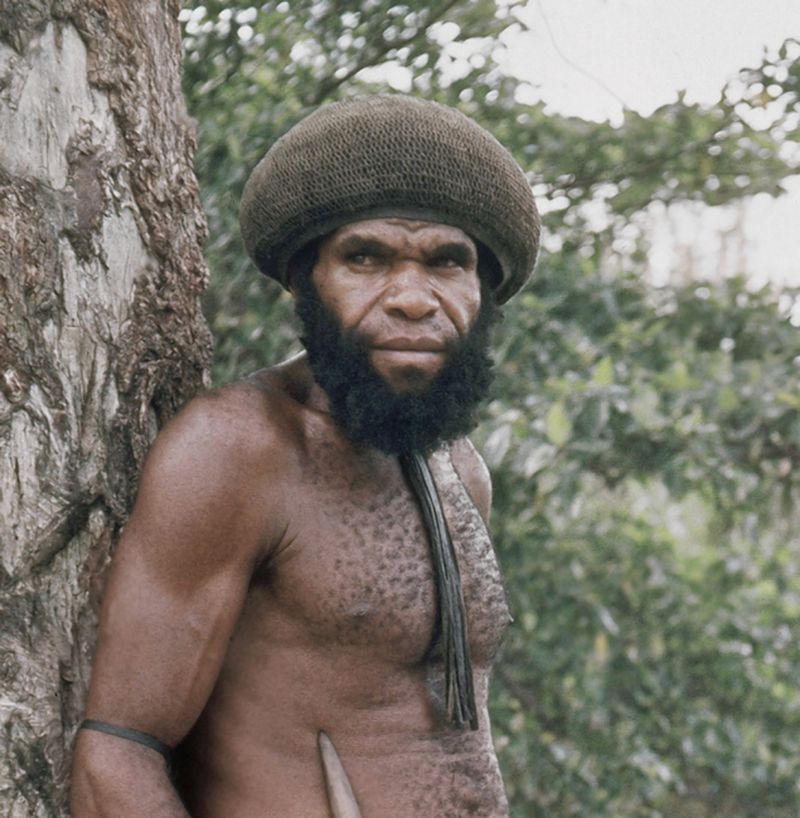
So, if headhunters and cannibals still exist, who are the usual suspects? There’s a lot of information on the net that I tapped into. This material is not from personal experience, and I had no intention of making a field trip to find out. Here is another excerpt. It’s from from The Last Cannibals (5 Tribes With Dreadful Headhunting History) which sums up the situation far better than what I can write:

DANI TRIBE — “THE DEAD BIRDS”

The Central Highlands of West Papua is home to the Dani people who had been waiting a long time to be discovered. They live in so-called “honai honai”, tiny mushroom-shaped huts made out of thatch and reeds and they are hunters. Men spend most of the time preparing primitive weapons, hunting and treating resulting injuries while women look after the youngsters, grow sweet potatoes and tobacco.

Like most of the ethnic groups in New Guinea, Dani tribe lives in its own world full of odd rites and rituals. A big part of funeral ceremonies is finger amputation of the female members for each death in a family or multiple pig slaughtering during celebrations to show the success of the community. Pig feasts and cooking rituals are a big part of every important event when several pigs are killed using a bow and arrow, portioned, wrapped in a banana leaf, and traditionally cooked in the earth oven together with potatoes and cassava.

Small-scale warfare between villages is integral to traditional Dani culture. The emphasis in battle is to insult the enemy and wound or kill token victims, as opposed to capturing territory or property or vanquishing the enemy village. Afterward, their remains are kept for a big feast, weapons are decorated with the ornaments made out of the victim`s body and trophies such as the skull, bones, and hair are displayed in the most respected part of the village.

YALI TRIBE — “THE DWARF WARRIORS”

Sharing the territory of Baliem Valley with Dani people, less-visited Yali subgroup, only discovered in the early 60s, is known as a “tribe of dwarfs” due to their short height (150 cm on average). The access to these villages is somehow limited, not only because of their altitude of about 2,500 m but also the fact that the only way how to reach these settlements is a several-day trek through thick vegetation and rugged, steep mountains of Jayawijaya.

Similarly to the Dani tribe, the Yali walk around rather naked, men solely protect the most important part – their penis, using a tube-like gourd, called “koteka”, and topless women only wearing a skirt made out of grass and other natural material. Pigs are considered to bring wealth and they are only eaten on special occasions.  It is quite a spectacle to see the indigenous women cuddling the snorting animals before they kill them and steam the meat on hot rocks.

The Yali were also ill-famed hunters and reputed cannibals, once used to eat the flesh and brain of their enemies while still warm, grind the bones to dust and throw it into the deep valley to prevent them from returning.  The region is so remote and inaccessible that even the neighboring ethnic groups rarely used to get in contact with each other. That resulted in a different development of each individual language, so the minorities of this territory often do not even understand each other.

ASMAT TRIBE — “THE HEADHUNTERS”

The tidal swampland of West Papua`s southern coast is some of the least accessible parts of the world. This is the domain of the Asmat tribe famous for their spectacular wood carvings, considered to be among the world’s finest, but more importantly for being the legendary Head Hunters.

Once, in the time of war, they ate brains of their enemies mixed with sago worms – that all served on the halved skull. Afterward, they cleaned it and used it as a pillow to evoke respect and fear. They did not kill for food or not even the skull as a trophy but they worshipped the skull as a sacred object and it was believed to have special powers.

After the skull was stripped of the soft parts, e.g. brain, eyes, and skin the nasal nostrils were closed to prevent the evil spirits to enter the household were the decorated skulls were displayed. The Asmat warriors and their children would inhabit the names of enemies they had killed.

KOROWAI TRIBE — “THE TREE PEOPLE”

The Korowai are neighbors of the Asmat, occupying the inland territory of Yaniruma, near Senga and Dairam rivers. These tribes live in the tree houses built up to 30-50 m above the ground, in the rainforest clearings of the deep southern jungles.

This ethnic group is to be one of the most isolated ones and believed to continue practicing rites related to cannibalism still today. The difficult access did not allow the missionaries during the Dutch colonial period to come to these areas so they could civilize the Korowai people. Those few who made it to the outlying villages were eaten or driven away.

The Korowai are quite a fascinating subgroup and they are often called “Bedouins of Jungle” for their continuous moving from place to place in order to find food and hunt for crocodiles. They build and move their treehouses on a regular basis which makes very hard for scientists to study them. Except for a nutshell covering their penises men do not wear clothes. Women only use a basic skirt made out of sago leaves.

KOMBAI TRIBE — “THE ENDO-CANNIBALS”

The Kombai tribe is another “tree” community building their homes high in the canopy. They live in clans along the Buzza River. The closest relatives to the Korowai, they have a very similar cultural background. Men wear a hornbill head instead of the gourd and a bird beak used as a protection for their genitals. Women are traditionally in charge of making sago – the starch obtained from the sago palm tree. Pigs serve as a currency and they are sacred animals that get only sacrificed on a special occasion and cooked on the traditional earth-oven.

The people of Kombai still strictly hold on their ancient animist beliefs. Leadership structures are based on the quality of a strong man – and that has to be proven by their hunting skills. The Kombai used to kill their enemies for their organs and blood which were eaten and the bodies were stuffed with leaves and grass.

The Kombai  are associated with endo-cannibalism – a ritual cannibalism within the same community. In the belief of gaining some of the qualities of the beloved person, family members would kill and eat internal organs and drink the blood of their own relatives. Totemism, black magic, witchcraft, and sorcery are an important part of their cultural heritage.

*   *   *

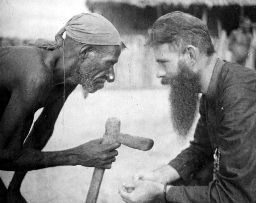
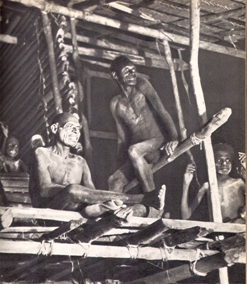
Although these five Oceanic tribes do exist and walk among us, I couldn’t find any proof that they still practice headhunting and cannibalism today. Even National Geographic couldn’t make that finding. However, the practice was certainly active in 1951 when Doctor Willem Vesser traveled with Papuan New Guinea people and witnessed firsthand what went on in their world. Here’s an excerpt from a paper titled Headhunting on the South Coast by Dr. Vesser with actual photos from the paper:

The Papuan is still a traditional savage, a cannibal who headhunts and lives in constant fear. Fear of their own kind and fear of evil spirits. An individual cannot be sure of his life from one moment to the next and there are all sorts of primitive rituals to ward off the unknown. 

A head-hunting trip is usually a cowardly attack. The enemy village is surrounded at night.  All possible escape routes are cut off, and around sunrise it is time to attack. Bamboo trumpets wake the victims who are initially paralyzed with fear and who then take off in an attempt to find shelter. But mostly they end up running straight into the head hunters’ lair. Especially the women and children are easy victims. The captives are killed off brutally. And then the ritual slaughter commences. The muscles and tendons of the neck are cut through with a bamboo knife. The spine is rotated and crunched. The torso is cut open on each side. After removing the intestines, the arms and legs are severed and loaded onto the prauwen (canoes).

The women await in the village. From afar, they can ascertain that the trip has been a success. The meat is roasted and eaten. A hole is made in the skull with a special chisel and both the brains and the jaws are removed. The tongue is also roasted and eaten. There is drumming and dancing, the party continues until sunrise. The monotonous singing can be heard far and wide. Nightfall in the jungle closes in on the dancing barbarians. The song of chirping crickets reaches a crescendo and merges with the drone of male voices: A primeval melody from the Stone Age.

All this sounds very savage, indeed. I have no doubt that Dr. Vesser’s account is true and that this actually happened seventy years ago. But, what about today? In 2020? Do headhunting cannibals still exist?

National Geographic’s conclusion was yes and no. They located and interviewed elders who claimed to have participated in these rituals back in their youth. They admitted to severing heads and eating human remains. But, the elders said this no longer takes place.

That makes sense. It also makes it much safer, now, in traveling to exotic places like the jungles of New Guinea, Fiji, Borneo, and the Solomon Islands. Let me know how you make out if you go.

HAS MADELEINE MCCANN’S MURDERER FINALLY BEEN CAUGHT?

On May 3rd, 2007 three-year-old Madeleine (Maddy) McCann disappeared from her family’s holiday apartment in Portugal. Her body has never been found, and all information suggests the British toddler was abducted and murdered. The McCann missing persons case became one of the highest-profile criminal investigations of all time. Now, German police have a man in custody who they believe is the killer. In fact, they say they have irrefutable evidence.

The suspect has not yet been charged with Maddy McCann’s murder. That requires evidence that’s admissible under Portuguese Law—Portugal being the country where the crime took place and the authority having jurisdiction to prosecute the case. Before looking at who the suspect is and what evidence connects him to the crime, let’s review the facts of this tragic case.

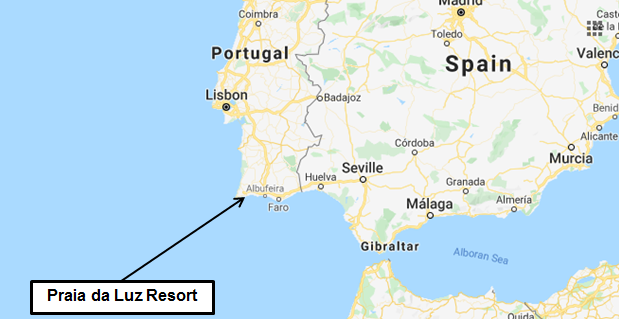
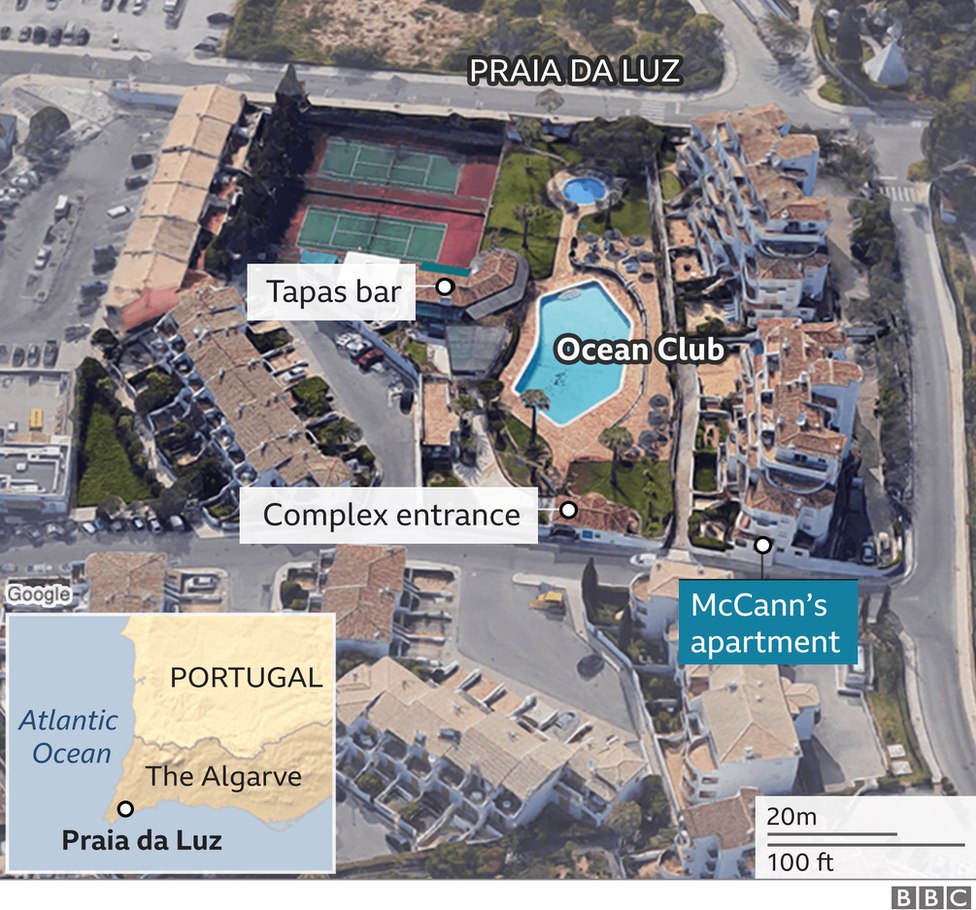
Madeleine’s parents, Kate and Gerry McCann, took their three children on a week-long vacation to a holiday resort at Praia da Luz in the Algarve recreational region of southern Portugal. Here, they rented a two-bedroom villa or apartment which had a ground floor, courtyard entrance. With Maddy and her parents were the other McCann children, a pair of two-year-old twins. The McCann family was also with a group of friends from the UK. In total, there were seven adults and eight children.

During the week, the adults of the group would have late-evening dinners after the small children were put to bed. They took turns of periodic checks on the sleeping kids until they returned from the courtyard’s outdoor tapas dining area which was 160 feet or 55 meters from the McCann apartment. For the first few nights, everything was fine and there was no reason for anyone to be concerned about the children’s safety.

At 10:00 pm, Kate McCann took her turn to check on the children. She discovered the courtyard door was open when it should have been shut. Kate went inside and into the bedroom where Maddy and the twins slept. The twins were fine, but Maddy was gone.

Kate McCann frantically searched the small apartment that consisted of a combined living/dining/kitchen area and a separate bedroom that the adults used. Maddy was nowhere to be found. Kate rushed to the door and screamed across the courtyard that her little girl was missing.

The group of friends began searching the immediate area and other apartments. The resort staff, including their security detail, combed the complex. Not a trace of Madeleine McCann showed up. It was after 11:00 pm when they notified the local police.

The local officers searched throughout the night. At 2:00 am, they brought in two patrol dogs and by 8:00 am four more search and rescue dogs arrived. The search expanded outside of the resort complex to take in local streets, alleys, buildings, and the beach along the waterfront. Absolutely no trace of Madeleine McCann was found.

Hindsight being what it is, the local police did not treat the McCann’s apartment as a crime scene. That occurred the next day when a higher authority from Portimao took over the investigation. The “golden hours” immediately following the abduction were lost. It was nearly a day later when Maddy’s description was broadcast, roadblocks established, and a proper scene examination was done.

Two witnesses surfaced who reported seeing a man carrying a little girl near the complex around 10:00 pm on May 3rd. This has been widely reported over the years and both sightings (known as the Tanner and Smith sightings) seem conclusively ruled out or eliminated. However, they did create an avenue of focus by the Portuguese police that became narrow-minded and off-track.

The Madeleine McCann case became an instant media frenzy. It’s best described as a circus and it occurred just when social media platforms took off. The British Tabloids fueled the flames of speculation which were carried around the world by emerging SM sites like MSN and a thing called Facebook.

It wasn’t long before the McCann parents became prime suspects. There wasn’t a lick of evidence to support that suspicion and no logical reason why they would harm their daughter. Although it was absurd, the Portuguese police applied arguido status to Kate and Gerry McCann and implicated that they had done something to harm Maddy by accident and were conspiring to cover it up.

This baseless accusation escalated quickly. The renowned British agency, Scotland Yard, commenced their investigation into Madeleine McCann’s disappearance. Their common-sense approach relieved the heat on the McCann family and influenced the authorities in Portugal to drop the arguido rule.

However, the damage was done. The family’s reputation suffered immensely, especially after the lead investigator on the Portuguese side published a book accusing Maddy’s parents of this heinous crime. That ended in a lengthy lawsuit and served no purpose in finding out what really happened to Madeleine McCann.

*   *   *

In June 2020, the public prosecutor in Braunschweig, Germany ordered an inquiry into the McCann abduction and murder. The prosecutor said what all credible people involved in the investigation believed—Maddy was dead and had been killed shortly after she was snatched by a pedophile sex offender. The German authorities had someone in mind, and that someone was already in their custody.

The current and prime suspect for murdering Madeleine McCann is 43-year-old Christian Brückner. He is serving a seven-year sentence for rape at a German prison and has been previously convicted of sex crimes on children. It seems, however, that Christian Brückner has been on the police radar for Maddy’s murder for the past seven years.

The German authorities state Brückner was near the crime scene on the night Madeleine McCann vanished. He was living in a Volkswagen van on the beach below the resort and was well-known to certain resort staff. Allegedly, Christian Brückner left the area when the search started and sold his passenger vehicle, a Jaguar, to another party who re-registered it the following day.

It seems the police theory is that Brückner was somehow assisted by a resort staff member. It’s not clear from released information if that was to help him burglarize the apartment(s) or specifically for a sexually-deviant purpose. At the heart of this is a phone record connection between Christian Brückner and the unnamed staff member that took place shortly before Maddy’s abduction.

Has Madeleine McCann’s murderer finally been caught? He may have been caught and in jail on other matters, but he hasn’t been charged or convicted of this offense yet. Although the German police publicly claim they have “irrefutable” evidence, they haven’t disclosed what it is. That, possibly, is because it’s not legally admissible evidence.

Experienced homicide investigators know that solving a murder depends on four factors:

1. There is physical evidence left at the crime scene that links the perpetrator.

2. The perpetrator took something from the scene that links them to the crime.

3. Someone saw the perpetrator at or near the scene when the crime occurred.

4. The perpetrator admits to committing the crime by confessing or otherwise.

In the Madeleine McCann case, there doesn’t appear to be any physical or forensic evidence in the apartment or anywhere in the vicinity that identifies who abducted this innocent little girl. There may have been some trace evidence like fingerprints, footwear impressions, or DNA material deposited but it’s too late for that. That investigation avenue is closed.

The perpetrator certainly did take something from the scene. That was Maddy. However, her body has never been discovered, and where she is only the killer likely knows. So far, he hasn’t said anything or her remains would have been located.

There are no known eyewitnesses to seeing Maddy being snatched. The two famous sightings are not credible evidence. In fact, neither witness ever said they could identify the man they say was carrying a little girl.

If Christian Brückner is Maddy’s murderer, will he confess? That’s anyone’s guess, and it’s certain that skilled interrogators have taken a run at him. Time might tell.

But, there’s two possibilities that might break the case open. That’s if Christian Brückner was working with an accomplice—then that person may agree to cooperate and testify as to the truth about what really happened. Or, if the “irrefutable” evidence leads them to what’s left of Maddy’s remains.

If so, maybe Madeleine McCann’s murderer has finally been caught.