Author Archives: Garry Rodgers

About Garry Rodgers

After three decades as a Royal Canadian Mounted Police homicide detective and British Columbia coroner, International Best Selling author and blogger Garry Rodgers has an expertise in death and the craft of writing on it. Now retired, he wants to provoke your thoughts about death and help authors give life to their words.

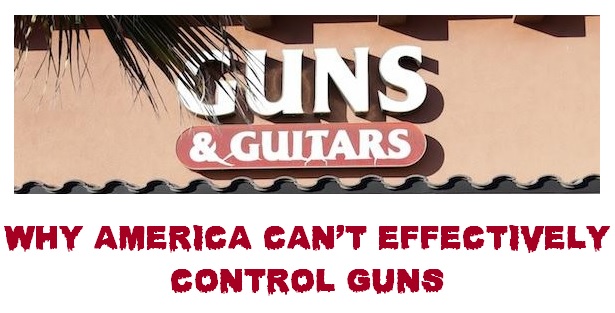
WHY AMERICA CAN’T EFFECTIVELY CONTROL GUNS

Every socially interconnected person in the world watches news reports of mass shootings in the United States of America. Most horrific are school student slayings where innocent kids are slaughtered by bullet volleys from automatic assault rifles. Then, there are multitudes of single gun-related murders, suicides and accidents. This rarely happens in other civilized counties where effective gun control prevents these tragedies from happening.
The key word is “effective”, as many individual American states do have gun control measures that reduce firearm access—especially to juvenile, criminal and mentally unstable individuals. But, the sad reality is that obtaining firearms and ammunition is far too easy in some of the states. It’s extremely difficult to effectively control guns at the federal level in America for historical and political reasons. There are also restrictions on studying the issue, so solutions can be formulated based on facts and information, rather than raw emotion.

Some American citizens are armed to the teeth, and they have no intention of infringing their constitutional right to keep and bear arms. Not all Americans, by any means, but foreigners wonder why these few fanatics have this fascination with firearms. It’s like a love affair with their guns. To shed light on the American gun control issue, retired East Providence, Rhode Island police captain and author, Joe Broadmeadow, shares his thoughts and gives a brief history of America’s obsessive gun culture.

America’s Love Affair with Guns — A Brief History by Joe Broadmeadow

We can trace the genesis of the “American” gun culture back to the western expansion of the original colonies after the Revolutionary War. In crafting the Constitution, fear of a strong government backed by a standing army under the control of a monarch guided much of the design behind the American Government. Each of the three branches, Executive, Judicial and Legislative sharing power, is a check and balance against absolute centralized power.
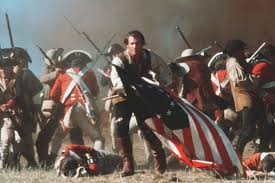
One of the most influential groups, the Scots/Irish, contributed much of the fighting force of the Continental Army and carried with them a long-imbued loathing of English royal tyranny. These backwoodsmen’s guerilla tactics served as an equalizer to the overwhelming British numbers. So successful were the tactics that Ho Chi Minh studied and adapted them in the American War in Vietnam.

These Scots/Irish hated the English, hated government intrusion, and would die rather than yield. These rugged, independent colonists led the way west. Their resistance to governmental authority manifested itself in the language of the Constitution, an accommodation to these sentiments by the Virginia and New England aristocracy crafting the document.

A Well Regulated Militia

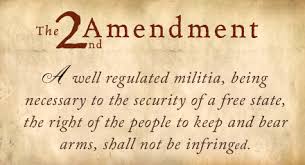
The famous Second Amendment—with its confusing wording—sought to lessen this fear when those forming the new government never envisioned the need for a standing army. They believed the separation of the Americas from Europe by the Atlantic Ocean served as deterrent enough. However, should the need arise, the states’ militias could be called to defend the country. Otherwise, they saw no harm in leaving military organization—the militia—to the control of the states.
The rifle, the primary weapon of defense and hunting, served as the instrument of the westward expansion. Pioneers used their firepower to provision their larder, and to attack and destroy the Native American populations who resisted this intrusion onto their traditional land. The image of the brave pioneer—bearing a musket rifle, powder horn and lead ball—became a fundamental part of the American psyche.

As the technology of weaponry improved, the killing became more efficient. Euro-Americans hunted the bison and Native Americans to near extinction.

Unlike other nations which grew through similar expansion—Canada, Australia, Japan, etc.—the American gun culture never outgrew its necessity or purpose in the United States. It continued into the modern world of 20th and 21st century America.

The Wild West Disappeared — The Spirit of the Wild West Never Did.
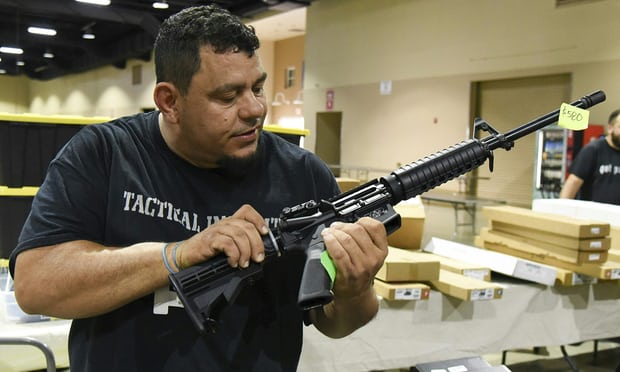
Weapon technology—driven by the Civil War and the growing American hegemony in the World Wars of the 20th century—kept improving. Improvement in firing rates and killing ability grew exponentially. In our intervention in Vietnam, we were the world power imposing our will on a peasantry through superior weaponry and overwhelming firepower. The M-16 rifle, developed and deployed during the Vietnam War, gave rise to its civilian cousin—the AR-15—the weapon of choice used in so many of the mass shootings.

The Wild West disappeared, but the spirit of the Wild West never did. The American gun culture clung to these new weapons with the same enthusiasm as if still facing Indian raiding parties or starvation from failed hunting expeditions. Our unique fascination—almost to the point of irrationality—with possessing firearms prevails to this day, despite the dubious claims of necessity.

The United States Constitution’s Second Amendment

The language of the Second Amendment lends itself to a broad spectrum of interpretation. A strict absolutism mentality says the government can impose no restrictions on private ownership of firearms. But, a more literal reading interprets the second amendment to mean that firearms can be kept solely to support a “well-regulated” militia.

The courts have given little guidance which settles the matter consistently. Instead, it is a dog’s breakfast of conflicting and convoluted decisions and language. While the court upholds the government ban on private ownership of automatic weapons, sound suppressors or short-barreled shotguns, there are exceptions. The court often declines cases that offer the opportunity for more specific findings.
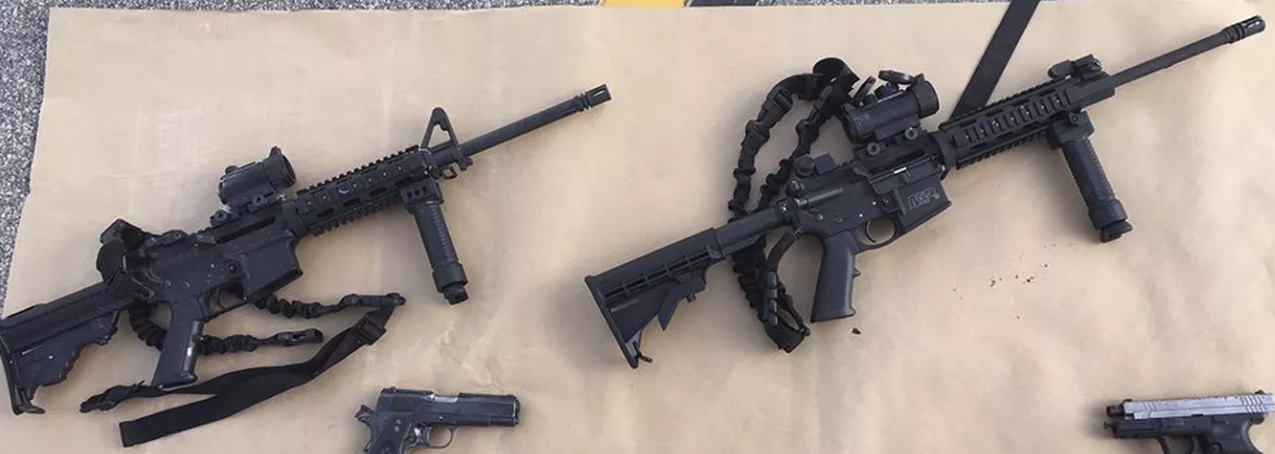
Much of the case law makes no distinction between a small caliber handgun with limited round capacity and slow reloading speed to a semi-automatic, high capacity, rapid firing, shoulder weapon with hyper-velocity rounds specifically designed to cause maximum damage to humans.

In US Supreme Court, District of Columbia v. Heller, the court struck down a District of Columbia statute restricting handgun possession citing 2nd Amendment violations. The case did not garner a unanimous vote.

Justice Breyer (a Republican appointee) joined by Justices Stevens, Souter and Ginsburg, wrote a dissent which spells out the conditions under which government might place constitutional restrictions on possession of firearms. Breyer’s dissent said the Second Amendment protects “militia” related matters, and that the realities of the 18th century made it necessary for civilians to keep firearms within their households.

Interpreting the U.S. Supreme Court Heller Decision

This interpretation does not prohibit the potential for using these weapons for self-defense purposes, but the amendment permitted this as it related to the protected militia functionality. There has not been a case with sufficient similarity granted certiorari before the court since, so the matter remains clouded even as the decision stands.

The argument most often raised by gun proponents is the protection of the people from the tyranny of government. This fails in several legal ways and one practical one. First, the separation of powers places controls over the power of the President to use military force without Congressional authority. The Posse Comitatus Act expressly prohibits the use of the military for civilian law enforcement except in times of rebellion.

To circumvent these restrictions, the three co-equal elements of government would need to cooperate in an unprecedented manner. That’s highly unlikely to happen. And that’s why America can’t effectively control guns.

From a purely practical perspective, 18th and 19th century Americans had comparable weapons to those in use by the military. That changed in the 20th century. The reality is, regardless of the number of armed civilians, the chances of withstanding a direct, sustained attack by the US military is nil. The once dreaded “standing army” is not only standing, it is the most powerful military force in history. The Second Amendment was never intended to withstand a “standing” army with tactical nuclear weapons.

Guns in Private Hands for the Purpose of Personal and Public Protection

School shootings—or any mass casualty incident involving firearms—draw the most attention, but they constitute a small percentage of the death toll from guns.  Suicides, criminal homicides and accidental shootings account for the overwhelming percentage of firearm-related deaths.

Often, opponents of gun control segregate these numbers, discounting suicides and accidental shootings as not germane to the discussion. They portray criminal homicides as solely attributable to those with a criminal record. It is simplistic and distorts the problem.
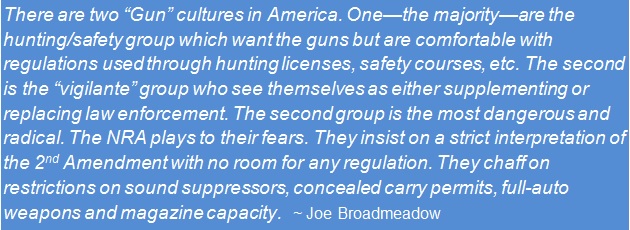
Another argument is to point to the murder rate in cities like Chicago with stringent gun laws and strong restrictions on issuing concealed carry permits. Again, this is a disingenuous argument. Chicago is a short drive to Indiana where gun laws are much less restrictive. A report by the FBI and the Chicago Police Department show most guns used in Chicago come from outside the city.

The problem lies in the complexity of the solution. One side sees eliminating all guns as a solution. The other sees more weapons in the hands of civilians as the solution.

Both are Wrong

The fundamental problem in crafting a practical solution is we have no in-depth, well-designed, peer-reviewed studies of the health risk of weapons. We have only anecdotal evidence—skewed by supporters and opponents—on the effectiveness of firearms as a means of self-protection. We have no clinical study of the related health risk of gun ownership. We have no data on the track of weapons in private commerce.

We need to evaluate the effect of single-parent—usually absent father—households on increasing risk factors for anti-social behavior in a clinical and reasoned manner. The commonality of a problematic childhood shared by school shooters is striking. It clamors for intense study.

We need to face the fact of our revolving door prison system, and the abrogation of government responsibility through the increasing use of private prisons. The self-fulfilling prophecy of prisons creating better criminals to keep the prisons full is a natural result of such a for-profit corrections system. Like sowing seeds for future crops, prison without rehabilitation is doomed to failing its primary purpose.
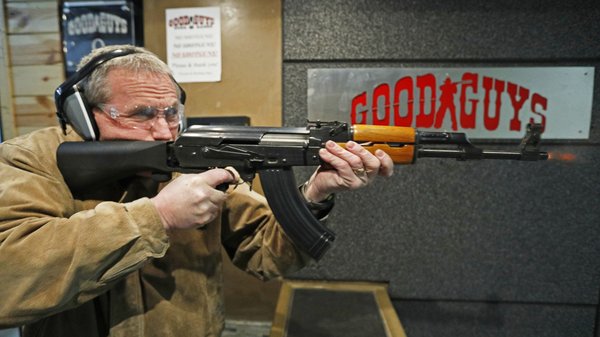
Efforts to prevent future Columbine, Sandy Hook, Parkland and Santa Fe incidents are hampered because we are blind, deaf and dumb. Our laws prevent the CDC, the ATF or the FBI from doing any meaningful tracking of firearms or their overall effect on security and health.

Therein Lays the First Step

To effectively control guns in America, we must remove the restrictions on studying the issue so we can formulate solutions based on facts and information rather than raw emotion. Until we have the facts about the efficacy of guns as an option for personal protection—or the net risk to the public from such policies—we cannot formulate rational solutions. Absent a concerted effort to study the problem dispassionately, we can never arrive at an effective, constitutionally-sound solution.

Until that happens, we are doomed to repeat history.

*   *   *

Thanks to retired East Providence, Rhode Island police captain and author, Joe Broadmeadow, for this rational, insightful and informative view of why America can’t effectively control guns.

Joe Broadmeadow retired with the rank of Captain from the East Providence, Rhode Island Police Department after twenty years. Assigned to various divisions within the department including Commander of Investigative Services, he also worked in the Organized Crime Drug Enforcement Task Force and on special assignment to the FBI Drug Task Force.
Collision Course and Silenced Justice, Joe’s first two novels, are from the highly-acclaimed Josh Williams series. Joe’s third mystery thriller, A Change of Hate, features one of the most popular characters from the first novels, Harrison “Hawk” Bennett, former special forces Green Beret and legendary criminal defense lawyer in a taut legal drama. The books continue to garner rave reviews, and are available on Amazon and Barnes & Noble in print, Kindle, and audio format.

Besides crime novels, Joe is developing a YA Fiction series. The first, Saving the Last Dragon, is available in Kindle, print, and audio versions. The next book, Raising the Last Dragon, is in development.

Joe also writes for two blogs, The Writing of Joe Broadmeadow (www.joebroadmeadowblog.com) and The Heretic and the Holy Man (www.thehereticandtheholyman.wordpress.com)

When Joe is not writing, he is hiking or fishing (and thinking about writing). Joe completed a 2,185-mile thru-hike of the Appalachian Trail in September 2014. After completing the trail, Joe published a short story, Spirit of the Trail, available on Amazon.com in Kindle format.

Joe Broadmeadow lives in Lincoln, RI with his wife Susan. You can connect with Joe at:
http://joebroadmeadowblog.wordpress.com

http://www.amazon.com/Joe-Broadmeadow/e/B00OWPE9GU

https://twitter.com/JBroadmeadow

WAS ALBERT DESALVO REALLY THE BOSTON STRANGLER?

The Boston Strangler was America’s first modern serial killer case. From June 1962 until January 1964, someone terrorized the Greater Boston area of Massachusetts with thirteen sexually-motivated murders. Single women of all ages were raped, sexually brutalized and killed inside their apartments. Apparently, they voluntarily let their killer in.

The slaying string suddenly stopped. No one was apprehended, charged or convicted. Today, the Boston Strangler serial murders remain officially unsolved. The files—whatever left of them—sat shelved with other cold cases. Day-by-day, the trail got icier. That’s until modern forensic science revisited the evidence.

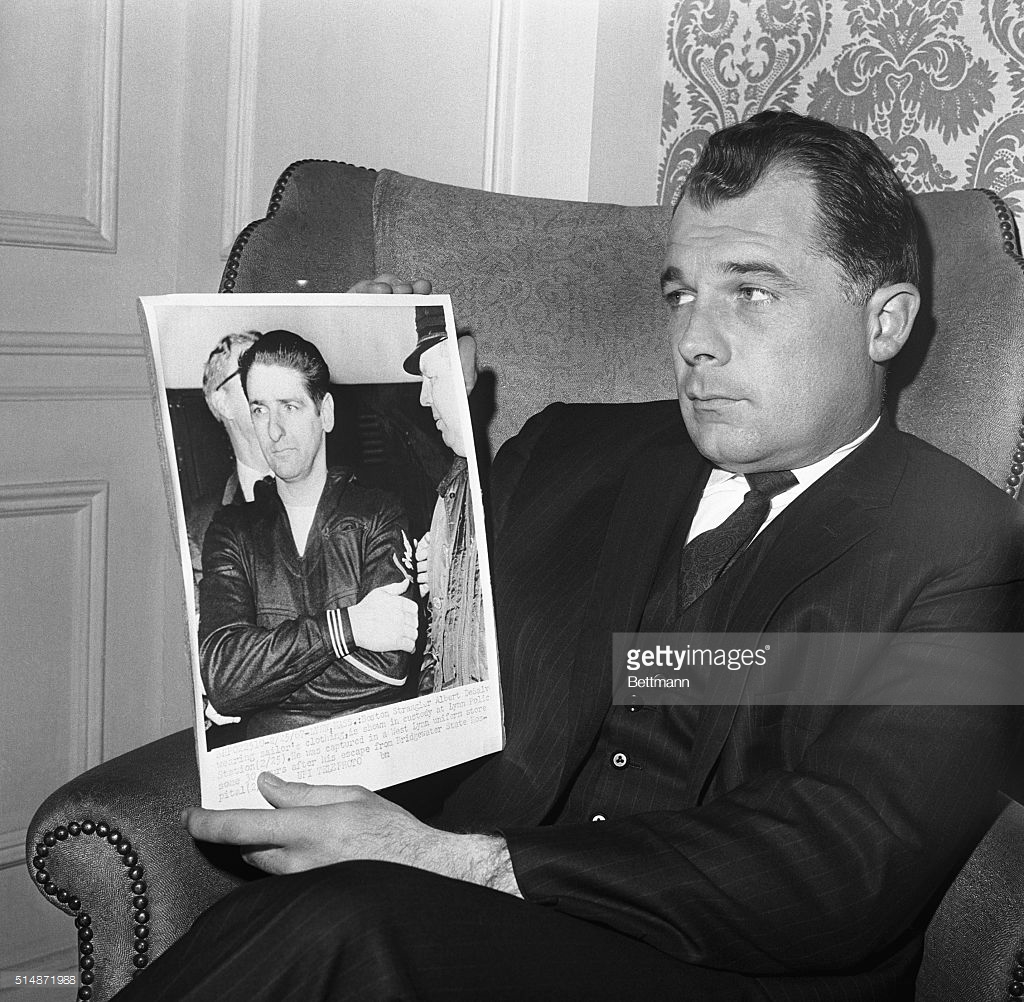
Authorities long debated whether Albert DeSalvo was the Boston Strangler. He was a serial sexual predator and certainly capable of strangling women while raping them. In fact, Albert DeSalvo admitted being the Strangler and claimed responsibility for the thirteen cases, plus other homicides. But, DeSalvo also recanted his confession, blamed others and many pieces implicating him didn’t fit.

Boston area detectives didn’t have Albert DeSalvo on their radar during the early investigation. It wasn’t until late 1965 that DeSalvo surfaced after making a jail-house confession to a cellmate who happened to be represented by high-profile lawyer F. Lee Bailey. Bailey took on DeSalvo’s case and tried to broker a deal with Boston Police and the D.A. It was having Albert DeSalvo ruled criminally insane so he could move from the harsh penitentiary to a comfortable hospital.

The police were very cautious about credibility in DeSalvo’s confession. There was absolutely no physical evidence—at the time—to connect Albert DeSalvo to any of the Strangler scenes. DeSalvo was well known for exaggerating and fabricating stories. Further, DeSalvo seemed wrong about some Strangler scene key facts such as times, mechanisms of death and various evidence points. It seemed to investigators that DeSalvo could have got his information from the news, made some up, or possibly heard it in jail from the real killer.

Albert DeSalvo was written off as a braggart and a pathological attention seeker. He was never charged for the Boston Strangler murders and died in prison in 1973 after being shanked by fellow inmates. The Strangler case sat dormant until 2013 when the Boston PD got special cold case funding from the National Justice Institute. With it, they assembled a team and applied DNA analysis from questioned male biological evidence retrieved at one Strangler death scene and compared it with known DNA extracted from DeSalvo’s exhumed body. The results finally settled the question, “Was Albert DeSalvo really the Boston Strangler?

Boston Strangler Case History

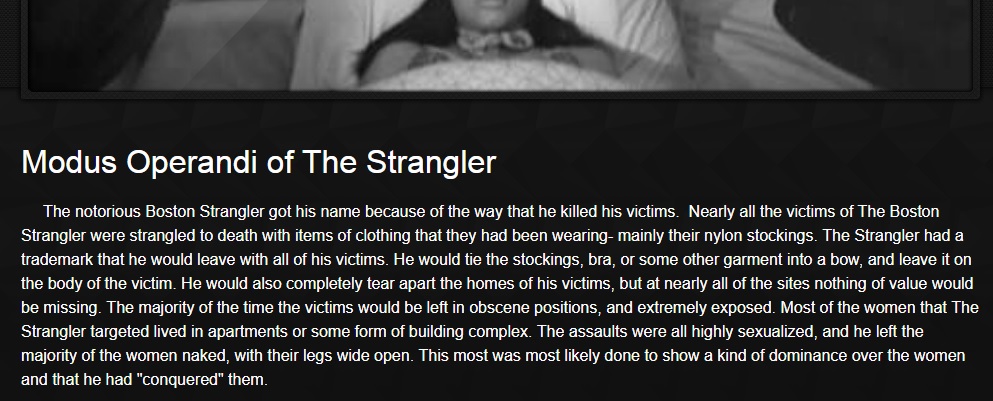
The killings associated with the Boston Strangler serial murder case happened over a 19 month period from the summer of 1962 until the winter of 1964. All victims were females alone in apartments who were killed by manual or ligature strangulation. Some were also stabbed. All were sexually violated in some manner, and most had their nylon stockings cinched around their necks. However, there were marked differences in modus operandi (MO) between the killings. There was also a huge age range. The youngest Strangler-attributed victim was 19. The oldest was 85.

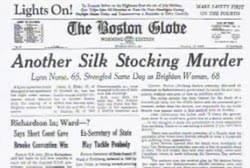
Initially, the Strangler case was called the “Silk Stocking Murders”. This label changed when the Boston Sunday Herald ran the July 8, 1962 headline “Mad Strangler Kills Four Women in Boston” after the fourth victim was found. Then, a panic surge swept Boston causing women to arm themselves, buy guard dogs and rig alarms in their homes.

The print, radio and TV media industry didn’t help calm peoples’ fears. They sensationalized the Boston Strangler case as Boston’s crime of the century. Interest intensified as the Strangler’s body count grew. Through good investigative journalism and helpful leaks from police officers, much of the Strangler key-fact evidence got published.

Normally, this critical information—only known to the true killer and the principal investigators—would be held back in strictest confidence. Not so with many of the individual Strangler murders. Descriptions of exact ligatures, body posings in lurid sexual positions and notes allegedly left by the killer appeared in newspapers and on the air.

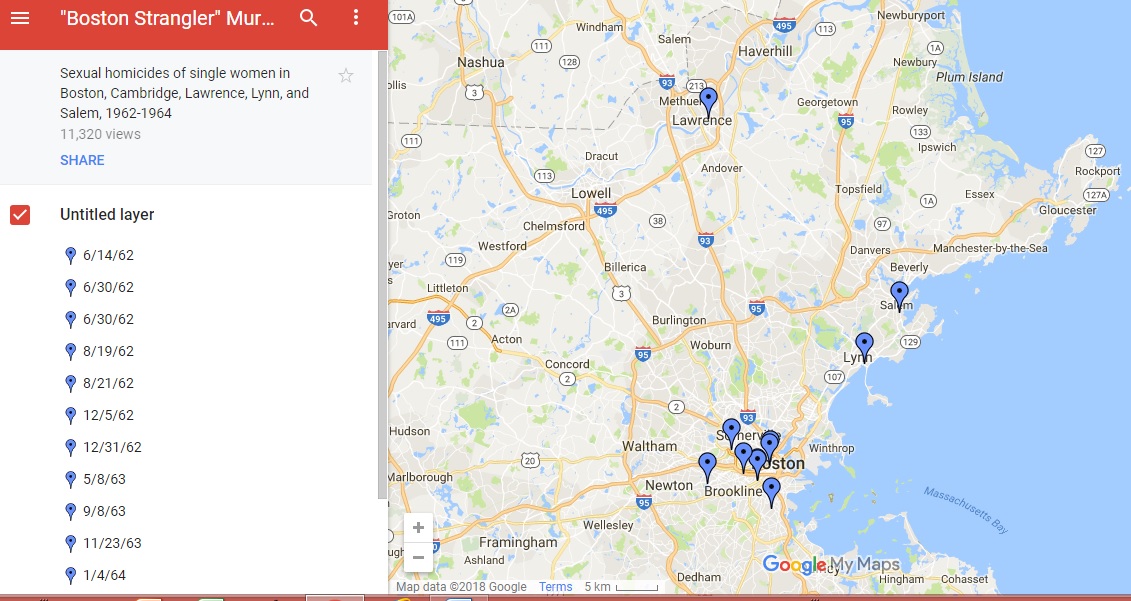
Another challenge was the multi-jurisdictional overlap in the Greater Boston police departments. Strangler victims surfaced in Cambridge, Salem, Lynn and Lawrence as well as central Boston. This was the sixties and way before modern communication links in law enforcement. The media had better information channels than the cops and were making case links that seasoned detectives doubted.

The sixties weren’t sophisticated times as forensics and informatics go. But, the Boston detectives were no strangers to murders and were well-equipped with gut sense. The wide gap in victim ages, race, social class, crime scene modus operandi and event spacing puzzled the initial investigators. There were so many different patterns that it was hard to believe that, behaviorally, the crimes were committed by one person.

Many officers still believe that today. They feel that more than one killer was at work in the Boston area during that period and to seasoned officers, that makes sense. However, there was one obvious common denominator in all thirteen murders. Not a single scene had any sign of forced entry. Somehow, the killer had to have been let in.

The Boston Strangler Victims

Initially, the Boston Strangler victim list held fifteen names. After a time, two cases were solved and found to be independent perpetrators. The police also proved these assailants were not connected to the unsolved cases they cautiously suspected were the Strangler’s work. Here is the list of victims historically associated with the Boston Strangler.

1. Anna Slesers – age 56. Found: June 14, 1962 at 77 Gainsborough St., Back Bay, Boston MA. MO: Sexually assaulted with unspecified foreign object. Non-fatally strangled with a belt then fatally strangled with bathrobe cord tied in a bow around neck.

2. Mary Mullen – age 85. Found: June 28, 1962 at 1435 Commonwealth Ave., Boston MA. MO: Sexual assault in progress but died of heart attack during strangulation attempt.

3. Nina Nichols – age 68. Found: June 30, 1962 at 1940 Commonwealth Ave., Boston MA. MO: Sexually assaulted with a wine bottle. Fatal ligature strangulation with one nylon stocking. Two more postmortem nylon stockings tied around neck in a bow.

4. Helen Blake – age 65. Found: June 30, 1962 at 73 Newhall St., Lynn MA. MO: Raped and fatally strangled with nylon stockings. Another nylon and bra tied around neck postmortem.

5. Ida Irga – age 75. Found: August 19, 1962 at 7 Grove St., Beacon Hill, Boston MA. MO: Raped and manually strangled. Pillowcase around neck postmortem.

6. Jane Sullivan – age 67. Found: August 21, 1962 at 435 Columbia Rd., Dorchester, South Boston, MA. MO: Raped and fatally strangled with nylon stockings.

7. Sophie Clark – age 20. Found: December 5, 1962 at 315 Huntington Ave., Back Bay, Boston MA. MO: Raped and fatally strangled with nylon stockings. Petticoat wrapped around neck postmortem.

8. Patricia Bissette – age 23. Found: December 31, 1962 at 515 Park Drive, Back Bay, Boston MA. MO: Raped and fatally strangled with interwoven nylon stockings. Blouse also tied around neck postmortem.

9. Mary Brown – age 69. Found: March 6, 1963 at 319 Park Ave., Lawrence MA. MO: Raped, bludgeoned with a pipe, stabbed in breasts with fork and manually strangled. No ligature involved.

10. Beverly Samans – age 23. Found: May 6, 1963 at 4 University Rd., Cambridge MA. MO: Raped, stabbed four times in neck, twenty-two times in torso. Two scarves and one nylon stocking tied around neck postmortem.

11. Evelyn Corben – age 58. Found: September 6, 1963 at 224 Lafayette St., Salem MA. MO: Raped, forced to perform oral sex and fatally strangled with two nylon stockings.

12. Joann Graff – age 23. Found: 23 November, 1963 at 54 Essex St., Lawrence MA. MO: Raped, beaten and fatally strangled with nylon stockings. Black leotard wrapped around neck postmortem.

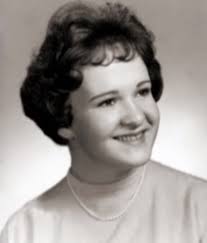
13. Mary Sullivan – age 19. Found January 4, 1964 at 44-A Charles St., Boston MA. MO: Sexually assaulted with broom handle, forced to perform oral sex, fatally strangled with nylon stocking. Two scarves tied around neck postmortem. Posed on bed with back against wall, legs spread and hand-written sign placed at feet reading “Happy New Year”.

How Albert DeSalvo Surfaced

Hindsight is a marvelous thing. Many police and forensic investigators wish they were issued it when they started their careers. Hindsight may be 20/20, but that’s not the real world in active, fluid police and forensic worlds.

Analyzing modus operandi, or method of operation, is also a marvelous thing. In hindsight, the Boston Strangler’s MOs appear glaringly obvious. But, it’s just not that clear for field investigators on the ground. These professionals had to do the best with what they had at the time. Usually that’s a name and they didn’t have Albert DeSalvo’s as a murder suspect.

Looking back, Albert DeSalvo was proficiently active across the crime spectrum. DeSalvo was a con-man duping people on scams. He boosted cars and broke into businesses. DeSalvo dealt drugs and fenced goods. But what Albert DeSalvo was really good at was scamming innocent people into letting him enter their homes.

Before the Boston Strangler case started, Boston police were baffled by sexual predators called the “Measuring Man” and the “Green Man”. They appeared to be two different entities because of two different MOs. Both behaviors were far from how the Boston Strangler operated.

The Measuring Man started his Boston business in 1960. He was a clean, well-dressed and cheery man who randomly appeared at single ladies apartment doors, confidently portraying himself as a modeling agency rep. The ruse was the lady had been recommended by her anonymous friend to be a model. The Measuring Man was asked in, took critical bust, waist and hip sizes and was never seen again.

The Green Man was more aggressive. He appeared at single women’s apartments dressed in green work clothes. His ruse was repairs, and he was let in to do his job. That turned out to be raping women, but leaving them alive. Most gave a very good description and one victim later led the police to Albert DeSalvo.

Boston police arrested Albert DeSalvo for the Green Man rapes on October 27, 1964. This was eight months after the last Boston Strangler murder. Based on DeSalvos description and distinct Green Man MO, they charged him with multiple counts of rape and related sexual assaults. DeSalvo was held in custody and remanded for a psychiatric assessment. It was the same place and time holding George Nassar.

Albert DeSalvo Meets George Nassar

George Nassar was a violent Boston area criminal. Nassar was also in psychiatric remand for cold-bloodedly killing a gas station attendant during a robbery. He was already convicted of a previous murder. They wrote the penal code for guys like George Nassar, and he’d already checked off most of the boxes.

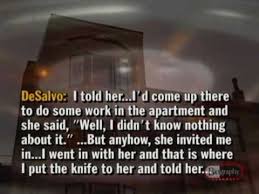
Somehow, Albert DeSalvo and George Nassar were cell mates. No one except Nassar knows how the conversation started. He’s still alive, but not talking. However, back then, the increasingly high-profile American defense attorney F. Lee Bailey represented George Nassar. Though Nassar and Bailey—Albert DeSalvo confessed to being the Boston Strangler.

This toxic mix of masterful manipulators gave Boston police investigators the willies. Nassar was known as a cruel murderer with sexual deviancy. Bailey was an up-and-coming publicity hound. And Albert DeSalvo had absolutely no priors for anything indicating murder.

F. Lee Bailey (later famous for clients like Sam Sheppard, Patty Hearst and OJ Simpson) recorded 50 hours of interviews with DeSalvo producing 20,000 transcript pages. Bailey remained the middle man and the police never talked to DeSalvo directly.

Boston and other PD detectives carefully analyzed Albert DeSalvo’s statements. They concluded that DeSalvo got may details wrong about the crime scenes, particularly times of death that contradicted autopsy evidence. They also concluded details DeSalvo got right—certain key fact information—could well have come from another capable criminal like George Nassar.

DeSalvo suddenly recanted his confession. Police suspected a ruse between Nassar and DeSalvo to split a reward and prefer facilities. DeSalvo was already facing life imprisonment and Nassar had an appeal shot. Police also mistrusted F. Lee Baily and for a good reason, given Bailey’s track record. Eventually, Bailey goes home. DeSalvo dies. Nassar does life. And the Boston Strangler serial killings go unsolved.

Mary Sullivan and Albert DeSalvo’s Families Join Forces

This might sound like an unlikely joint venture, but the families of Mary Sullivan—13th on the Strangler list—and Albert DeSalvo joined forces to exonerate him. Both families had agendas. DeSalvo’s family wanted his name cleared as the Boston Strangler and Sullivan’s family long suspected a copycat—an associate of Mary Sullivan’s roommate.

The Sullivans and DeSalvos did a private investigation in 2000. The Boston police and other law enforcement agencies weren’t involved. Because both families had next-of-kin and executor powers, they convinced the medical examiner to exhume Mary Sullivan and Albert DeSalvo’s bodies for DNA examination.

Their goal was to isolate the killer’s DNA profile on Mary Sullivan’s remains and a known DNA profile from DeSalvo’s remains. Theoretically, this would link or exonerate the two. This was despite Mary Sullivan decomposing for 36 years and Albert DeSalvo rotting for 27.

They exhumed Mary Sullivan on October 13/14, 2000 from her grave in Hyannis MA. The forensic report of her disinterment and forensic examination is fascinating for the forensically inclined. Foreign DNA signatures developed on what was left of Sullivan’s underwear, pubic hair and head hair. They produced two separate donor profiles through degraded mitochondrial DNA profiling. The question was, “Were they contributed by Albert DeSalvo?

The DeSalvo family authorized the Medical Examiner to exhume Albert’s body. The private team isolated suitable material and developed a unique DNA profile for Albert DeSalvo. When compared, the foreign DNA on Mary Sullivan clearly wasn’t contributed by Albert DeSalvo. Albert DeSalvo seemed innocent.

For the next 13 years, both families and many others were convinced Albert DeSalvo didn’t murder Mary Sullivan. That wasn’t so with the Boston police who still held the original semen swabs and slides from Mary Sullivan’s autopsy. They were waiting for forensic science to catch up so degraded DNA could be positively processed.

Boston Police Examine Strangler DNA in 2013

Boston and other police departments had no involvement in the 2000 private exhumations and DNA analysis. Neither did the Medical Examiner’s office or District Attorney. They let a privately-funded—and expensive—venture play out and let the private conclusions stand for what they were worth.

The authorities are no fools. They analyzed the private process flaws and waited till technology advanced. By 2013, forensic DNA analysis had three decades under its belt and was far more precise on old, degraded serology swabs and slides like those still retained from Mary Sullivan’s autopsy in 1964.

Two forensic labs worked tandemly to profile mitochondrial DNA (mtDNA) from the foreign, or questioned, semen samples taken at Sullivan’s postmortem. They produced a clear biolgical picture of her killer. Now, the forensic team needed a known sample from suspects.

For years, Albert DeSalvo was the leading Boston Strangler suspect. Certainly, individual investigators had their personal opinions. But, the preponderance of evidence pointed to DeSalvo and the overall modus operandi pointed to all thirteen murders being related.

Now the Boston police and the forensic team needed a known sample from their prime suspect—Albert DeSalvo. The problem was, DeSalvo was dead. Unlike the NOK/family loop that allowed exhumation, the cops had to convince a judge to issue a search warrant.

Again, the authorities are no fools. They needed a live link to the dead for an indicative DNA donor. That lay in a living male relative of Albert DeSalvo and, by now, the cooperative ones had dropped off. The closest living DeSalvo was a nephew. He wasn’t cooperating.

So, the Boston PD did a sting where they surveilled the nephew till he discarded a plastic water bottle. From that, the forensics team developed a Y-Chromosome DNA profile that showed that someone from the DeSalvo male lineage was 99.9% likely to be Sullivan’s foreign sperm donor. This powerful biological indicator provided grounds for a second Albert DeSalvo exhumation, authorized by a court warrant. Direct nuclear DNA from Albert DeSalvo was crucial to precisely proving or disproving the connection.

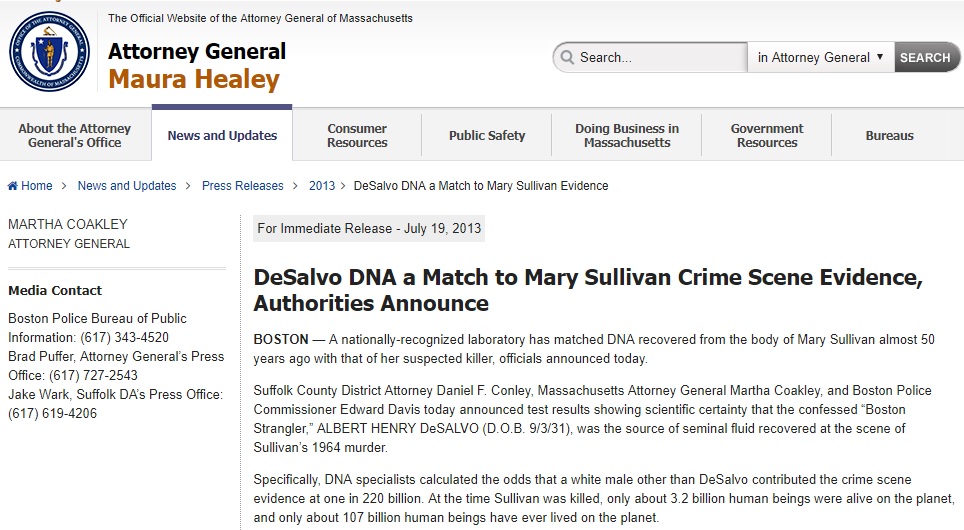
On July 10, 2013 Boston police and their forensic team once again dug up Albert DeSalvo and extracted DNA from his femur and three teeth. Nine days later, the Boston PD chief, the local DA and the Massachusetts Attorney General jointly announced that Albert DeSalvo’s DNA matched Mary Sullivan’s sperm donor with odds of one in 220 billion.

It follows that if Albert DeSalvo’s semen DNA match conclusively links him as Sulivan’s killer, then the intricate MO—the nylon stocking nexus—connects DeSalvo to all thirteen killings. That evidence combination is the holy grail in a serial killer investigation and there is no doubt—no reasonable doubt—that Albert DeSalvo really was the Boston Strangler.

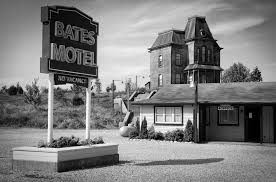
THE PSYCHO-BATES MOTEL ON VANCOUVER ISLAND

Vancouver Island, British Columbia, on Canada’s West Coast is one of the world’s most popular tourist spots—especially those seeking comfort and luxury with unspoiled natural beauty. There’s no shortage of accommodations on “The Island”. That includes options for wealthy and not-so-rich. Most places you find are clean, safe and secure with nothing to worry about. Then, there’s the Psycho-Bates Motel I found on Vancouver Island.

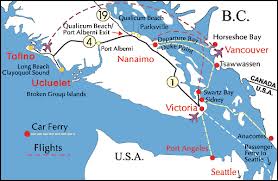
Like, you can’t make this shit up. I’ve lived in Nanaimo on central Vancouver Island for thirty years. I rarely leave because why go out for burgers when you have steak at home. But, sometimes you need to get out of Dodge. So I decided to do the tourist-in-your-own-backyard and surfed the net to plan a road trip on Van Isle.

Tofino and Ucluelet (You-Clue-Lit) are the epitome of Vancouver Island attractions. They’re small sister villages on the extreme west edge of “The Island” about three hours by a windy mountain road from Nanaimo. That grueling drive doesn’t stop folks because the Pacific Rim National Park where Ucluelet (Ukie) and Tofino sit gets about 1 million visits each year. They’re like the Cape Cod and Nantucket of Canada.

It’s shoulder season for Pacific Rim tourism in the spring. That means low room rates. Christmas and New Years with spectacular storm watching bring premium prices. Mid-summer is also crazy expensive with no-vacancies, traffic jams and crowded surf-swept sand beaches. However, mid-April promises great deals as hospitality people hustle for business.

I’ve been over to Tofino and Ukie lots of times. There’s no “must-stay” because new places constantly crop up or old ones change hands. Probably like you, price is always an issue with this guy. Prudently, I went online to look for seasonal deals. But, I wasn’t looking to totally cheap-out, flaunt danger or put my life in serious peril. Here’s what I initially found for lodging before the Psycho-Bates Motel showed up:

  • Wikininnish Inn — “The Wick” rates as one of Canada’s Top-10 luxury resorts. I went there for New Years dinner once and it nearly broke me. Dinner for 5 was 500 bucks and that didn’t include the cheapest bottle of wine @ $100. Off-season room rates start at $399 per night for no view. It climbs fast if you want a look at the water. No, this was not happening.

  • Long Beach Lodge Resort — Now, this place is gorgeous. It’s West Coast Craftsman architecture with big timber frames, Douglas Fir trim and blue slate everywhere. The “LBR” is right on a massive sand beach where you see whales from your bed. You have to call for pricing. Nope, not staying there either.
  • Cox Bay Beach Resort — Another magnificent lodge. I’ve dropped in here too, just to check it out. If I ever win the big one, this is the first stop. Singles start at $225 off-season, but you have to read the fine print. Electricity, running water, locks and wi-fi are a-la-carte. Pass.

  • Tin-Wis — Now this is a Best Western on Chesterman’s Beach. It’s run by the local native band and I remember my mother sitting on the deck with her “sun-downer” watching the sun go down over the wide open Pacific. Nostalgia apart, the $199 price ain’t there.
  • Black Rock Oceanfront Resort — This is Ucluelet’s flagship threatening The Wick. It’s cheese-to-chalk in terrain and equally scenic. Where the Wick’s on flat sand, the Rock’s where the name says. I prefer Ukie to Tofino, but @ $250+ I can’t afford staying at the Rock.

  • Waters Edge Shoreside Suites — This place is interesting and it’s starting to get in the affordable range. They want $183 per night for a room with a view. Non-views are $145. On the safety side, they have complimentary Tsunami warnings as Pacific Rim National Park is part of the Rim-of-Fire where a devastating earthquake and tidal wave is long overdue. Moving on…
  • Pacific Rim Motel — Hesitantly, I clicked here. Hmmm… this is a really nice facility in my class. Clean. Great location. Simple amenities. And an attractive daily rate of $99. No strings attached. Sadly, it was full. No wonder why.

I figured there must be more shoulder season deals so I kept Googling. I found a few in my under $100 budget. Then… I clicked on the Psycho-Bates Motel.

I’d spent about two hours surfing lodgings. I went to Trivago, Expedia and Craigslist. Something I noticed was most had attractive photos and interactive websites. Most were also on the upsell. The Psycho-Bates Motel was an exception.

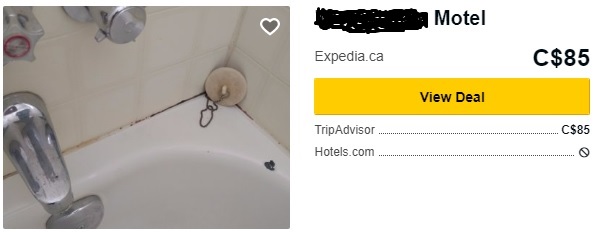
My first red flag was their Expedia cover shot. Instead of the gourmet Dungeness crab at the Wick, fabulous fir timbers at the LBR and lovely flower baskets at Cox Bay, I clicked on a bathtub image. Not any ordinary bathtub. No, this one highlighted a stopper with a rusty chain, chipped porcelain and some nasty black mold. All for only 85 bucks a night.

I back-clicked and refreshed. Surely, they couldn’t use this pic as their click-bait? No, the other images were even weirder. A stove with spaghetti-stains. A backsplash with more mold. Something red on the shower curtain. And the toilet? I simply can’t describe it.

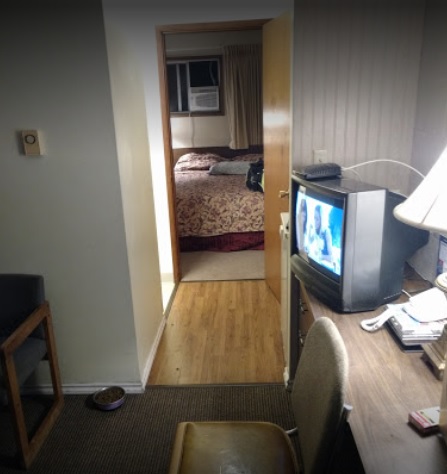
I found one photo that really summed it up. No doubt the placed was dated with the colors, the huge tube TV and the phone with a cord. There was a bowl of pet food on the floor and crap on the bed. The metal chair was like something we used in the interrogation room. And when you looked closely at the TV screen, it appeared some porn show was playing.

Being an old cop, coroner and crime writer, this place got my interest. A lot of serious stuff goes down in motel rooms. I had one murder case where 5 people were shot in a motel room. It looked like an abattoir. I’ve had lots of suicides and drug overdoses in motel rooms. They can be messy. Also, tons of tricks get turned in seedy motels that rent by the hour so you never know what’s laying between the sheets. But I never found an online place like the Psycho-Bates Motel. I expected it being managed by a man with a knife. Instead, this motel is run by a woman. A crazy drunk woman.

Sometimes your best accommodation advice can be online reviews. I had to see what others said about their experience here. Trip Adviser for the Psycho-Bates Motel was a gold mine. Like I said, you can’t make this shit up. These are actual quotes of what surviving guests posted.

The place creeped me out. I thought I was becoming sick just from being there. It stank, felt uncomfortable, and the lady at the reception was very rude. I know she was drunk. Would never stay there again or recommend anyone going there. I can deal with a lot, have no high expectations, but the hostel on Seymour in Vancouver was better even – I seriously considered sleeping in my car while my friend was already asleep. Very gross atmosphere. Yiuck! Room Tip: No room would be your best bet on this disgusting place.

Serious bedbug problem, do NOT stay here! My friend was covered in bites after one night, this place is disgusting and should be shut down by the health board. I would rather sleep in my truck than ever stay here again. Room Tip: Do not rent a room here, it is plagued by bedbugs.

We need a low cost place to stay and this seemed a good deal but was terrible. Its hard to find a motel takeing animals and let you smoke but this place was terrible dirty and the manager was real bad when she wouldn’t give us money back for leaving early. She seemed a bit crazy but we wouldn’t argue, just left. Don’t bother going here. Room Tip: you get what you pay for.

Only stayed one night, and glad as the room could be cleaner. Typical dated room with lots of chipped paint, stained grout in tub, etc. Huge clump of black hair in the tub (how do you miss that?!?) with dirty feet prints, and when I patted the bed calling my pooch to jump up, ALOT of dirt flew up. Kind of gross actually. I’m not super fussy, so dealt with it. Room was big, two queen beds (for one person), good larger flat screen tv, coffee maker, microwave, fridge, air conditioner and fan. Enough coffee for one tiny cup only in spite of having two queen beds. When I checking in the room they assigned was still not made up from the previous occupant, had to go back to the front desk and change. The manager woman seemed intoxicated or stoned or on something. If you’re the type that has to have a decent room, go elsewhere. Room Tip: Don’t stay here.

I could not believe that drunk woman at the front desk and how amazingly RUDE she was about everything, straight down to the parking spots. I recommend a different hotel unless being treated like complete garbage!!

This motel is dated, even unadequate if you are not looking for luxury; and the price is cheap. My single room, with one double bed, had a fridge, microwave, coffee maker and TV that didn’t work. Bedsprings are pokey so you sleep ontop the covers. The motel is just across the road from a small plaza with a grocery store, bank, pizza place and coffee shop. The local bus exchange is also very handy when you have to leave fast.

When i booked my room here i assumed that it was a larger size suite going by the description i got from the lying woman i spoke to on the phone. It in fact was very small. The beds and pillows where super uncomfortable and they had a musty overly used smell so gross…. The bathroom was so dirty and the small fridge we got didnt even work. Nether did the tv remote… We were unable to sleep due to a party going on right above us and i must mention the water running constently. When the party faded around 4 am the ongoing traffic took its place big rigs just flying by. A Nightmare. Room Tip: trust me do not waste your money here.

I requested non smoking rooms both stank of smoke, The bed linen stank, it was gross. There was hair in the bathroom, the sofa had stains all over it, there were dirty marks on the walls. stayed one night and i moved to a different place. Room Tip: Beware!

The bathroom is rotting and falling apart. I requested for a non-smoking and the room stink with smoke smell. Others are right about the manager. When I ask for a refund she threatened to call the cops on me. I will never go back.

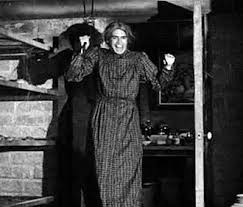
With a vision of someone standing outside the Psycho-Bates shower with a knife in the air, I moved on to other motel websites with more expensive prices. I found one called The Little Green Cabin at the West Coast Motel on the harbor in downtown Ukie. It was a bit over budget at $110 a night—but it’s safe and a good deal for what I got. Like one reviewer wrote, “You get what you pay for.” No way was I paying to meet drunk Norma Bates.