Are you overwhelmed with crime writing tips?
 Frustrated by ‘expert’ penmonkeys that don’t know squat about crime-writing? Sick of literary snitches that sell you false clues? Stuck for real leads on what makes for good blood & guts scoops?

Well, it’s up to you to solve your style, but I’ve got some solid evidence on what makes or breaks a crime-fiction story. Here’s five good tips.
1. Understand what story is.
 Stories are about something that happens. Pure & simple. Oh, there’s all kinds of BS out there about character-driven or plot-driven, literary or commercial, and first-person vs. omniscient crap. That’s good for writing seminars, but for the reader… it’s all about what’s happening. It’s not show vs. tell. Readers don’t care about that and they don’t recognize a good alliteration from a bad head-hop.
They care about what happens next. It’s not perfect prose they’re looking for. It’s the overall story question – What’s going to happen?
Keep your reader questioning and you’ll keep them reading to the end. And it’ll make them buy your next book. And the one after that.
So forget most of that ‘expert’ garbage and, like Stephen King says, just tell the goddam story. And, if you really want to lean something about story-telling, go read Lisa Cron’s book Wired For Story. YYou’ll never think about stories the same way again.
2. Open with a bang or a body.
Think James Bond. Or Agatha Christie. James Patterson. Or Garry Rodgers. AK-47s. Or dismembered hookers. Biological bombs. Or a corpse hanging from a meat-hook. A sharp hook… which is the oldest storytelling device and still the best.
You’ve got about ten seconds to hook your reader and keep their face in the page. So start off fast and slowly add backstory. Build it up, then end with a bang. Maybe another body, too.
3. Big, struggling characters.
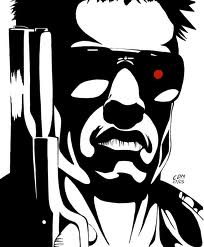 Every great story is about the human struggle. Good & evil. Right & wrong. Order & chaos. Those sorts of things. Protagonists and antagonists who are larger than life; who are not perfect, but are trapped in the story arch – outwitting others to survive. Great characters that have to lie, cheat, doublecross, and undermine to overcome. Great characters with great dialogue… the second greatest storytelling device. So sharpen your dialogue, as well as your hook.
4. Red Herrings.
Nothing in page turners can be as it seems.
Is the good guy bad? Is the bad guy good? Are the gays straight and the straights queer? How come the prime suspect’s DNA doesn’t match. Why does everyone drive a black truck? Who the Christ is Archibald Wiggers? How come he knows why the informants had to be murdered yet the reader doesn’t till the end?
But in ‘The End’ everything has to make perfect sense. Looking back, it has to be entirely expected and the only way the story could have unfolded.
5. Accurate details.
 Just the facts, Ma’am. Nothing will blow your credibility quicker than screwing up things like calling a 9mm a revolver, or saying the cadaver was prone on its back. So much information is available today. A quick Wikipedia or Google search will prevent a set-down- never-to-finish read or horrible, horrible trashings on your Amazon reviews. Time lines are critical and reversing your sequence of events is inexcusable.
Do your research. Do your homework. And be careful out there.