Recently a 60 year old acquaintance of mine suffered a brain aneurysm.
 Jeff lingered on life support for a few days while his family made very difficult decisions, including preparing for his organs to be donated once the inevitable came and the plug would be pulled.
No one saw this coming; not family, not friends, not co-workers – and especially not Jeff. I didn’t know him well, but he struck me as a decidedly happy type who really enjoyed life. Jeff was certainly well loved by his friends and his grieving family.
 A few weeks have gone by and I’ve been thinking about if it were me who had that aneurysm. What would I regret if the Reaper showed up tomorrow? What can I do now, that I can’t when I’m dead.
In no particular order, here’s eleven things.
1. Take a day off work.
Can you imagine anyone wishing they’d spent more time at work.
 2. Get a family photo done.
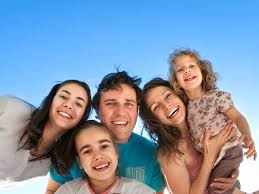
Give your loved ones something to treasure.
3. Re-connect with old friends.
Think of whom you’ve lost touch with. Pick up the phone. Email. Facebook ‘em. Do it now… before it’s too late.
 4. Take the dog for a walk.
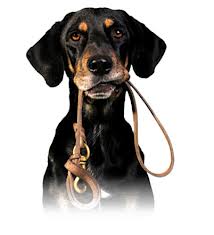
Make it a long one. If you don’t have a dog, go borrow one. Rent one if you have to. Dogs are cool and the more you talk to them, the better they like it, and the better you get to know yourself.
5. Send a love letter.
Doesn’t matter to whom. Just let those real feelings out while you can. This is one thing you’ll never regret.
6. Try something new.
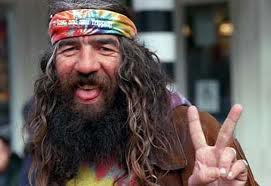 A new eatery. Take an artistic course. Bungee-jump. Talk to a hippie. Go geocaching. Give ten bucks to some random, homeless guy. Quit your job, pack up, and head south. Do something new. Don’t stay in that deepening rut.
7. Watch kids play.
Make it a long watch. If you don’t have kids, go borrow some. Rent them if you have to. Lots of ‘em. Better yet, let the dog play with the kids. There is nothing – absolutely nothing – like the sound of children laughing.
8. Go on a picnic.
 Take your spouse. Or your lover. Preferably not both. Maybe your mom and your dad. Daughter or son. Pack cold chicken and potato salad. Cold pinot gris and that red checkered blanket. Go. To hell with the rain. Just go.
9. Volunteer.
Help out a cause. Join a service club or a clean-up group. Help out the seniors or raise money for Guides. Canvas for the heart & stroke foundation, cancer society, MS, or MD. Give something back.
10. Write that book.
 Admit it. Everybody’s got a book inside them. Start it. Or finish it. Start another. There has never, ever been a better time to be a writer. For God’s sakes, I’m living proof. If I can get one published there is absolutely no frikkin’ reason why you can’t.
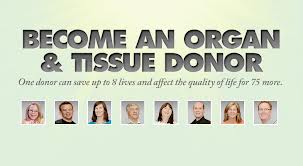
11. Sign up as an organ donor.
It takes ten minutes. Let everyone in your circle know and encourage them to do the same.
Jeff was an organ donor.
This is the one thing that Jeff could do after he died.