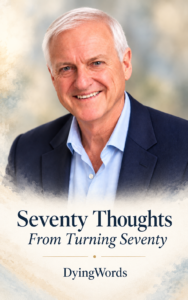
 I just turned seventy years old, and I’ve travelled a long way from a child’s subsistence existence in rural Manitoba to a comfortable senior’s lifestyle on Canada’s west coast. I grew from hand-cranked telephones to now commanding a sophisticated, personalized artificial intelligence system—something no one imagined back in the 50s and 60s, And during the journey I’ve observed and learned a few things. Things I’m expressing today as seventy thoughts from turning seventy.
My boyhood happened in a little Canadian village called Rennie on the Manitoba-Ontario boundary. It revolved around the fur industry, nature, the railroad, and the drag strip. Looking back, it wasn’t a bad place to be. Not a bad place at all.
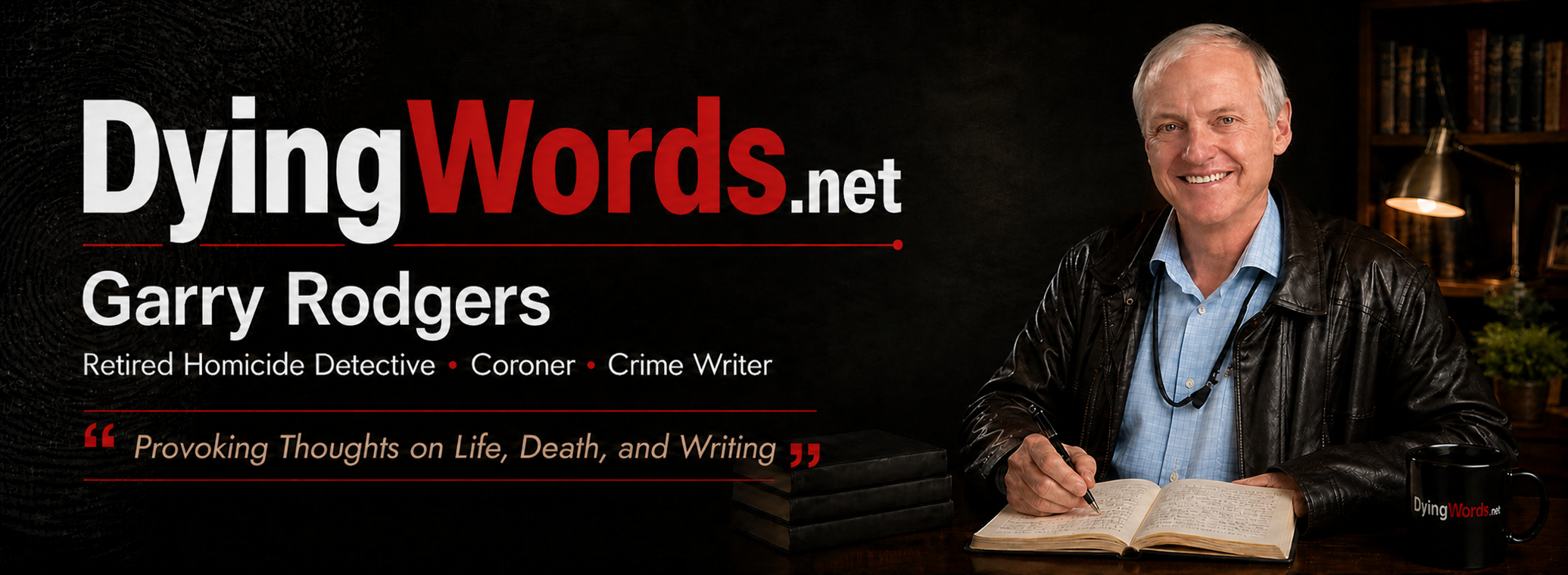
I left Rennie at twenty-one. Since then, I’ve been a police officer investigating homicides, an ERT (SWAT) member in armed conflicts, a coroner dealing with human death, a housebuilder/designer, a land developer, a boat skipper, a security and safety officer, a toxicology technician, and a reasonably accomplished writer starting in my fifties and sixties. Actually… I have no idea what I’m going to be when I grow up.
Turning seventy is a time to reflect. A time for thinking back, ahead, and right here. What emerged are random thoughts. Not advice. Not wisdom. Not guidance. Not insight. Not counsel or perspective. Just seventy thoughts from turning seventy.
Beginnings and Becomings
- Humble Start. Rennie wasn’t the center of the universe, but it was home. I had no idea where life would take me, and that’s probably just as well. I might’ve talked myself out of half the adventures.
- The One-Room Schoolhouse. My first four grades shared one teacher and classroom. You learned to work on your own while the older kids got their lessons, and you couldn’t help overhearing theirs. Whether I learned patience is another question.
- Small-Town Values. In Rennie, neighbors helped neighbors, and everybody was expected to pull their weight. Those weren’t grand philosophical principles. They were just how people got along.
- Family Foundations. I didn’t notice what my family was teaching me. I was too busy being a kid, watching, listening, and occasionally getting into trouble. It’s taken me a few decades to appreciate how much of my education happened outside school.
- Curiosity. I’ve always wanted to know how things work and why people do what they do. It served me in policing and writing, and now it’s got me exploring advanced AI when I could be putting my feet up. Apparently, curiosity doesn’t retire.
- School in Nearby Whitemouth. Whitemouth school opened up a bigger world, although nobody would’ve mistaken it for a Manitoba metropolis like Winnipeg. I graduated in 1974 with friends, memories, and a limited idea of what came next. But things soon turned out to be interesting.
- The People Who Influenced Me. I’ve crossed paths with generous teachers, investigators, writers, and friends. Some showed me what to do. Some provided excellent demonstrations of what not to do. You can learn from almost anybody if you pay attention.
- Opportunities and Choices. Big changes sometimes began with seemingly minor decisions. I’ve worked hard, made wrong turns, and benefited from plain old luck. Anyone who claims to have planned everything might be overlooking the luck factor.
- Life Doesn’t Come With Instructions. Nobody gave me a manual for life, and I’m not sure I’d have read it if they had. I’ve made obvious mistakes, sometimes more than once. It’s an expensive way to learn, but it works.
- Becoming Is Never Finished. I’ve changed jobs and opinions enough to know I’m unfinished. New interests keep turning up when I least expect them. If being grown up means having everything figured out, I’ve still got some work ahead of me.
Work, Experience, and Purpose
- The Value of a Paycheck. My first paychecks bought independence, though they didn’t last long. Early jobs taught me to show up, do the work, and take some pride in it. Those lessons have paid better dividends than the wages.
- Lessons From the Railroad. Railroad work taught attention, quick thinking, and pulling my weight. Things didn’t always go according to plan, and complaining rarely fixed them. I can’t say every task was enjoyable. Neither was the weather.
- Becoming a Mountie. Joining the RCMP in 1978 changed my life. Depot training in Regina introduced discipline, teamwork, and the unpleasant discovery that I wasn’t quite as clever as I thought. Twenty years of policing provided lessons no classroom could offer.
- The Reality of Homicide Investigation. Homicide work showed me human kindness and cruelty at their extremes. There wasn’t the television glamour—mostly patient, detailed digging and uncooperative evidence. Finding answers for people who couldn’t speak for themselves mattered.
- Life Through a Coroner’s Eyes. As coroner, I investigated sudden, tragic, sometimes preventable deaths. It didn’t make me gloomy, but it cured me of assuming tomorrow was guaranteed. That perspective stays with you.
- Building Things and Running Businesses. Business and construction taught me that ideas need actual work. Budgets, deadlines, and things that don’t fit have a way of correcting optimism. Being your own boss also means the problems know where you live. And laying awake at three a.m. calculating how you’re going to make payroll beats an academic MBA.
- The People You Work With. I’ve worked with outstanding people and some who made me wonder how they got dressed. The best taught loyalty, humor, and keeping a cool head. Often, it’s the people I remember more than the work.
- Success, Failure, and Starting Over. Some ideas worked. Others cost money, time, and pride. Failure isn’t automatically a wonderful teacher, but it can be if you’ll listen. Sometimes the sensible choice is to quit digging a hole, climb out, and take another route.
- Becoming a Writer. After investigating others’ stories, writing my own proved harder. Since starting DyingWords in 2012, I’ve written 31 books and learned to rewrite passages I once thought were terrific. Some days the words flow. Other days they require dental extraction.
- Finding Purpose Beyond a Career. Leaving a career doesn’t mean leaving purpose. Books, DyingWords, Stoicism, and now AI have kept my intellectual days full. I’ve got more ideas than time to pursue them, which strikes me as a good problem to have.
People, Relationships, and Human Nature
- Marriage and Making It Last. Rita and I have been married forty-three years, long enough to know my irritating habits. We’ve raised a family, enjoyed plenty of good times, and weathered very few storms. I suspect reciprocal kindness has something to do with that.
- Family Comes First. I’ve sometimes given work too much attention. Family gatherings and shared memories mean more to me now than they did when I was younger. You don’t get those ordinary moments back once they’ve passed.
- Raising Children. Rita and I raised two kids while pretending we knew what we were doing. They taught us a few things along the way. Watching them become independent adults has been a joy, even if my advice doesn’t always get top billing.
- The Value of True Friendship. I’ve known plenty of people, but true friends are a smaller group. They’re reliable, funny, and easy to reconnect with. Friendship doesn’t need a crowd. It needs people genuinely glad to see each other.
- Trust Is Earned, Not Given. Police work taught me to mistrust unsupported stories. I pay more attention to what people do than what they say. Trust can take years to earn and only a moment to lose, and patching it up isn’t easy.
- People Are Complicated. I’ve seen decent people make awful decisions and dishonest people show surprising kindness. People seldom fit into tidy categories. Whenever I think I’ve got human nature figured out, someone comes along and reminds me otherwise.
- The Art of Listening. Homicide interviews taught me to shut up and listen. Ask a good question, then listen. As my old detective mentor said, “You’ve got one mouth and two ears for a reason.” I’ve tried applying that at home, although Rita might question how consistently I’ve mastered the technique.
- Kindness Doesn’t Cost Much. A helping hand or kind word can make a difference. You seldom know what another person is dealing with. Being decent doesn’t require much effort, which makes the lack of decency rather puzzling.
- Disagreements, Grudges, and Forgiveness. I’ve held onto arguments longer than they deserved, usually because pride got involved. Standing firm differs from nursing an irritation. Forgiveness doesn’t excuse what happened. It can simply free up your time.
- The People Who Really Matter. The best parts of my life involve people, not possessions. Family and friends have supplied laughter and company worth remembering. Accomplishments are satisfying, but they don’t sit around the table with you.
Truth, Reality, and Judgment
- Reality Doesn’t Negotiate. Reality doesn’t give a fat rat’s ass what I believe or how badly I want something to be true. I’ve argued with facts, and they weren’t impressed. Sooner or later, what’s real has a way of settling the discussion.
- First Impressions Can Fool You. A scene or person can deceive on first glance. I’ve misread people and jumped to conclusions myself. Now I try to look a little longer before deciding, although occasionally I still get caught.
- Facts, Opinions, and Assumptions. There’s what I know, what I think I know, and what I’d really like to believe. Those aren’t the same things. Policing taught the distinction—loud opinions aren’t evidence.
- Follow the Evidence. It’s easy to favor evidence supporting your theory. Homicide investigation taught me how dangerous that can be. If the evidence points elsewhere, you’d better have the sense to follow it, even when starting over hurts.
- The Truth Isn’t Always Comfortable. An inconvenient truth stings when it exposes a mistake. Pretending otherwise might feel better for a while. In my experience, an uncomfortable truth is still easier to live with than a comfortable lie.
- Knowing What You Don’t Know. I’m increasingly comfortable saying, ‘I don’t know.’ Some people have answers even without knowledge. There’s no shame in ignorance if you’re willing to follow it with, ‘I’d sure like to find out.’
- Intelligence Isn’t Wisdom. I’ve met highly educated fools as well as uncredentialed folks with excellent insight. Knowing lots of things isn’t the same as knowing what to do. Wisdom seems to require an understanding of people, circumstances, and consequences. As they say, knowledge is knowing a tomato is a fruit. Wisdom is not putting tomatoes in a fruit salad.
- Changing Your Mind Isn’t a Weakness. I once thought changing my mind showed weakness. Now I see it differently. New evidence ought to change an old conclusion when the conclusion was wrong. Defending a mistake just to save face seems like a poor bargain.
- Decisions Have Consequences. Some decisions deserved more thought than I gave them. Good intentions don’t guarantee good results, and small choices sometimes travel a long way. You can’t predict everything, but you can take responsibility for what you decide.
- Good Judgment Comes From Experience. Good judgment supposedly comes from experience, often bad judgment. I can’t argue with that. I’ve made some fine calls and spectacular blunders, and I like to think the blunders at least earned their tuition.
Character, Stoicism, and Living Well
- Character Is What You Do. Some people preach integrity until it becomes inconvenient. Character shows up in conduct, especially when nobody’s watching. I haven’t always met my own standards either but admitting that beats pretending I haven’t got faults.
- Discovering Stoicism Later in Life. In my late sixties, ancient Stoics explained lessons I’d learned the hard way. Stoicism’s emphasis on judgment, restraint, and accepting reality made sense. I wish I’d found it sooner, but here we are.
- Knowing What You Can Control. Stoicism reminds me I can’t control others or tomorrow. I can work on my choices and responses, though. It’s a simple distinction that’s saved me aggravation, whenever I actually remember to practice it. Ta eph hemen. Ta ouk eph hemen. (Google that saying.)
- Courage Isn’t the Absence of Fear. I’ve been scared when circumstances justified it. Courage meant recognizing the danger and doing what needed doing anyway. Sometimes it also means admitting you’re wrong when pride is begging you to keep quiet.
- Treating People Fairly. Everybody deserves a fair shake, regardless of background or wealth. In police work, hearing someone’s story mattered before reaching conclusions. Respect doesn’t require agreement, and decency doesn’t mean approving of everything somebody does.
- The Value of Self-Discipline. Work, exercise, and routine aren’t always exciting. Doing them anyway has served me better than waiting for inspiration. I don’t always feel like starting, but once I’ve done the work I’m generally glad I did.
- Keeping Your Emotions in Check. Anger happens. Letting it decide can be expensive. Police work taught me to keep a cool head, and Stoicism helped explain the habit. A moment’s pause between stimulus and response has saved me a few apologies.
- Knowing When Enough Is Enough. There’s always another goal or purchase. Chase them all and the finish line keeps moving. I’m more content these days, and I’ve discovered that knowing what’s enough can be more useful than getting more.
- Gratitude, Simplicity, and Contentment. Health, family, friends, quiet mornings, and coffee count for plenty. I don’t need much more to make a day worthwhile, although something interesting to think about helps. Simplicity is the ultimate sophistocation.
- Becoming a Better Human Being. I don’t expect to become wise and faultless. Learning from mistakes, treating people decently, and trying to exercise better judgment seem like useful daily work. There’s still plenty of room for improvement on my end.
Time, Aging, and Mortality
- Where Did All the Years Go? Seventy years sounds long until you look back. Childhood seemed endless when I was waiting to turn sixteen and get my driver’s license. The decades since haven’t shown quite the same patience.
- Age Is More Than a Number. My body disputes that age is just a number. The mind still proposes projects without consulting the knees. I’ve accepted a few limitations, but I don’t intend to let the calendar make every decision.
- Taking Care of the Machinery. I’ve only one body, so I eat, sleep, and move sensibly. Rucking means walking with a weighted backpack, an activity that sometimes makes me question my own judgment. Still, the machinery seems worth maintaining.
- Eat. Move. Rest. Think. Do. This formula of five is the closet thing to a good life prescription as I’ve found. Eat—I try to follow the Mediterranean diet. Move—I ruck n’ rope. Rest—7 to 8 hours unbroken. Think—Cognitive workouts. Do—Having a purpose.
- Don’t Put Life on Hold. It’s easy to wait until work settles down. There’s always another reason to wait. Planning ahead matters but spending your whole life getting ready to live would be a pretty disappointing outcome.
- The Things That Matter Less With Age. I seldom worry about impressing people or winning pointless arguments—especially politics. Time with people I care about and work I enjoy interests me more. It’s taken a while, but I’m getting better at sorting the two. Also at saying “No” to things that don’t matter.
- Time Is the One Thing You Can’t Replace. Money and possessions can be replaced. Yesterday doesn’t offer refunds. I’m more particular now about what deserves my hours, and I’d rather spend them on people and things that matter than on somebody else’s nonsense.
- Learning to Let Go. Plans change, people leave, opportunities disappear. I’ve wasted time wishing I could rewrite things that were already done. Letting go isn’t always giving up; sometimes it’s making room for the life still in front of you.
- Growing Older Without Growing Old. I’m keeping curious while letting my body vote. There’s no reason to stop learning or trying new things at seventy. I just allow a little more recovery time than I once did.
- Making Peace With Mortality. I know the final outcome, but I’m not eager to meet the Grim Reaper. I’ve had a good run and hope there’s plenty left. The best preparation I can think of is to enjoy living while I’m here.
Curiosity, Progress, and What Comes Next
- Curiosity Keeps Life Interesting. New questions and rabbit holes keep appearing. Investigations, books, philosophy, and technology have all taken their turns. I can’t imagine being bored when there’s still so much I haven’t figured out.
- You’re Never Too Old to Learn. Stoicism and AI made me a beginner again in my late sixties. It’s humbling, sometimes frustrating, and often tremendous fun. Learning may take a little longer now, but I haven’t noticed any shortage of things worth learning.
- The Writing Isn’t Finished. Since 2012, I’ve enjoyed turning ideas into DyingWords articles. I’ve got more stories and opinions in me, whether anybody asks for them or not. The keyboard isn’t getting retired just yet.
- Discovering Artificial Intelligence. ChatGPT began as my research assistant in 2023. That led to bigger questions about human thinking, machine learning, and what the two might accomplish together. I never expected a bot-tool to send me off on an entirely new adventure.
- The Past Has Plenty to Teach Us. Stoics, Ben Franklin, and computer pioneers remind me that ideas have histories. I’ve become more interested in tracing those roots. You might know where you are, but you don’t know where you’re going unless you know where you’ve been.
- Learning From Younger Generations. Birthdays don’t confer a monopoly on ideas. Younger people see technology and changing customs differently, and I’ve learned by watching and listening. That’s more rewarding than speaking on why everything was supposedly better in the old days.
- Keeping an Open Mind. Evidence has changed some of my strong opinions. That doesn’t mean believing every new claim that comes along. It means holding my convictions firmly enough to examine them and loosely enough to correct them. It also means not judging youths with green or pink hair.
- Finding Something Worthwhile to Build. I’ve always liked building with tools or words. Now I’m working on a project that I hope might help other people. It’s called Twenty-Second Century Enlightenment—22ENL for short—and it trains humans to build, command, and govern their personalized artificial intelligence system. It’s a human development and self-improvement program that may succeed or it may not, but getting up with something worthwhile to tackle suits me fine.
- Planning for a Future I Can’t Predict. Life’s surprised me too often to script the next decade. I’ll still make plans and pursue what matters, while leaving room for surprises. If someone had described my seventieth year to me at twenty, I’d have laughed.
- I’m Still Looking Forward. Seventy isn’t a finish line, and I’m not interested in waiting around for Doctor Death. I’ve experienced good fortune and learned some lessons I’d rather not repeat. I don’t know how many roads remain, but I intend to enjoy the drive.
Garry, wishing you many more years of productivity and boundless curiosity! Happy Birthday, my friend!
Debbie
So nice to hear from you, Debbie! Strikes me our labels have a similar vintage stamped on them.
I loved this one, Garry. Very intuitive, raw, personal. It was nice “catching up” after all these years.
Carry on, young man.
Thanks, Pauline. I like the “Carry on, young man.” It sounds better than “Carry on, wayward son.” (Kansas) https://www.youtube.com/watch?v=2X_2IdybTV0