Author Archives: Garry Rodgers

About Garry Rodgers

After three decades as a Royal Canadian Mounted Police homicide detective and British Columbia coroner, International Best Selling author and blogger Garry Rodgers has an expertise in death and the craft of writing on it. Now retired, he wants to provoke your thoughts about death and help authors give life to their words.

THE CREEPY CASE OF THE FLOATING FEET

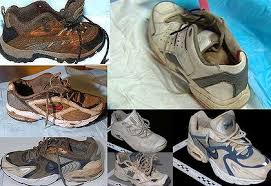
F17Since 2007, sixteen shoes containing severed human feet have washed up on the shores near the mouth of British Columbia’s Fraser River which supplies freshwater to the tidal Pacific Ocean at the Canadian Strait of Georgia and Washington State’s Puget Sound. Curiously, the majority of the found flotsam-footwear are large, men’s runners holding a disarticulated right foot.

The story quickly gained international attention and refuses to go away. Just last month (February 2016) two more New Balance sneakers with their feet ran aground at Botanical Beach on Vancouver Island. Public speculation has stepped-up—not surprisingly given that, historically, the Pacific Northwest has the largest number of prolific serial killers per capita in the world.

F19The Northwest Noir is home to Ted Bundy—the College Dorm Slayer, Gary Ridgway—the Green River Killer, Robert Pickton—the notorious Pig Farmer, Clifford Olson—the Beast of BC, Harvey Carignan—the Want-Ad Murderer, Robert Silveria—the Box-Car Killer, Gilbert Jordan—the Boozing Barber, and at least one currently active serial killer who’s terrorizing the Highway of Tears.

Could it be there’s another homicidal maniac on the loose—one with a fiendish foot-fetish? Someone who’s cutting off his victim’s feet and chucking them in the ocean? Possibly the Reebok Ripper at work?

Or is it more likely just as the authorities say—all the feet belong to suicide victims—jumpers from any one of more than thirty-two bridges in the Vancouver area?

F18Looking at the case facts that are readily available from the police and coroner websites, ten of the feet have been identified through DNA to individuals who were suspected of taking their own life. Six of the shoes belonged to three different people and eleven of the sixteen feet detached themselves from the right leg at the ankle.

The police and coroner departments are clear there are no striation marks on the bones to suggest any mechanical manipulation by way of severing the feet with a knife, ax, or saw. The forensic specialists assure the appendages appear entirely consistent with disarticulating, or pulling away, from a body that’s been submerged in water and undergoing a natural decomposition process that’s slowed due to the cold waters of the Fraser and the Pacific.

Nothing to see here, folks, they say.

Well, hang on a minute. I’m a curious old cop and coroner. This flotsam-foot thing is something you don’t see every day. Why is this foot phenomenon unique to the region? Why did it recently start to occur? And why are so many feet from the right? I decided to tread into this with an open mind—and the help of acquaintances from my forensic days.
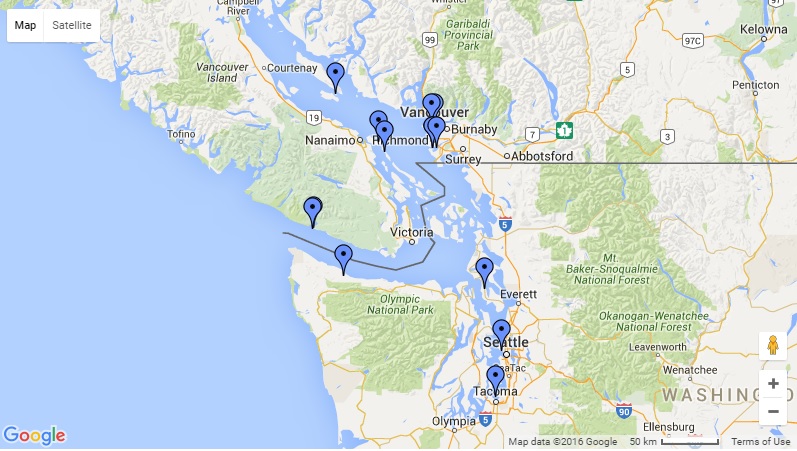
Feet Map

 Foot Distribution Map

Dr. Gail Anderson is the Professor of Entomology at Vancouver’s Simon Fraser University. She pioneered a project to study decomposing pig carcasses 300 feet under the nearby Pacific and monitors the process via remote cameras to her laptop. She’s found that an entire adult hog can be left skeletonized within three weeks—being devoured by crabs, shrimp, and sea worms—as well as breaking down through a microbial process.
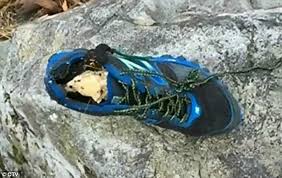
F20But, Gail says, getting at meat wrapped up in a rubber running shoe is a whole different challenge. And floating upside down on the ocean’s surface would prevent seabirds like gulls from attacking the foot from above.

Bill Inkster is a former dentist who now manages the identification unit for the B.C. Coroners Service. He takes the disarticulation and floatation process a step further.

They’re not severed, they’re disarticulated,” Bill explains. “As the body decomposes, the feet are separated from the rest of the body. Time was, the feet would have stayed underwater with the rest of the body. But Nike Air, and all the other high-buoyancy sneakers that followed, changed that with designs that featured little air pockets. These floating feet are enclosed in their own PFD’s (personal floatation devices) and just bob to the surface once freed.”

F7A little internet research into running shoe technology confirms that by 2005 the footwear industry profoundly changed materials in their products. Where the lightweight designs were first developed for the high-priced athletic market, the chemical advancement of switching from polyurethane (PU) mid-soles to ethylene-vinyl acetate (EVA) closed-cell blowing agents not only reduced the weight but drastically reduced manufacturing and shipping costs.

This allowed third-world makers of Nike, Adidas, New Balance, Reebok, Brooks, and other major sporting-shoe players to supply discount retailers like Walmart with cheap, yet decent runners.

F21Richard Thompson is a physical oceanographer with Vancouver Island’s Institute of Ocean Sciences. He shed light on why this was happening in the Fraser River region. Thompson explained the Fraser is a heavily-mudded waterway that carries silt from the province’s interior and deposits it in a vast delta extending miles out into the Pacific. The ever expanding bridge construction along the lower Fraser has created a series of dams due to their pilings that require continual dredging to maintain the shipping lanes.

It follows that victims who jump from one bridge may be carried along the bottom—pushed down by the weight of the silt—and become lodged in another piling dam. Dredging then shakes the body which has now decomposed to the point where the feet easily detach at the ankle and the high-buoyancy shoes sneak themselves to the surface where they drift on out to sea.

StraitofGeorgia_30_07_13Once the shoe-encased foot meets the tidal water, it enters what Thompson describes as a giant, endless spin cycle created by the freshwater outflow, the incoming currents, twice-daily tide action and, of course, the wind. The combination of these recirculation actions results in the wide—seemingly random—distribution of where the floating feet eventually beach themselves.

Once I objectively listened to the experts explaining the science behind decomposition, dredging, disarticulation and distribution of the sixteen severed feet, it made sense to me—except for one troubling fact.

Why are nearly three-quarters of the recovered runner-wraps from the right?

F16I got the answer from Professor Curtis Ebbesmeyer. He’s known as the rubber-duck man and the co-author of the fascinating book Flotsametrics and the Floating World: How One Man’s Obsession with Runaway Sneakers and Rubber Ducks Revolutionized Ocean Science. Ebbesmeyer spent his lifetime studying ocean currents, including the aftermath of a shipping accident involving thousands of Nike runners being discharged into the Pacific during a storm. The resulting locations where the shoes hit land was a landmark breakthrough in a better understanding of ocean drift.

So if anyone knows how a sneaker sneaks about in the water, it’s Professor Ebbesmeyer.

He says that left and right shoes behave differently due to their curvature—lefts tend to drift in a clockwise pattern and rights will turn counter-clockwise. This contributes to a distribution pattern where the rights went to the closest land and the lefts possibly headed for the open ocean or perhaps to more deserted beaches.

F23Ebbesmeyer also pointed out an interesting and apparently verified fact—whether or not it bears weight on the floating feet. With ninety percent of the population being right-handed, most people tend to tie their right shoe tighter than the left and most people’s right foot is slightly larger than their left.

With maybe more slack in a left shoe, it’s possible more of the disarticulated left flesh and bone matter would fall out of its runner, then its shoe would go to a beach empty-handed and be ignored.

There’s one last factor in these recently-found, sixteen feet and that’s the Vicious Cycle effect. The floating-foot story is so widely known throughout the Pacific Northwest that by now nobody walks by a shoe on the shoreline without picking it up and checking inside.

Stefan Fonseca, my ex-colleague with the British Columbia Coroners Service, puts it well. “People will actually wade out to go look at a shoe. It’s creepy, but I guess that’s the fascination.”

EIGHT EFFECTIVE WAYS TO DISPOSE OF A BODY

A19According to the Central Intelligence Agency’s World Factbook, the worldwide human death rate averages nearly 8 per 1,000 in population. With over six billion people on the planet, that’s about 55.3 million deaths per year — 151,600 a day, 6,316 an hour, 105 a minute, and nearly 2 per second. That’s a lot of bodies to dump.

Conventional cemetery burial and fossil-fuel cremation are the two main means of corpse disposal but both have drawbacks by way of cost, use of natural resources, and effects on the environment. Today, many people are looking for alternate solutions in sending-off their dearly departed.

Here are eight other effective ways to dispose of a body.

A231. Promession is the process of freeze-dying human remains. Whereas cremation incinerates a body resulting in ash (ashes to ashes—dust to dust, as the saying goes), promession produces .04 inch (1 millimeter) diameter particles of organic material that can be returned to the earth in many ways.

The process is relatively simple… and gentle.

A24First, the corpse is frozen at 0 degrees Fahrenheit (-18 Celcius) and then placed in a vat of liquid nitrogen where the temperature drops to -320 Fahrenheit (-196 Celcius). A mechanical device vibrates the body which disintegrates in minutes, then the material is freeze-dried in a vacuum chamber, removing the water and reducing the weight to thirty percent of the original mass. Metals such as fillings and artificial devices are picked-out then the dry powder is placed in an urn and returned to the family.

2. Biodegradable caskets and burial shrouds are replacing exotic wood and metal coffins which used to be buried six feet underground in crowded, designated cemeteries. The thinking was to preserve the body as long as possible and delay the natural decomposition process.

A5

Today, innovative interment containers made of wicker, bamboo, seagrass, cotton, or banana leaves break down quickly when laid in the earth’s organic layer which averages two feet in depth.

A73. Green or woodland burials are becoming popular throughout North America where land space in rural areas is still readily available. Recognizing that a human body is designed to naturally recycle in the earth after death, families choosing green burials have their member return to the earth.

Green burial spaces respect the natural environment by encouraging grass and tree growth which are fertilized by organic compounds in human bodies. Gravesites are marked through GPS coordinates rather than by headstones.

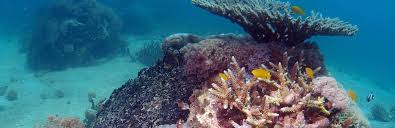
4. Eternal Reefs combine a cremation urn, ash scattering, and burial at sea into one meaningful, permanent environmental tribute to life.

A3Reef balls have been used for years. There are over 700,000 reef balls used in more than 4,000 projects in over 70 countries and are considered the gold standard in artificial reef development and restoration—particularly in building coral reefs.

Brilliantly designed, the balls are made of Ph-neutral concrete and are round, hollow, and perforated to allow the flow of water and population by marine life. Eighty percent of the weight is built into the bottom of the balls preventing them from being washed away by currents or storms.

A26Human remains, whether diminished by cremation or promession, can be mixed with the concrete or set in individual pockets built into the reef ball. Creating a healthy and sustainable marine environment is a wonderful tribute to a passed friend.

4. Green Embalming replaces the toxic, carcinogenic method of using formaldehyde fluids in preserving a cadaver whether the purpose is to make viewing presentable or long distance shipping possible.

A27For thousands of years, civilizations have been using organic compounds in their mortuaries. They include essential oils like pine, juniper, onion, and palm, as well as resins like lichen, oloeo-gum, beeswax, cassia, bitumen, and myrrh. Frankincense was used to mask odors and bodies were washed in wine.

These naturally occurring precursor agents are non-polluting and environmentally stable, unlike the chemicals found in traditional embalming fluid. While initially retarding a body’s breakdown, the effects quickly wear off and allow decomposition to proceed, which is what mother nature intended.

A105. Bios Urns allow someone become a tree. This patented product is essentially a cone or a sphere which contains soil, the deceased’s ashes, and a seed. The urn itself is biodegradable so you just plant the entire container, water it, and watch a sapling tree sprout from what used to be a relative.

The Bios Urns website offers a choice of plantings including maple, pine, gingko, beech, or ash as well as providing for custom orders. There’s also an app which alerts your smart phone of a need for hydration or an automatic watering system can also be bought.

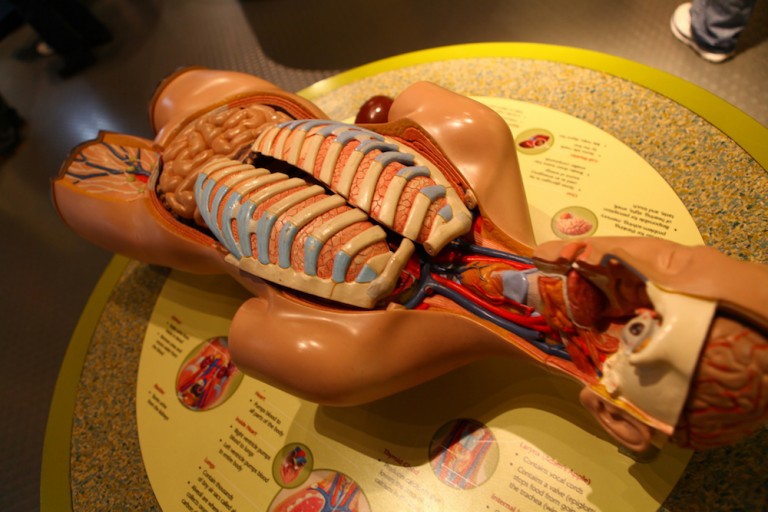
A86. Donating a body to medical science has been an option available for years and it’s always in demand. Anatomical students need actual human cadavers for study and dissection and it’s an honorable use of deceased remains to provide schooling for the next generation of doctors and researchers.

Although there’ve been huge technological advancements in anatomical models and computer generated simulators, there’s nothing quite like the real thing for practicing professionals.

A207. Donating a body to forensic science is another option and something relatively new. Since the success of The Body Farm, which was pioneered by Dr. Bill Bass of the University of Tennessee Anthropological Research Facility near Knoxville, six more farms were developed to study the decomposition process of human remains to aid in the forensic investigation of human deaths.

These farms accept over one hundred bodies per year and currently have in excess of thirteen hundred registered donors—when their time comes.

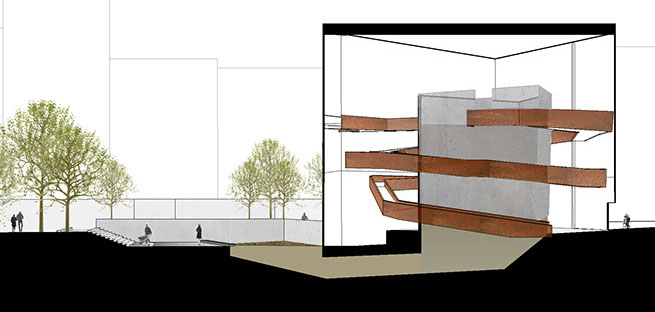
8. Human composting is a concept that’s proposed but not yet in operation. Architect Katrina Spade’s Urban Death Project is a dignified way to turn remains into nutritive compost as quickly as possible.

A15

The Urban Death Project is more than just a compost-based renewal system. It’s a new model for death care in overcrowded cities and is replicable, scalable, not-for-profit, and totally beneficial to the planet.

A25In a bold departure to the status quo—never before have humans been composted—the Urban Death Project will be an architectural first that’s built as a three-storey compost core. Ramps will allow a funeral procession to carry a shrouded deceased to the top of the bin and conduct a service before “laying-in”.

The body is not embalmed as fast decomposition is essential to the process. Over the span of a few months, aerobic and microbial activity transforms the deceased—along with others—into a rich, organic compost that can be used to fertilize urban spaces such as rooftop edible gardens.

A17The Urban Death Project is working with Western Carolina University’s Forensic Osteology Research Station (FOREST) in studying the human composting process to develop a safe, effective, and dignified way of caring for the deceased. Osteology is a specialized branch of anthropology that deals with studying bone structure.

The organization aims to “fundamentally alter the way that Western Society thinks about death. The goal is to un-do the over-commercialization and needless distance currently created between ourselves and this inevitable human event”.

The first human composting facility is being planned for the city of Seattle in Washington State. Check out their website at www.urbandeathproject.org.

DID A DINGO REALLY GET HER BABY?

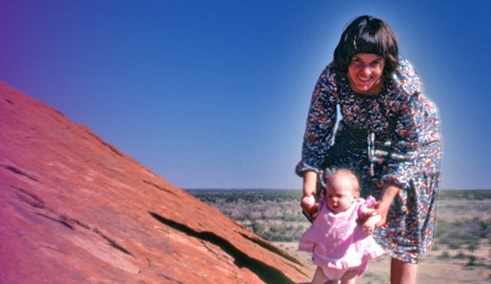
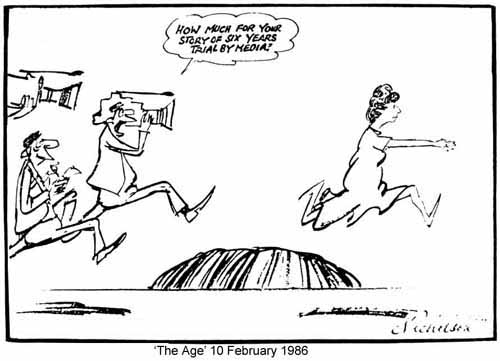
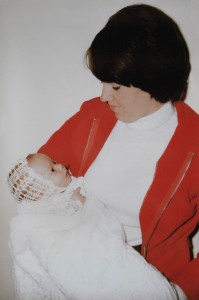
A10Azaria Chamberlain—a nine-week-old infant—disappeared from her family’s campsite at Ayers Rock (now called Uluru) in the central desert of Australia’s Northern Territory on August 17, 1980. Despite a massive search, Azaria’s body was never found and the question of whether she was taken from the tent by a wild dog or whether she was killed by her mother, Lynne (Lindy) Chamberlain, lingered on.

Lindy Chamberlain was charged with Azaria’s first-degree murder and convicted of her daughter’s slaying. After thirty-two years, eight legal proceedings, and tens of millions spent in the investigation, Lindy was finally exonerated by a coroner’s inquest that declared Azaria’s death was an accident—the result of a wild animal attack, to wit—a dingo.

The case was entirely circumstantial and supported by incriminating points of forensic evidence that convinced a jury to find Lindy Chamberlain guilty beyond a reasonable doubt. But how credible were these “forensic facts”? Where did the case go wrong? And what led to Lindy’s conviction being overturned?

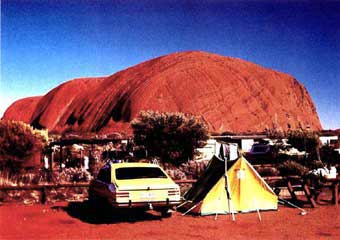
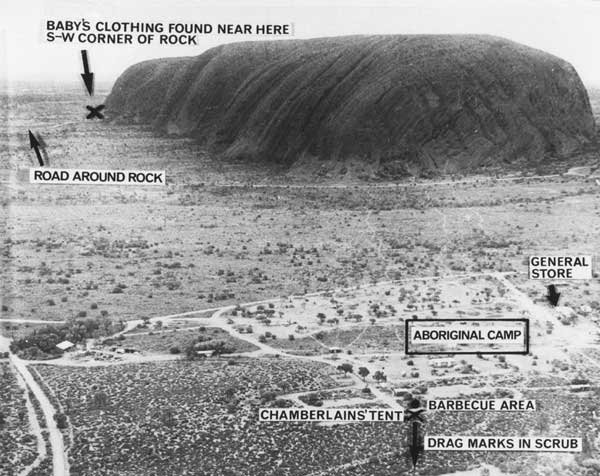
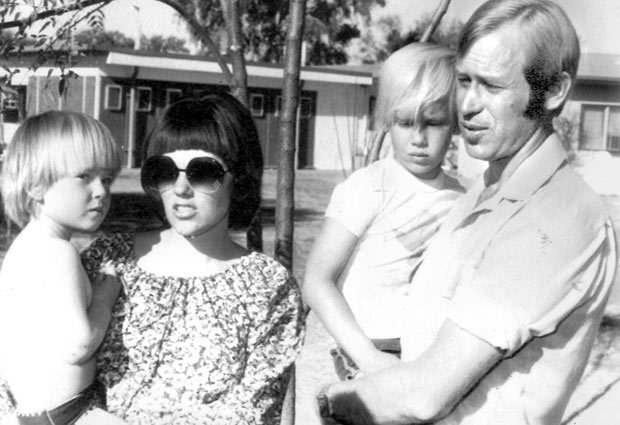
A3Lindy Chamberlain, 34, her husband Michael, 38, son Aidan, 6, son Reagan, 4, and infant Azaria were on a family vacation and pitched their tent in the Ayers Rock public campground at the famous World Heritage site. At eight p.m. and well after dark, Lindy finished breast-feeding Azaria and took her to the tent—thirty feet from the picnic table where she placed the baby in a bassinet and covered her with blankets. She’d taken Aidan with her and Reagan was already asleep inside.

Lindy went to their car that was parked beside the tent and got a can of baked beans to give Aidan as a bed-time snack, then returned with Aidan to Michael at the picnic table. At 8:15 p.m Azaria cried out. Concerned, Lindy walked toward the darkness of the tent-site and claimed she saw a dingo at the opening of the unzipped tent door. It appeared to have something in its mouth and was violently shaking its head.

Lindy hopped a short parking barricade which made the animal flee into the night. She checked inside the tent.  Azaria was gone and there were fresh blood stains on the floor, bedding, and other articles. Lindy rushed out, yelling to Michael and the other campers “Help! A dingo’s got my baby!

A19The adjacent campers formed a search party which was re-enforced by authorities and local residents, eventually totaling over three hundred volunteers including Aborigine expert trackers with their dogs. Dingo paw prints were noted in the sand outside the tent and a trail was followed which showed marks indicating a dingo was partly dragging an object, periodically setting it down to possibly rest or readjust its grip. (Azaria weighed just under ten pounds.) The trail indicated its destination was toward known dingo dens at the southwest base of Ayers Rock.

By daylight, no sign of the infant was found and the search was called off. The Chamberlain family cooperated in a preliminary investigation conducted by police from the nearest town of Alice Springs, then they returned home to Mount Isa.

A4Initially, there was no doubting the Chamberlains’ story. A dingo was seen in the campground before dark by campers. Others heard a dog growl minutes prior to the baby’s cry. They also heard Lindy’s scream “A dingo got my baby!” Further, the park ranger had warned that the dingo population was increasing and becoming very aggressive. And young Aidan backed up his mother’s story of going to the tent and the car, being with Lindy throughout.

The police investigation stopped. But, seven days later, a hiker found some of the garments Azaria was dressed in, nearly three miles away by the dingo dens. The clothes were a snap-buttoned jumpsuit, a singlet, and pieces of plastic diaper, or “nappy” as they say in Australia. Still missing was a “matinee” coat that Azaria wore overtop.

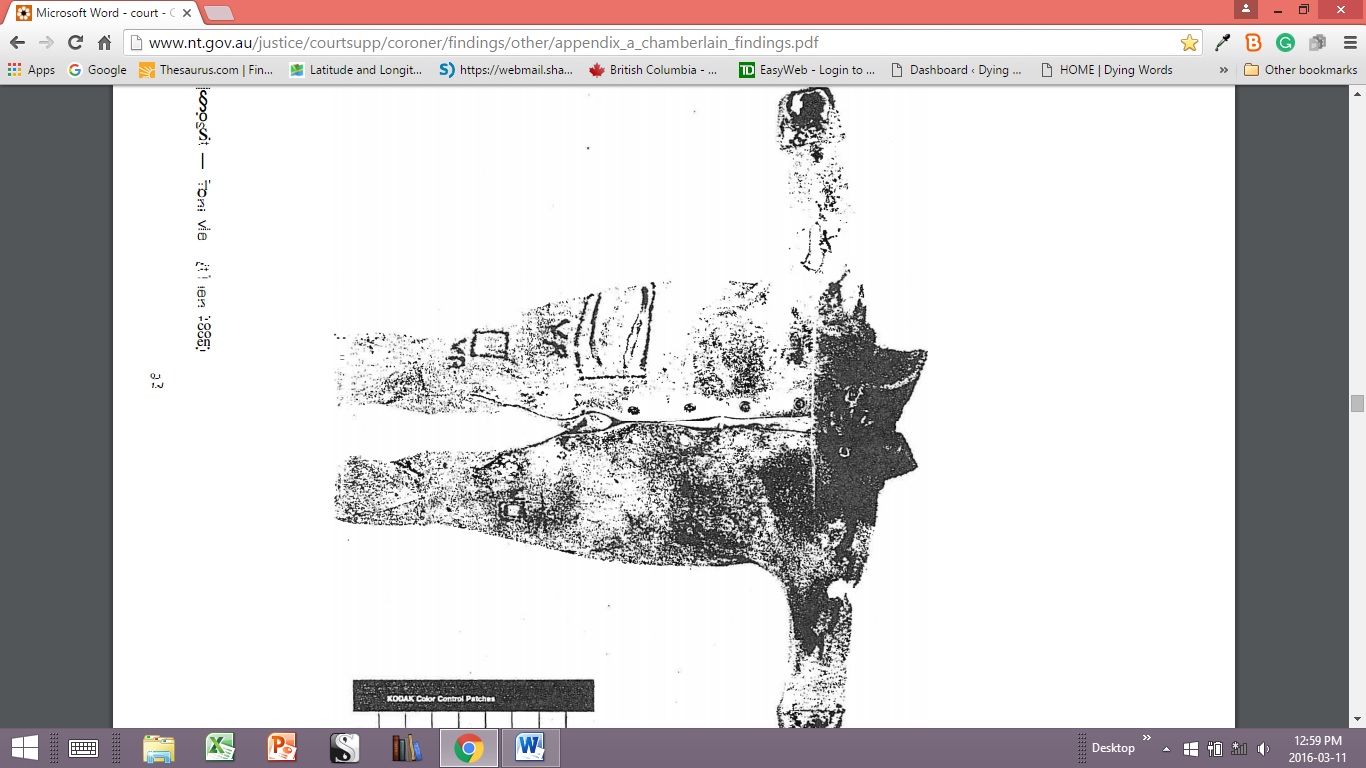
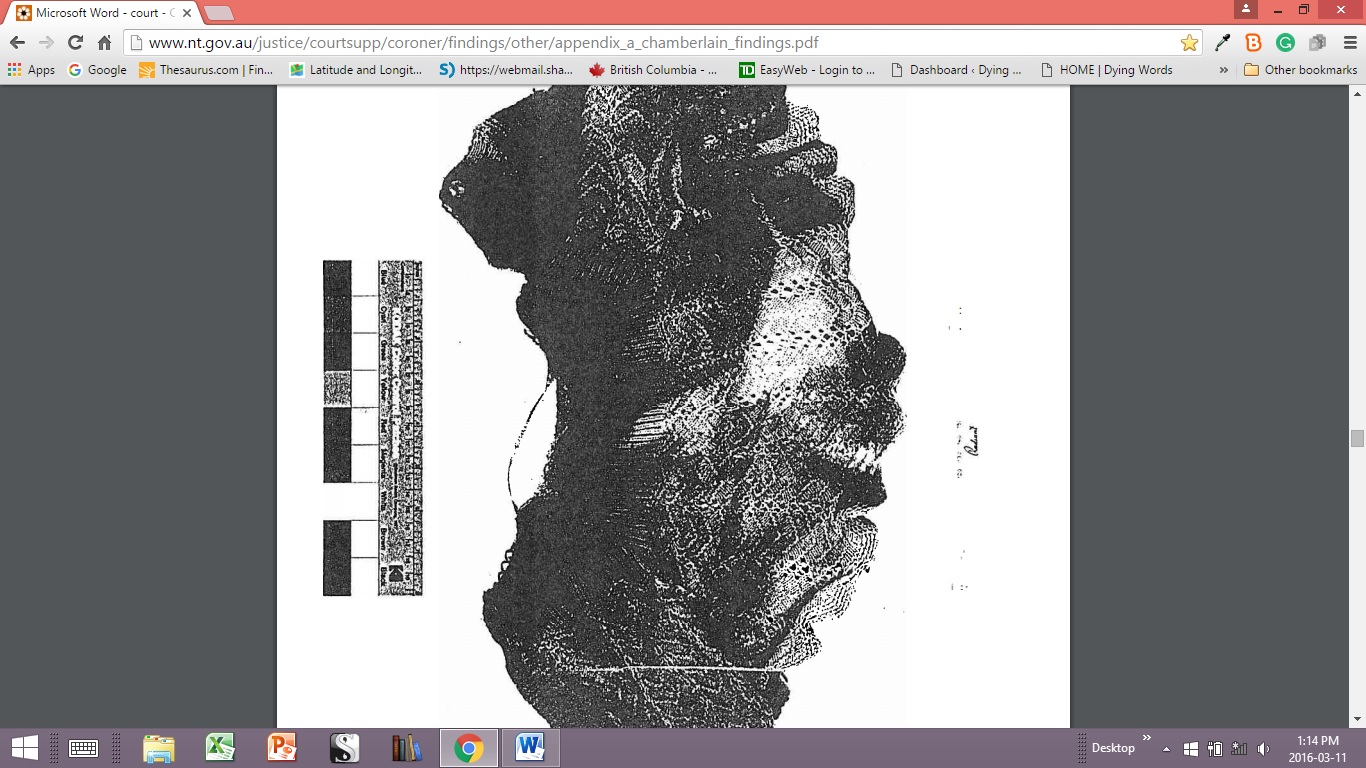
A17The examination found bloodstains on the upper part of the jumpsuit which showed a jagged perforation in the left sleeve and a “V”-shaped slice in the right collar. The singlet was inside out and the diaper fragments were shredded. The police officer who retrieved the garments failed to photograph their original position as had the original police officers attending the incident failed to photograph the scene. They also failed to properly examine and photo the tent’s interior which others reported was pooled and spotted with blood.

By now the Dingo’s Got My Baby case was getting international attention and the speculative rumor mill was alive in the media. “Dingos don’t behave like that!” self-appointed experts were saying. “It’s unheard of for a dingo to do this!” “Dingos can’t run with something in their mouths!”

A15Bigotry was emerging because the Chamberlains were Seventh Day Adventists with Michael being a professional pastor. “They’re a cult!” “They believe in child sacrifice!” “They were at Ayers Rock for a ritual!” “They always dressed the baby in black!” “The name ‘Azaria’ means ‘Sacrifice in the Wilderness’!”

When the first inquest was held in February, 1981, the media was in a frenzy and the police were covering their butts. The coroner ruled Azaria’s death was due to a dingo attack, despite there being no physical body to examine, and was critical of shoddy police investigation and of certain government officials of the Northern Territory who failed to provide the police with resources to investigate.

This threw fuel on the media fire and caused the authorities to start damage control.

A7A task force was formed to re-open the case, fittingly named Operation Ochre after the red sands of Ayers. It was headed by an ambitious police Superintendent with an aggressive field detective and was overseen by a politically-protective prosecutor. Collectively, they ran the investigation with the mindset that the dingo attack was implausible and that Lindy fabricated the story because she’d killed her own kid.

On September 19, 1981, Operation Ochre did a massive round-up of the original witnesses for re-interviews and raided the Chamberlains’ home. They seized boxes of items in a search for forensic evidence and impounded their car.

The investigation theory held that Lindy took Azaria from the tent to the car where she slit her baby’s throat, then stuffed her infant’s body in a camera bag. With husband Michael’s help, and after the searchers went home, they took their daughter’s body far away to the dingo dens, buried their little girl, then planted her clothing as a decoy.

There wasn’t the slightest suggestion of motive or any consideration of how the Chamberlains were stellar in reputation.

A6The vehicle was forensically grid-searched over a three-day period by a laboratory technician with a biology background. Suspected bloodstains were found on the console, the floor, and under the dashboard which was described as at trial as an “arterial spray” pattern.

Blood was also found on various items taken from the Chamberlains’ home, known to be present in the tent at the time Azaria disappeared. The lab-tech confirmed the blood on Azaria’s jumpsuit was not only human—it was composed of 25 % fetal hemoglobin which was consistent with an infant’s blood.

This was the forensic cornerstone of the prosecution’s circumstantial case.

A8A second inquest was held in February, 1982. It was run as a prosecution—an indictment with the focus on proving a theory, rather than discovering facts. The Chamberlains were not privy to the “evidence” beforehand and had no ability to defend themselves. “Information” was presented by the lab-tech that blood from the car was consistent with fetal hemoglobin and, therefore, the baby must have bled out in the car.

Another forensic expert testified the cuts and bloodstain pattern on the jumpsuit were caused by a sharp-edged weapon, probably a pair of scissors, and were in no way caused by canine teeth.

Despite all the civilian witnesses testifying consistently as before, and corroborating the Chamberlains claims, the inquest deferred judgment and referred the case to the criminal courts.

A12

Lindy was tried for Azaria’s murder in September, 1982, and her husband was accused of being an accessory-after-the-fact. Over a hundred and fifty witnesses testified, many of those being forensic experts—some of considerable note. The Chamberlains were forced to defend themselves, funded by their church and donations by believers in their innocence. They had no access to disclosure of evidence by the prosecution and were kept on the ropes by surprise after surprise of technical evidence which they had no time nor ability to prepare a defense.

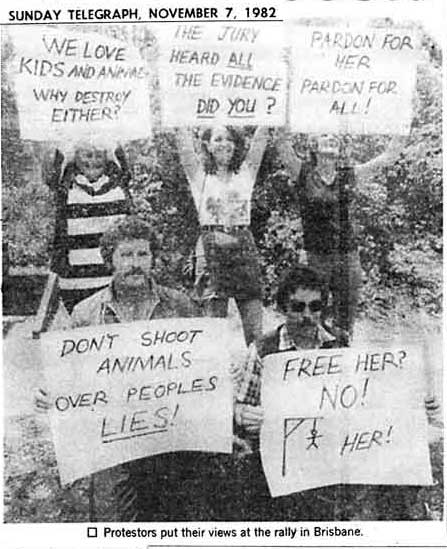
A20This trial was not just sensational in Australia. It was carried by all forms of world news—TV, radio, print, and tabloids. As big as the O.J. Simpson trial would become in America, the public were split on the question of Lindy’s guilt or innocence.

The jury bought the prosecution’s case that science was far more reliable that eye and ear witness testimony and the Chamberlains were convicted. Lindy was sentenced to life imprisonment with hard labor and Michael was given a three-year suspended sentence. A pregnant Lindy went directly to jail where their newest baby—a daughter—was born. Two appeals to Australian high courts fell on deaf ears. They found no fault in the application of law.

The Dingo Got My Baby case never faded from public interest. Many groups petitioned, calling for changes in the law and for a new, fair trial to be held. Pressure mounted on the Australian Northern Territory officials.

A18On February 02, 1986, a British rock climber fell to his death on Ayers Rock. During the search for his body, Azaria’s missing matinee jacket was found—partially buried in the sand outside a previously unknown dingo den. The examination found matching perforations in the coat consistent with the jumpsuit cuts.

News of this find caused a massive public outcry against the Northern Territory government and they reluctantly released Lindy from jail pending a re-investigation. A third inquest was a “paper” review that recommended the matter be sent back to the courts.

A Royal Commission of Inquiry into Lindy Chamberlain’s conviction was held from April, 1986, to June, 1987. It focused on the validity of the scientific evidence, rather than on legalities of court procedure.

A21The jewel of the forensic crown—the fetal hemoglobin in the family car bloodstains turned out not to be blood at all. The drops were spilled chocolate milkshake and some copper ore dust while the “arterial spray” was overspray from injected sound deadener applied at the car’s factory.

The clothing cuts became an Achilles’ Heel and toppled the case because the expert witness by now was discredited in other cases resulting in wrongful convictions. New forensic witnesses, with more advanced technological expertise, testified the cuts were entirely consistent with being mauled by a dog.

In September, 1988, the Australian High Court quashed the Chamberlains’ convictions and awarded them $1.3 million in damages—far less than their legal bills, let alone compensating their pain and suffering.

A1The High Court never said Lindy was innocent, though. It rightfully set aside her conviction but made no amends in publically proclaiming innocence.

It wasn’t until 2012, that Lindy’s perseverance forced the fourth inquest. The presiding coroner classified Azaria Chamberlain’s death as accidental—being taken and killed by a dingo.

Coroner Elizabeth Morris had the decency to publically apologize to Lindy on behalf of all Australian authorities for a horrific, systematic miscarriage of justice.

Coroner Morris also had the class not to single out individuals. Without her saying, it was evident the police, prosecution, and forensic people instinctively reacted as they’d been trained to react—and that was to individually find evidence to support their case interest and not to follow what didn’t fit.

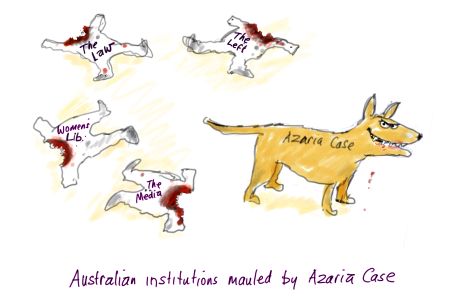
And Coroner Morris was careful not to burn the media.

A23Lindy’s situation was a media dream, having all the elements of a thrilling novel—mystery, instinctive fears, motherhood, femininity, family, religion, politics, and an exotic location combined with courtroom and forensic drama.

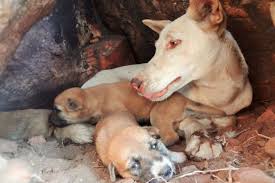
And it came at the expense of an innocent human mother who’s baby girl got taken by a wild animal—probably a mother dingo instinctively trying to feed her own family.

*   *   *

Here are links to more information on the Chamberlain travesty:

Report of the Royal Commission of Inquiry  Click Here

Lindy Chamberlain – Creighton’s website  Click Here