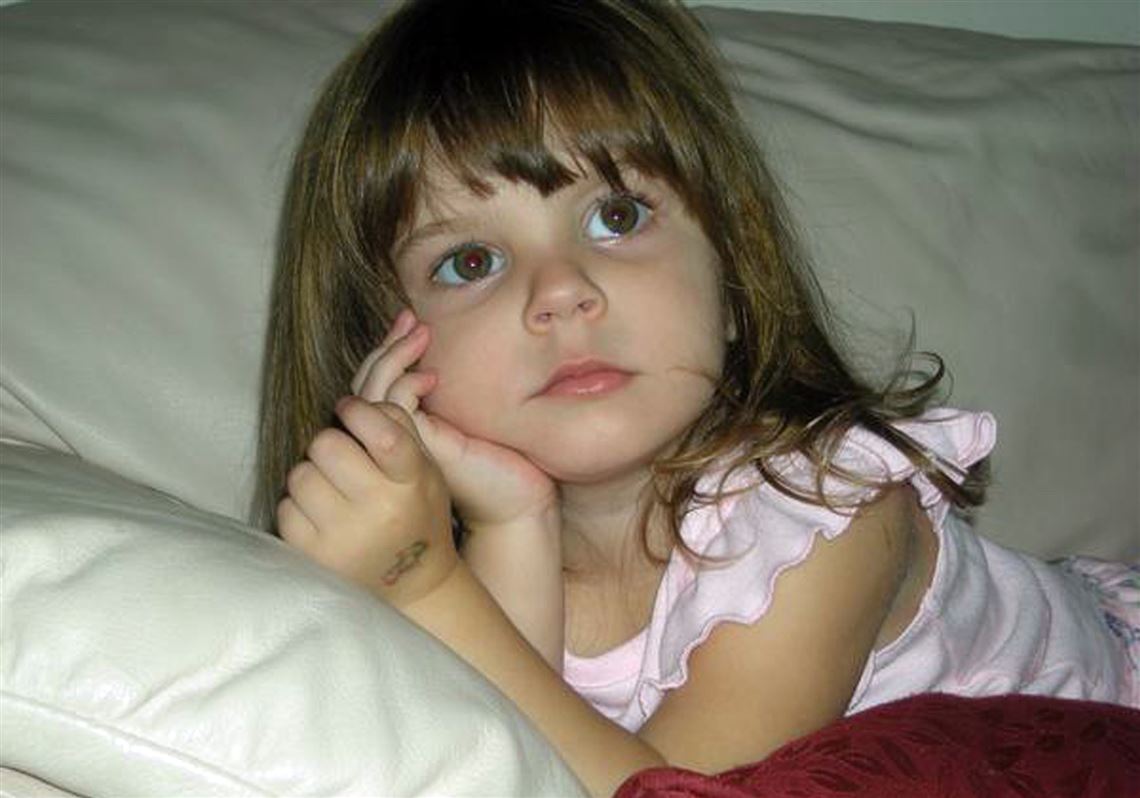
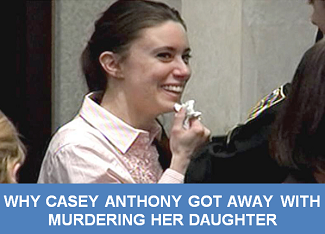
 In October of 2008, Casey Marie Anthony of Orlando, Florida was charged with intentionally killing her two-year-old daughter, Caylee. Casey Anthony, then twenty-two, was indicted on first-degree murder and other homicide-related counts. She faced the death penalty. After a forty-three-day, media-sensation trial, the jury let Casey Anthony off on all matters relating to Caylee’s death with one-exception. That was lying to police during her toddler’s missing person investigation.
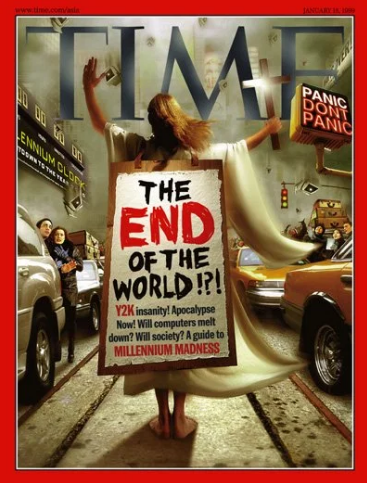
During the jury trial, Casey Anthony’s case became a social media sensation on par with the TV spectacle back in the O.J. Simpson days. At one point, Time Magazine labeled her as “the most hated woman in America”. The public who followed the proceedings overwhelmingly viewed Casey Anthony as an immoral, immature and incredible piece of “white trash”. Even Anthony’s high-profile lead lawyer, Jose Baez, referred to her as a “lying slut” during his closing remarks to the jury.
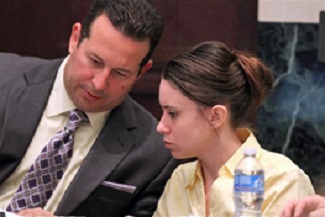 However, Jose Baez used those remarks to Anthony’s advantage. He portrayed how his client was misjudged by the mainstream and how the prosecution failed to prove “beyond a reasonable doubt” that the evidence was sufficient to support a conclusion that Casey Anthony deliberately planned and premeditated Caylee’s death. Here’s a look at why Casey Anthony was wrongfully acquitted and got away with murdering her daughter.
The Background
Casey Anthony was born on March 19, 1986 to George and Cindy Anthony of Orlando. George Anthony was a police officer and his wife, Cindy, was a homemaker. They had a son, Lee, who was older than Casey. By all later accounts, this family was anything but functional.
Casey was an outgoing and highly social kid. She was also notorious for bending the truth and pushing boundaries. Casey became pregnant with Caylee at age nineteen and, to this day, there is no official record of who the biological father was.
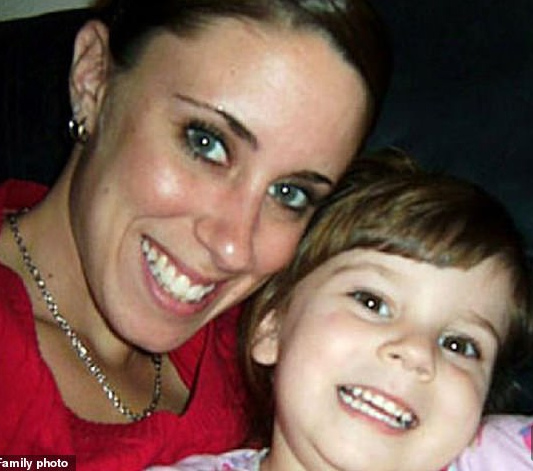 Casey Anthony was also unemployable. She bounced between jobs including one she got fired from at Universal Studios. She remained living with her parents who financially supported Casey and Caylee. By the summer of 2008, Casey Anthony was partying hard and neglecting Caylee for extended periods during which the grandparents cared for the little girl.
Caylee Anthony was last seen alive on June 16, 2008. She was with her mother, Casey, and they left George and Cindy Anthony’s home to spend time with Casey’s new boyfriend. After not hearing from Casey and Caylee for days, the senior Anthony’s began to get worried and suspicious. Casey made numerous conflicting statements to her parents about Caylee including one story that a new nanny was sitting for her.
After one month of absence, George Anthony learned that Casey’s car was at a tow yard. He went to recover it and notices a strong smell coming from the trunk. He feared the worst and expected to find his dead and decomposing granddaughter when he opened it. Instead, the trunk only contained a bag of rotting garbage.
The Investigation
Still, the Anthony’s were concerned enough about Caylee’s condition that they called the Orange County Sheriff’s Office to file a missing person report. This was on July 15, 2008. The police interviewed Casey Anthony the next day who told them that a nanny by the name of Zenaida Fernandez-Gonzalez had been hired to look after Caylee but refused to return her. Effectively, this was now a kidnapping situation.
As the police dug deeper, they found Casey Anthony’s statements to be false and misleading on four points. She was arrested and charged with the felony offenses of misleading the police and obstructing a criminal investigation. Casey spent a month in jail before she was able to raise a bail bond.
Meanwhile, the police moved their investigation focus from a missing child to a murder case. They processed Casey Anthony’s car and used a novel forensic technique to analyze the trunk air. Laser Induced Breakdown Spectroscopy (LIDS) examination identified airborne particulates consistent with a decomposing body. Two cadaver dogs also gave positive indications when smelling the car.
One human hair was removed from the trunk. It was matched as similar and consistent with Caylee’s known samples from her hairbrush. However, no DNA testing was done to make a positive identification and would become an evidentiary enigma at trial.
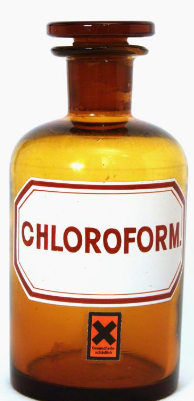 The police also searched computer drives on devices that Casey had access. Data retrieval experts found searches for key words and phrases like “chloroform”, “how to make chloroform” and “neck+breaking”. One examiner stated he had retrieved 84 incidents where Casey Anthony allegedly searched the word “chloroform”.
This information or evidence was brought to a grand jury. They returned a Capital murder indictment on October 18, 2008. Casey Anthony was re-arrested and, this time, she was denied bail.
Caylee Anthony’s body was found by a utility worker on December 11, 2008. It was in a wooded area near the Anthony family home about a ten minute walk from the property. Little Caylee was in an advanced decomposition state and had been stuffed inside a plastic garbage bag and wrapped in a blanket identified to her bedroom.
A forensic pathology examination did not determine the exact cause of Caylee’s death. She was too decomposed for that. There was, however, a highly-incriminating piece of evidence indicating foul play. A piece of duct tape—the duct tape murder weapon—was stuck across what would have been her nose and mouth. Caylee Anthony’s death classification was ruled a homicide.
The Jury Trial
From the moment Casey Anthony was arrested on her obstruction of justice charges, her case took on a life of its own. This was the dawning of social media outlets and the height of cable news networks. This sad and serious situation seconded the attention of people across the nation and around the world.
It had the stuff of crime novels and horror movies. Here was a lying and cheating promiscuous young mother who not only abandoned her female child but murdered her. Then, the blood-relative offender callously tossed the remains of a toddler in the bush. Mainstream America wanted Casey Anthony’s head and the prosecution team promised to deliver it. They elevated their game and filed for the death penalty.
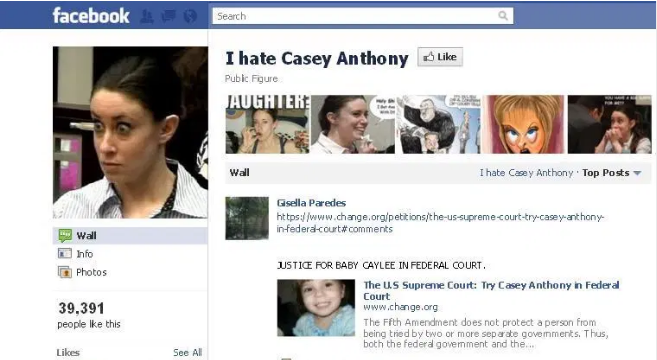
Orlando was aflame with rumor and speculation. So much so that it was unlikely to find an impartial juror. The state extended its jury poll range 100 west to Clearwater in Pinellas County. Selection started on May 9, 2011 and by May 24, the panel was selected, transported to Orlando and sequestered for the next forty-three days until they delivered a verdict.
Lorraine Drane Burdick headed the state prosecution. Jeff Ashton and Frank George aided her. Jose Baez led Casey Anthony’s defense and Cheney Mason, Dorothy Clay Simms and Ann Finnell backed him. Mark Lippman represented the parents/grandparents, George and Cindy Anthony.
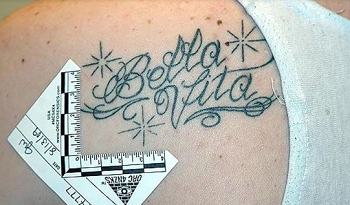 The prosecution opened their remarks to the jury by painting Casey Anthony as a thing of evil who deserved to die. They claimed Casey murdered her child so she could be free from parental responsibility and carry on a life of sex, drugs and rock n’ roll. An example was her excessive partying while Caylee was missing. To top it off, Casey got a new “Bella Vita” tattoo (meaning “Beautiful Life”) while Caylee was rotting in the rough. It was what the social media frenzy wanted to hear, and the state representatives assumed the jurors liked it too.
The defense took a different approach. They emphasized to jurors the state had absolutely no forensic evidence to prove their case and everything the jurors would hear was circumstantial or hearsay. Jose Baez took a calculated move. He told the jurist panel the state would offer no motive, no cause of death and no proof Caylee Anthony was intentionally killed. In fact, Baez said, there was every reason to believe Caylee accidentally drowned in the family swimming pool and it was George Anthony who covered-up and hid the body.
The hook was set and the jurors sat through 106 prosecution and defense witnesses. Some were forensic specialists. Some were civilians. And, some were members of the Anthony family.
The Case Falls Apart
Bit by bit, the defense team cross-examined expert and lay witnesses alike. Their constant focus was that no hard forensic evidence or “smoking gun” existed and therefore there was no conclusive proof of how Caylee Anthony died… or who killed her. All the while, the defense led by Baez suggested an accidental drowning and a panicked attempt at an in-family cover-up that Casey was not part of.
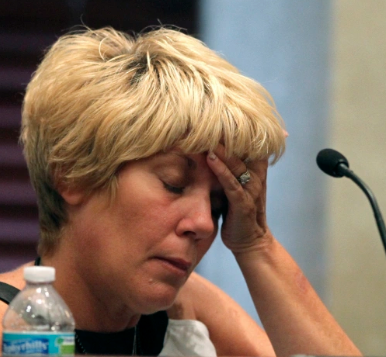 A big blow to the state was when the computer analyst evidence of “chloroform” searching fell apart. It turns out one expert witness used a flawed algorithm and the truth seemed to be that “chloroform” might have only been searched once. On the stand, Cindy Anthony (Casey’s mother) claimed it was she who searched “chloroform” but couldn’t explain why. The prosecution asserted Cindy was covering up for Casey. The defense used the issue as a wide and unsettling smokescreen.
George Anthony became a lightning rod for the defense. They painted him as a sadistic child molester who sexually, physically and psychologically abused Casey as she grew up and caused her to be the loose and lying character she was. The stress was so bad that George Anthony threatened suicide and had to be hospitalized for psychiatric observation.
During the trial, the Baez team never entered a lick of evidence that Caylee drowned or that George Anthony had one bit of involvement in her death, never mind abusing Casey. They accomplished their strategy through suggestion, innuendo and letting their powerful opening statement stay planted in the jurors’ minds while the prosecution failed to squash that misleading bug.
In closing to the jury, prosecution lawyer Jeff Ashton told the panel to use their common sense when deciding their verdict. “No one makes an accident look like a murder,” Ashton said.
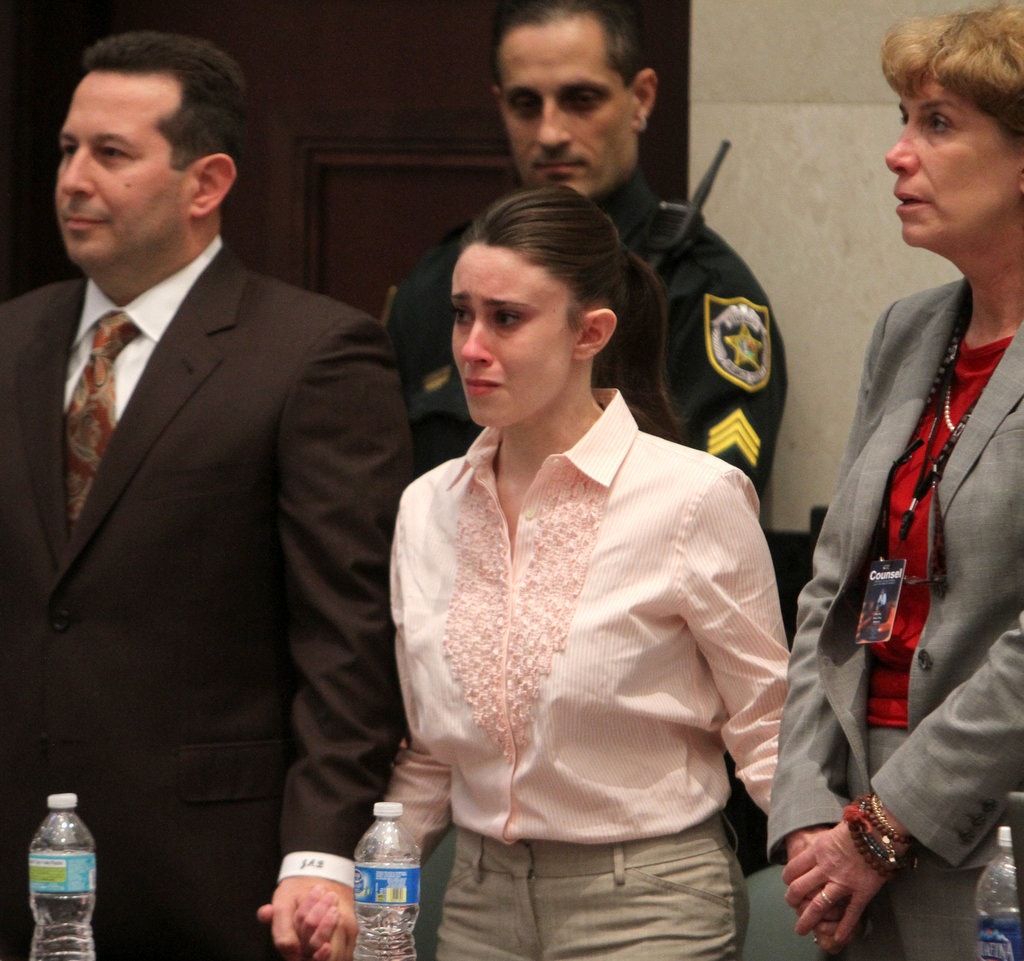 Jose Baez took a more strategic summation. He sensed jurors would base their verdict on emotion, not evidence. It might have been a gamble when Baez said, “If you hate her, if you think she’s a lying no-good slut then you’ll look at the evidence in that light. I told you at the very beginning of this case that this was an accident that snowballed out of control. What made it unique is not what happened, but who it happened to.”
He continued. “The burden rests on the shoulders of my colleagues at the state attorney’s office. They must prove their case beyond all reasonable doubt and jurors are required, whether they like it or not, to find the defendant not guilty if the state did not adequately prove its case against Casey Anthony.”
The jury deliberated for 10 hours and 40 minutes. On July 5, 2001 they returned with an acquittal on Casey Anthony for all charges except for the minor one of lying to police. Casey Anthony was granted time served, and she was out on the street in a week.
Why the Jury Acquitted Casey Anthony
There are two principles dear to Anglo-American criminal law. One is an accused is presumed to be innocent until proven guilty beyond all reasonable doubt. Second is an accused has the right to be tried by a jury of their peers. The peers must unanimously agree that all elements of the state’s case were supported by evidence that convinced them—beyond all reasonable doubt—that the accused committed the crime they were charged with.
That’s a big burden to carry. In Casey Anthony’s case, the jurors were not split on their decision. Each of the twelve jurors—unanimously—voted to acquit her because they felt—as a group—the prosecution failed to meet their burden of proof and did not take them—the jurors—over the threshold of doubt. Reasonable suspicion? Yes, in spades. But… not past reasonable doubt.
Why did this happen? There are twelve reasons. Some were acknowledged in public interviews jurors gave to media sources after the trial. Others are identified by psychologists and criminologists who’ve had nearly a decade to dissect the Casey Anthony case.

1. Casey Anthony’s legal defense team did a better job relating to the jury than the prosecution did. Jose Baez led a masterful coup of jurors’ emotions and used them to neutralize their feelings against Anthony. From his opening remarks, he and his support staff implanted seeds of doubt to have jurors discharge their duty in Anthony’s favor.
2. George and Cindy Anthony were unreliable witnesses. The jurors saw enough of their dysfunctional home structure to truly wonder if the grandparents had some part they weren’t telling. It was one more brick in the reasonable doubt wall. Jurors were initiated with the accidental drowning theory and they never got past it, regardless that no proof of an accident ever surfaced.
3. The “CSI Effect” came into play. This is a relatively new phenomenon with juries who’ve been exposed to TV shows and movies where the screenwriters manage to solve—beyond all reasonable doubt—their plot within their time frame through some sort of scientific or forensic proof. This didn’t happen in the Anthony trial, and throughout the defense kept using the term “fantasy forensics”.
4. Jury members got hung up on issues of motive and cause of death. Neither is a required element in proving a murder case, although they’re certainly nice to have to shore up a prosecution. Because the state never proved either motive or cause of death, the defense capitalized on this to further form doubt in the jurors’ view.
5. The prosecution became overzealous in persecuting Casey Anthony. Long before the trial, the state attorney’s office sought and got death penalty approval. They never relaxed on it. It was too much responsibility for the jury to know might send a young woman to her end if they convicted Casey Anthony with any sort of doubt in their minds.
6. The defense did an outstanding job of deselecting jury members. They “deselected” people rather than “selected” them. This was a truly unique approach. The defense team painstakingly used social media boards to build a profile of what a sympathetic (to the defense) juror would look like. They used this formula to question potential jurors and deselect or disqualify 392 candidates who didn’t fit their ideal profile.
7. The selected and accepted jury members were analytical types. They were interested in hard proof and not circumstantial evidence. When the “fantasy forensic” ruse set in, the jurors became more and more doubtful they had any concrete evidence to convict Casey Anthony.
8. The jury was sequestered. They spent nearly a month and a half locked together. Humans being what they are, jurors quickly became a tribe. Leaders and followers emerged through group dynamics. Most humans prefer harmony to discord, and they naturally compromised in agreements. The Casey Anthony jury became one unit during their sequester period, and they solidified towards giving Anthony the benefit of the doubt despite compelling circumstantial evidence.
9. The jury played favorites with the lawyers. Jose Baez came across as a genuine, likeable person. In the words of one juror later interviewed, “He seemed like the only one in the room who cared. Jeff Ashton was ambitious and arrogant. He was mechanical and cold and we didn’t like him.”
10. Jury members caved-in. In another interview, a Casey Anthony juror said, “We did our first vote and it came out half to acquit and half to convict. We talked about it for a while going through the evidence. I’d say some people got intense, but there were no personal attacks, no yelling. Then the vote was 11-1 to acquit. The one guy who wanted to convict basically looked at us and said, ‘Okay. Whatever you all want.’ He knew he wasn’t going to convince us.”
11. The prosecution failed to deliver clear, relatable and understandable circumstantial evidence. Still another juror had this to say. “The prosecutors didn’t give us enough evidence to convict. They gave us a lot of stuff that made us think she probably did something wrong, but not beyond a reasonable doubt. The prosecution didn’t even paint a picture for me to consider. How can you punish someone if you don’t know what they did?”
12. The jury members gradually diminished their common sense. “No one makes an accident look like a murder.” They forgot the big picture—the duct tape murder weapon. This became not a trial about who intentionally killed an innocent and defenseless child. Here was a horrible mother who did not report her missing daughter and compounded the tragedy by lying to the police about what happened.
Casey Anthony refused to take the witness stand.
She had her chance to explain. There’s no other rational conclusion. Casey Anthony murdered Caylee and the jury wrongfully acquitted her.