Tag Archives: Germany

WERE HITLER’S LUFTWAFFE PILOTS WIRED ON SPEED?

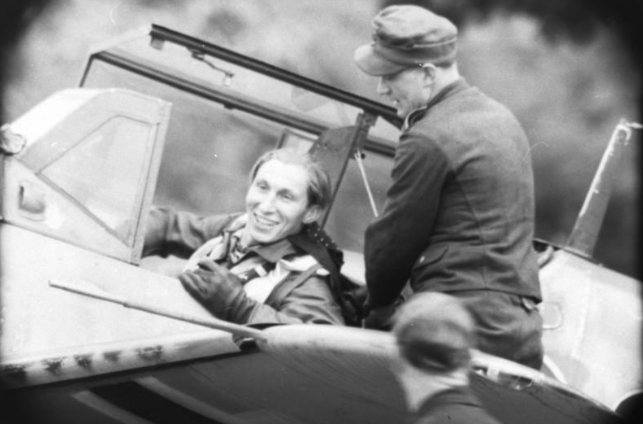
Let’s time-travel to 1940 and climb inside the cockpit of a German Air Force Messerschmitt Bf 109. The Luftwaffe pilot at the controls hasn’t slept in nearly three days. His pupils are dilated, his hands are steady, and his focus is razor sharp. He’s flying on more than av-gas and adrenaline—he’s flying on methamphetamine—speed as it’s commonly called on the street.

Pervitin, the brand name for methamphetamine or meth in Nazi Germany, wasn’t some top-secret wonder drug. It was mass-produced, passed around like breath mints, and handed out to Axis troops in the millions. This pharmaceutical stimulant, also known in a form called crystal meth or ice, fueled one of history’s most aggressive military machines. But it also left a wake of destruction, back in that war and now in our attempt at keeping peace on our modern-day streets.

What Exactly Is Methamphetamine?

Methamphetamine is a specific synthetic stimulant that belongs to a broader class of drugs known as amphetamines. Structurally, it’s like dopamine and norepinephrine—two neurotransmitters that play a key role in human motivation, attention, mood, and arousal.

When meth enters the bloodstream, it crosses the blood-brain barrier quickly. Inside the brain, it floods the synaptic clefts with dopamine, while also preventing its reuptake. This creates a chemical bottleneck—one that leads to an unnatural surge of euphoria, energy, and hyperfocus. Users feel confident, invincible, and tireless.

Physiologically, meth elevates heart rate, blood pressure, and body temperature. It suppresses appetite and overrides the body’s normal sleep cycle. Psychologically, it induces a profound sense of well-being—followed by devastating crashes, anxiety, paranoia, and hallucinations. Chronic use leads to neural toxicity and long-term damage to the brain’s dopamine system, contributing to psychosis, cognitive decline, and profound depression.

Pervitin, the methamphetamine compound dispensed to Nazi flyers and ground pounders, was particularly potent. Each tablet contained 3 mg of methamphetamine hydrochloride—roughly equivalent to a strong recreational dose today. Axis airmen were known to consume dozens over the course of a week.
Medical Madness: How Nazi Scientists Pushed the Limits

Dr. Otto Ranke, a military pharmacologist, was the architect behind Pervitin’s deployment in the Wehrmacht. He believed fatigue was the ultimate enemy and chemical warfare the ultimate answer. Under his guidance, military medics tested Pervitin in controlled experiments—monitoring heart rates, alertness levels, and combat performance in dosed vs. sober units.

In 1939, 35 million Pervitin tablets were sent to German soldiers in anticipation of the Blitzkrieg in Poland. In the 1940 France campaign, Nazi stormtroopers and tank crews blitzed hundreds of miles with no rest, thanks to constant dosing. Luftwaffe pilots flew long sorties with heightened aggression and tunnel-visioned intensity.

One extreme example involved Luftwaffe pilot Siegfried Hess, who reportedly flew over 40 hours with only brief breaks, fueled entirely by methamphetamine. After his mission, Hess collapsed and suffered a psychotic breakdown. He never flew again.

Pervitin in the Cockpit: Highs and Horrors

Speed gave Luftwaffe pilots an edge—short-term. They were more alert, less inhibited, and far more aggressive. Some described entering a kind of god-mode, where time slowed down and every decision felt intuitive.

But the chemical edge came at a severe cost. Sleep deprivation combined with meth-induced overdrive led to hallucinations, blackouts, and crash landings. One bomber pilot, Karl Lange, testified post-war that during a night mission over London, he hallucinated enemy planes attacking from above and opened fire on his own escort fighters.

Commanders initially praised such intensity. But as the war dragged on, they saw the consequences—fractured judgment, psychotic behavior, and moral detachment. Many pilots became erratic, insubordinate, or suicidal. By 1941, the Nazi command began curbing open distribution of Pervitin—but by then, addiction was widespread.

The Allies Jump In

The Allies were not immune to the chemical temptations of war. British troops were issued Benzedrine inhalers (another form of amphetamine), and the RAF distributed pills to bomber crews flying the deadly “round trip” missions over Europe.

The U.S. military adopted amphetamine use during the North African campaign and later in the Pacific Theater. One case involved American paratroopers in Operation Market Garden who reported taking Benzedrine before jumping behind enemy lines. They claimed the drug gave them courage, numbed pain, and kept them going when they otherwise would have collapsed.

Still, the Allied usage was more regulated. Unlike Nazi Germany, where drug use was institutionalized and systemic, the Allies saw amphetamines more as tactical aids—not ideological tools.

From War to Addiction: The Post-War Fallout

After the war, millions of Pervitin tablets remained in circulation. In Germany and Japan, they were sold illegally or hoarded by veterans. Addiction soared. Civilians, many suffering from post-war trauma and poverty, turned to meth as a coping mechanism.

One of the most telling stories came from Japan. Known as “Philopon,” meth was handed out to kamikaze pilots before missions. After the surrender, leftover supplies flooded the streets. By 1950, Japan faced its first meth epidemic—one so severe that special task forces were formed to combat widespread addiction and crime.

In the United States, pharmaceutical amphetamines became a staple of the 1950s and 60s counterculture. Truckers used them to stay awake. Students and housewives turned to them for weight loss and productivity. By the time the government recognized the public health crisis, millions were already hooked.

The Physiology of Long-Term Meth Use

Unlike cocaine or alcohol, meth causes lasting changes in brain chemistry. Repeated use shrinks gray matter, erodes dopamine receptors, and damages the prefrontal cortex—the seat of judgment and impulse control.

Heavy users often develop “meth mouth” due to dry mouth, grinding, and poor hygiene. Skin sores result from obsessive picking—a behavior linked to sensory hallucinations known as “formication,” or the sensation of bugs crawling under the skin. Chronic users show signs of schizophrenia, including auditory hallucinations, paranoia, and violent mood swings.

In one high-profile Canadian case, Vince Li, a diagnosed schizophrenic with a history of meth use, beheaded a fellow bus passenger in 2008 during a psychotic break. Although he was found not criminally responsible due to mental illness, his meth abuse was cited as a key aggravating factor in his psychiatric decline. (For more on this tragic case here’s a link to the DyingWords post titled The Guy on the Greyhound Bus.)

Modern Militaries and the Ongoing Legacy

Methamphetamine use didn’t end with WWII. U.S. forces used amphetamines in Vietnam and even the Gulf War. The term “go pills” persisted well into the 2000s, with Air Force pilots issued Dexedrine for long sorties.

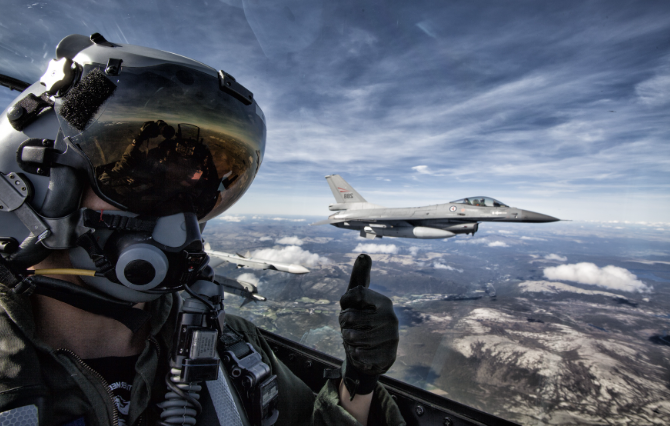
One tragic case occurred in 2002, when two American F16 Viper pilots mistakenly bombed Canadian troops during a mission in Afghanistan. Investigations revealed they were on military-issue amphetamines, raising questions about impaired judgment and the blurred line between alertness and recklessness.

Today, military doctrine is shifting. Modern forces focus more on fatigue management, rotation schedules, and cognitive tech. Yet the echoes of Pervitin and its synthetic siblings still ripple through defense policy and medical ethics.
The Scourge in Society Today

Globally, methamphetamine is one of the most abused drugs. It’s cheap to make, easy to distribute, and devastating in effect. Entire towns have collapsed under the weight of meth-related crime and dysfunction.

In British Columbia, my home province in Canada, meth use is linked to severe violence, prohibitively expensive property crime, uncontrolled gang activity, and deadly mental health crises. I’ve seen the toll firsthand on the street by my house—paranoid users attacking innocent strangers, psychotic events during arrests, and the heartbreak of families torn apart by addiction and overdose deaths.

Law enforcement and public health agencies try to work together to stem the tide. However, the socialist political system in British Columbia and its bizarre tolerance of drug abuse makes it nearly impossible to curtail the crisis. And sadly, the war on meth, like many wars, is far from over.

Thoughts from a Former Homicide Cop and Coroner

Pervitin was a military experiment in chemistry-fueled courage. In the end, it proved that no drug can shortcut the human condition. The Luftwaffe’s speed-fueled blitzkrieg bought Hitler early victories, but it also cracked the minds of his airmen—and laid the groundwork for one of the most addictive and destructive substances in human history.

As someone who’s looked into the eyes of meth addicts—both as a cop and a coroner—I’ll say this: meth doesn’t just ruin lives. It scrapes out the soul. It kills empathy. It reduces people to hollow shells, far darker than mere human husks.

So yes, Hitler’s Luftwaffe pilots were wired on speed. And we’re suffering the fallout today.
Powered by a Centaur System ©

WHO REALLY CAUSED THE HINDENBURG AIRSHIP DISASTER

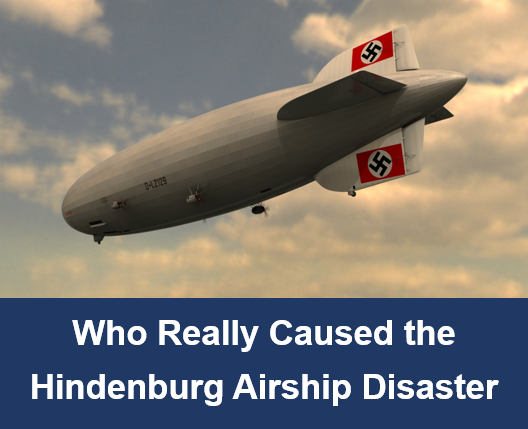
On May 6, 1937, the largest airship ever built caught fire and crashed at Lakehurst, New Jersey. The Hindenburg, or Zeppelin dirigible named after Hitler’s predecessor, Paul von Hindenburg, was completing a transatlantic flight from Frankfurt—already 12 hours late due to strong headwinds and deteriorating weather. The horror took 36 lives, destroyed the aircraft, and ended the airship industry. Over the years, there’ve been competing theories as to what happened, but little revealed about who really caused the Hindenburg airship disaster.

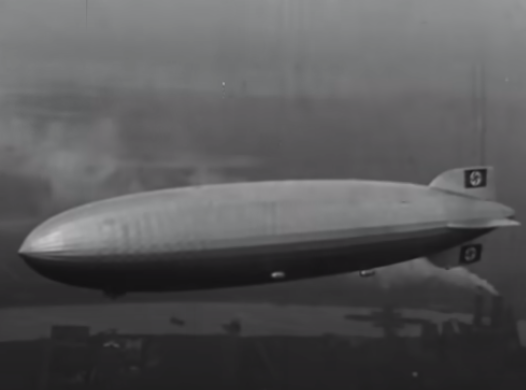
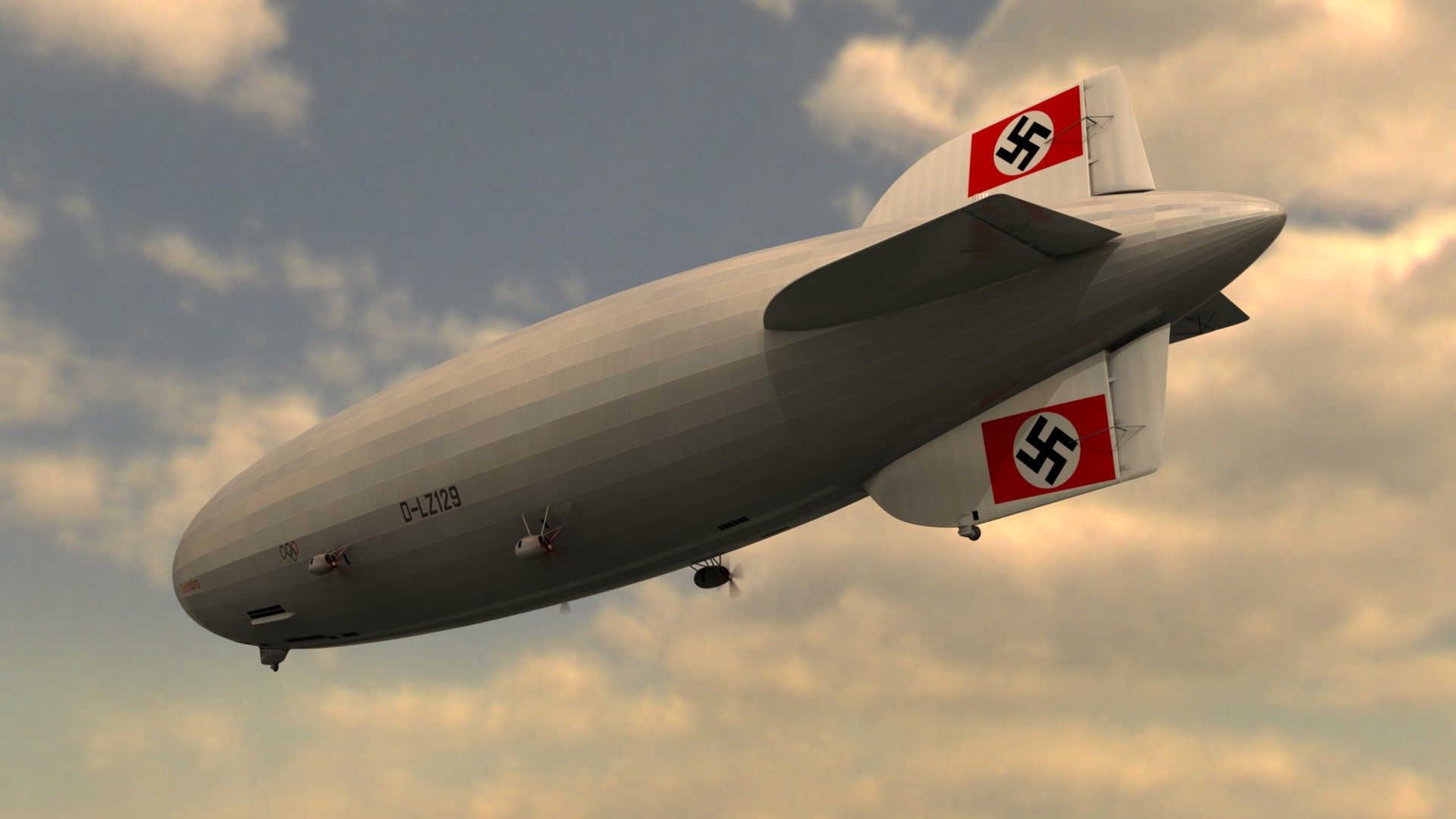
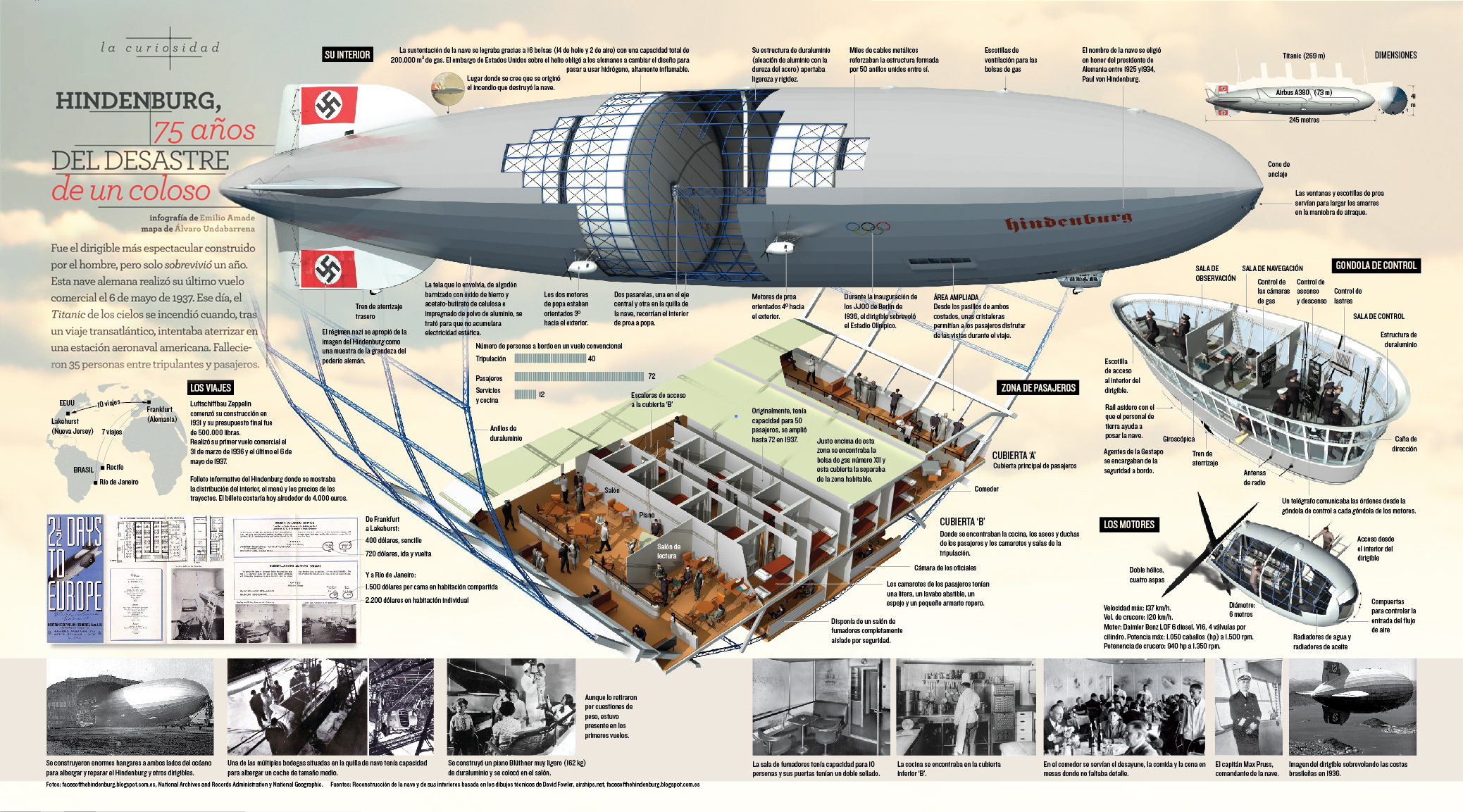
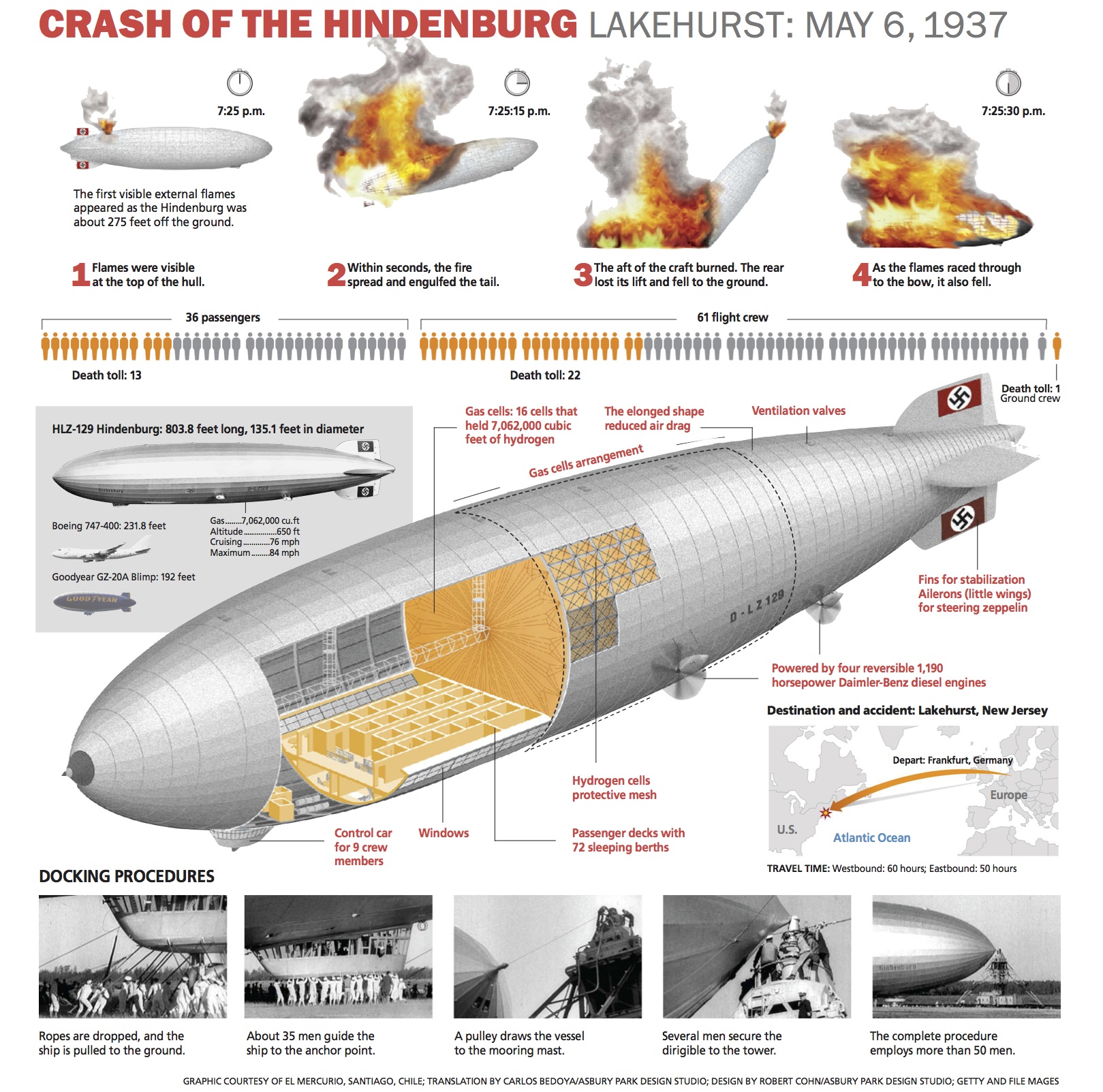
The Hindenburg was an impressive sight and a technological marvel of the time regardless that it bore Nazi swastikas on its tail. It was 804 feet long—three times the length of a Boeing 747 (79 feet shorter than the Titanic)—135 feet in center diameter and weighed 242 tons. That’s a massive amount of gravity pull for a lighter-than-air, hydrogen-filled vehicle.

When the Hindenburg airship erupted into a flaming ball, news cameras below caught the entire conflagration. It’s been shown on newsreels across the world and, today, it’s easily viewed on Youtube. The film is black and white, grainy, and reminiscent of pre-WW2 camera technology.

Click Here to watch the original Hindenburg burn and crash newsreel 

What the film doesn’t show is whose ideological ambitions and actions set a disastrous chain of events into motion. Let’s look at the history of the Hindenburg, its fatal flight details, the theories, and some chemical science before concluding who was directly or indirectly at fault in this terrible tragedy.

Germany began developing its airship program at the onset of WW1 with lighter-than-air vehicles serving as military surveillance craft. Upon the armistice that ended the Great War, the United States forced Germany to turn over their remaining dirigibles to the US Navy who housed the fleet at Naval Air Station Lakehurst. The Americans built an infrastructure to support the ships including tie-up towers so that the vessels didn’t have to directly touch land.

The Hindenburg (Luftschiff 129) was launched on May 4, 1936. It followed an earlier design called the Graf Zeppelin which debuted in 1928. By the time the Hindenburg was destroyed, the Graf had made 590 transatlantic trips covering a million miles and carrying 34,000 passengers without a safety incident. The Hindenburg had 34 accident-free trips in the year it was in operation.

Hindenburg was a next-generation airship. It was powered by four 1200 horsepower Daimler-Benz reversible diesel engines that rotated quad-bladed propellors. Without wind current effects, the Hindenburg cruised at 76 miles per hour which was over twice the speed of the fastest ocean liner. This was attractive to the time-conscious 1-percenters who could afford a ticket from Germany to America. Back then, the fare was $450 USD. Today the ride would cost $7600.

Construction details of the Hindenburg included a webbed steel frame covered by a cotton-based fabric treated with advanced (for the time) treatments. It had sixteen independent and sealed bladders to house the inflation gas which were made of gelatinized latex rubber. The flight control module was in the lower bow area, ahead of double decks for the passengers and crew quarters.

The Hindenburg rivaled the Titanic when it came to luxurious travel. Paying guests could experience fine food and wines as well as relax in a sealed smoking room. Because of the extreme fire danger onboard a gas-floated airship, passengers were removed of all spark and fire-triggering devices like cigarette lighters and matches.

The dangerous gas on the Hindenburg was 7,600,000 cubic feet of pure hydrogen. The ship, like other German dirigibles, was designed to use helium gas which was inert, not like extremely flammable hydrogen. There was a reason why Germany used hydrogen instead of helium.

The United States had passed a law called the Helium Control Act of 1927. Initially, this was to conserve helium reserves, but it was also to control a world monopoly on helium and discourage other nations from expanding their military versions of floating airships. As the Hitler-led Nazis became more and more of an obvious threat in the mid-1930s, the Americans became even more strict in supplying Germany with any gas for their air fleet—military or civilian. With Hitler in power, there was no way the Nazis could purchase helium, so with hydrogen being cheap and easy to produce (unlike helium) the Nazi-backed industry went ahead and used hydrogen.

“But hydrogen is so dangerous,” you say. “Why on earth would they put it in an airplane?”  Here’s a quote from a resource article I sourced:

The German attitude about hydrogen in airships was the same as our current attitude about gasoline in our cars. When you go to work, you’ve got 10 to 12 gallons of gasoline in your fuel tank which is far more explosive and dangerous than hydrogen. You don’t think anything about that because everything is operating as it is supposed to be.

The Hindenburg departed Frankfurt at 7:16 pm local time on May 3, 1937. Pilot Max Pruss and First Officer Ernst Lehmann were part of the 39-person crew who attended to 38 passengers. The ship took its regular route flying 650 feet over the Netherlands and then out over the Atlantic to meet the North American coast at Boston, continuing southward past New York City and docking at Lakehurst.

Because of unusually strong headwinds, the Hindenburg was a half-day late arriving. There was another docking delay—a significant thunder and lightning storm. Safety protocols for the hydrogen-loaded prohibited every craft from grounding during a lightning storm. It wasn’t the risk of the craft being directly struck by lightning while in flight. Many were and they were designed to take direct electrical hits as long as there was no grounding path for voltage transfer.

To understand what physically led to the Hindenburg’s destruction, it’s best to follow an extremely well-recorded timeline of events on the afternoon and evening of May 6, 1937.

4:15 — Hindenburg arrives at the mooring dock area. The electrical storm is ongoing, and the ground control directs the craft to loiter and wait out the storm.

6:22 — Ground control observes a weather break but expects conditions to worsen. They give the Hindenburg an order to make “the earliest possible landing”.

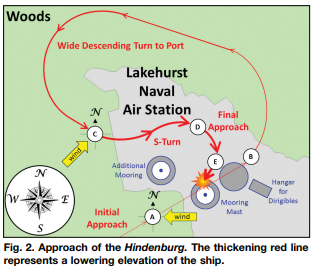
7:08 — Hindenburg returns to the mooring dock. It encounters strong easterly winds and bypasses the dock tower, making a wide circle past the dock and to the port or left side of the craft.

7:16 — Hindenburg reapproaches the dock but encounters a strong gust from the southwest. The pilot compensates by putting the craft in a tight and hard S-turn.

7:18 — Something serious happened. The ship’s stern begins to drop, and the crew immediately drops 300 kg of ballast water to adjust the buoyancy.

7:19 — The stern continues to drop. Two more ballast discharges of 300 and 500 kg are made. The pilot also orders six crew members to run to the bow to balance the weight.

7:21 — The Hindenburg was above the docking pad at 300 feet in elevation. The wet manila tethering ropes were cast from the ship and hit the pad, effectively electrically grounding the steel airframe.

7:25 — The ground crew begins winching the Hindenburg down to the docking portal. The fabric on top of the craft, right where the tail rises, begins to ripple and a yellow flame appears.

7:25:05 — The entire tail section erupts in an orange flame ball. The stern rapidly sinks.

7:25:10 — Now the rear half of the ship is engulfed in fire, and the tail is near the ground with the bow violently raised.

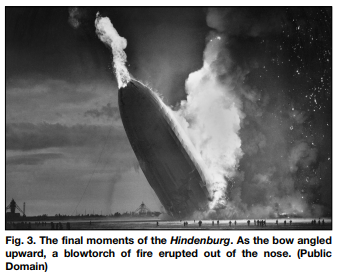
7:25:20 — The bow ejects a “flamethrower’ burst or flame jet from the nose.

7:25:34 — The Hindenburg is on the ground, completely consumed in flames.

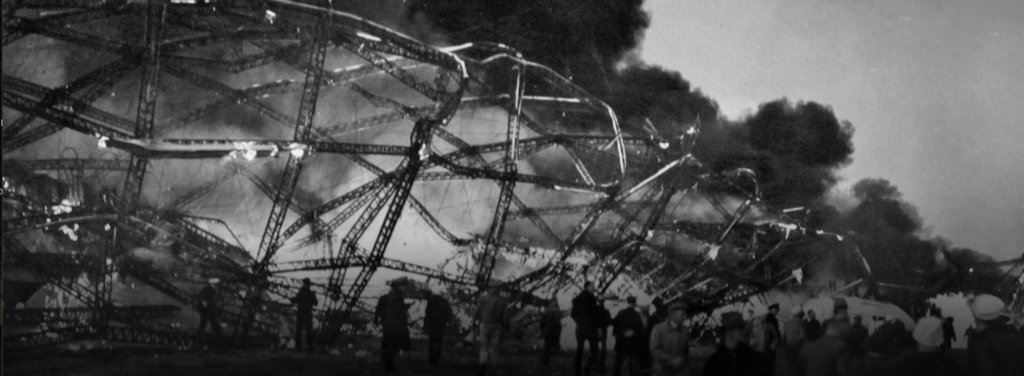
In the aftermath, the yellow-orange fire rapidly burns itself out, but the black smoke from the diesel fuel supply goes on for two hours. 35 people are dead at the scene including 13 passengers, 22 crewmen, and one ground worker caught underneath the ship. Over the next few days, several others died from their burn injuries.

The Hindenburg disaster effectively ended the floating airship industry. The public confidence was gone, and Germany suffered a black eye in the face of what was soon to be another world war. Besides, the airship model was already obsolete as heavier-then-air craft were already making transatlantic and transpacific flights safely and much more cost-effectively, not to mention the speed of modern airplanes.

This brings us to look at the theories as to what and who caused the Hindenburg disaster. This was an extremely high-profile world event. Naturally, conspiracy theories would show up. We’ll dismiss a few of the far-out suggestions before drilling down into the chemical science of how the Hindenburg was built and what really went wrong to cause such a catastrophic aircraft failure.

Sabotage — This theory holds no merit. There has never been any evidence to support the theory that someone intentionally scuttled the ship. However, the sabotage theory did come up in the official inquiry and it was raised by Captain Pruss as well as the naval base commander, Charles Rosenthal.

Lightning Strike — The weather at the naval base was continually recorded while the Hindenburg was docking and there was no electrical activity at the time. This is why they were making the dock. Hydrogen dirigibles were prohibited from making ground contact if lightning was present.

Engine Failure and Sparks — Again, there is zero evidence of this. The engines were in perfect working order. Besides, the sparks from a diesel engine’s exhaust would only reach 250C whereas hydrogen ignites at 500C.

Pilot Error/Crew Negligence — No real evidence of this either. At least, nothing intentional or supremely careless. This also applies to a hydrogen valve failing or being accidentally opened during the water balast discharges.

Catastrophic Mechanical Failure Causing a Chain Reaction in a Flammable Environment — This is the most likely scenario, and it takes some explaining. It’s necessary to look at the systems and structure of the Hindenburg to make some sense of the leading theory that has been discussed for years and analyzed by leading scientists and experts in the aeronautic industry.

The Hindenburg, like all dirigibles, was built with four interconnected systems. One was the airframe, skin, and stabilizers. Second was the flotation system with the hydrogen tanks. Third was the propulsion system. And fourth was the control system.

The airframe was a rib-work of honeycombed steel framing. There was nothing flammable about the steel and the grade was sufficiently high. It’s highly unlikely that the Hindenburg suffered any damage to the main frame which might have accidentally been broken. The same can’t be said of the stabilizers and supports.

The skin on the Hindenburg was extremely flammable. It was a cotton-based fabric that was treated with chemical compounds in a method called doping. This was common in the 1920s and 30s as many fixed-wing airplanes had fabric skins rather than metal. It was all about weight control.

In Hindenburg disaster terms, this is called the incendiary paint theory. It was developed in 1997 by Addison Bain who was a NASA engineer. Yes, a rocket scientist. He analyzed remnants of the Hindenburg skin that survived the crash and found the doping components were a mixture of Iron II Oxide (FeO3), Aluminum (AI), and Cellulose Acetate Butyrate (CAB). Mixing CAB and AI with Iron Oxide is a recipe for an incendiary bomb that goes off with what’s known as a chemical or pyrotechnical thermite reaction. It requires high heat to activate the thermite reaction, but having a hydrogen fire under the doped skin would do it.

The Hindenburg’s flotation system was a series of sixteen sealed rubber tanks with control valves for filling and releasing hydrogen. Hydrogen is perfectly stable and safe provided it’s contained outside of oxygen and away from an ignition source. The total hydrogen volume in the tanks was 7,600,000 or 475,000 ft3 per tank. By anyone’s standards, that’s a lot of fuel to burn.

There is no indication that the Hindenberg’s propulsion system failed. The Germans were, and still are, well-known for building dependable diesel engines and drive components. At the ignition, fire, and crash time, the four engines were operating normally. Also, the diesel fuel storage containers were not leaking and could not have contributed to the disaster. Note that the diesel fuel ignited after the main fire as evidenced by the following black smoke.

The control system also had no red flags. If there was a problem with controlling the Hindenburg, the crew would have known it. The Captain and First Officer survived to testify at the official inquiry and would have said something. The only unusual matter they reported was the stern suddenly sagging during the last seven minutes.

In an accident investigation process called case mapping, or root cause analysis, the method is to identify the outcome and then identify the events that caused it to occur. Let’s start with the outcome–the Hindenburg was destroyed, killing 38 people, wounding many others, and ending the airship industry. Why did this happen? Because the Hindenburg caught fire and crashed.

What caused the fire? Well, let’s stop for a bit and examine the first sign of trouble. That was the sagging stern. Why did the stern begin to sag? Because it was losing buoyancy. Likely, this was because buoyant hydrogen gas was leaking from a compromised bladder in the rear section.

What caused the bladder to be compromised and leak? It’s safe to rule out an intentional venting or discharge caused by the crew. It’s also safe to eliminate a faulty valve or the crew’s instruments would have detected the default. It’s far more likely that the bladder was damaged and punctured.

What could have ruptured the bladder? The first clue is this occurred in the furthest bladder to the rear. This is where the mechanical arms are for the rudder and stabilizer. The theory goes that one or more of the mechanical arms snapped and ripped open the bladder.

What could have caused an arm to snap? Let’s look at the event occurring two minutes before the sag started. At 7:16, the pilot executed the sharp S-turn to deal with a sudden wind gust. Up till then, everything was routine. It’s thought excess stress from the turn caused a rudder or stabilizer support arm to snap and rip right through the rubber bladder causing hydrogen to leak out and rise, filling the space above it—just under the skin.

Note that at 7:25, ground witnesses saw the skin begin to rumple at the base of the tail and a yellow flame appear. Five seconds later, the entire tail section was in an orange flame ball. From there, the fire progressively and quickly spread from the back to the front.

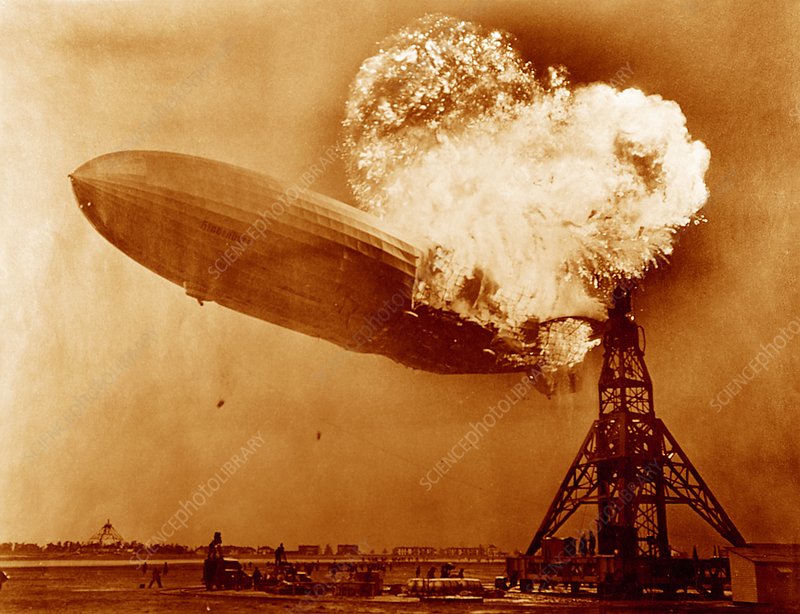
Hindenburg disaster, coloured image. View of the German airship Hindenburg (LZ 129) on fire over Naval Air Station (NAS) Lakehurst, New Jersey, USA, on 6th May 1937. This airship is famous for the Hindenburg disaster of 6th May 1937, when it caught fire and was destroyed during its attempt to dock with its mooring mast at NAS Lakehurst. Of the 97 crew and passengers on board 35 were killed, along with one member of the ground crew. The balloon was filled with hydrogen, a highly flammable gas. The cause of the accident has never been established but the disaster destroyed public confidence and marked the abrupt end of the airship era. Here the ships water ballast tanks (black dots, lower centre-left) can be seen falling.

Why was this happening? Logic says that the heat from the hydrogen-fueled and incendiary skin coating melted the other bladders and released more hydrogen at an enormous rate. The skin, being extremely flammable when heated to the thermite point, was consumed in under one minute.

It’s worthy to note the flame colors. Hydrogen, when pure and on fire, burns with a faint blue hue. The coloration is towards the ultraviolet scale and would be more noticeable in the dark than the light. The burning doped skin, however, has a different color scale and would present in the yellow-orange range which was reported by all witnesses. Diesel, being diesel, burns black.

So, it’s all well that we’ve identified the leak and the general cause of the fire. What we haven’t ascertained is what the ignition source was. We know what it wasn’t and that’s the engine sparks, and we’re certain the Hindenburg wasn’t struck by lightning. So where did the ignition source come from?

This is where the static electricity theory comes in. The thunder and lightning meteorological conditions in coastal New Jersey that evening were perfect for creating a static electricity buildup within a metal and fabric creation like the Hindenburg. Containing static electricity is safe when a structure is already grounded or remains afloat and ungrounded. However, the grounding act allows an instant electron flow from positive to negative or from the high source to the low source.

It’s likely when the aircrew lowered the wet manila tethering ropes at 7:21, the ground connection was made and the static buildup in the Hindenburg was released. It’s thought that within the metal airframe there was the right-sized gap between two metal components to create an electron jump known as a brush discharge which allowed a spark to ignite the runaway hydrogen gas that was mixing with oxygen. The ideal spot would have been between a broken metal support component and the steel frame, right above the furthest rear bladder that was ruptured and spewing flammable gas into the oxygen-filled space under the skin.

To me, who is trained by Think Reliability as an accident investigator using the cause mapping technique, this perfect storm of a dirigible built of incendiary skin over a steel frame encased leaked hydrogen into an oxygen-rich container and ignited by a spark started by a static electricity buildup arced through a gap between a broken member and its frame makes sense.

I’m satisfied this scenario is what caused the Hindenburg to burn and crash. Taking this a step further, who is to blame for all this? A natural cause mapping progression is to ask what piece of the puzzle could be removed or changed so this tragedy would never have happened. That’s eliminating hydrogen and replacing it with helium like the Zeppelins were originally designed for.

The bottom line? Germany, because it was an extremely dangerous, world menace under Hitler’s Nazi rule, could not obtain helium from the monopolistic Americans. The Germans went ahead and used hydrogen in a government-approved aerospace program. You could make an argument that Adolf Hitler, being responsible for the Nazi government, really caused the Hindenburg airship disaster.

THE TERRIBLE TRUTH ABOUT ADOLF HITLER’S REMAINS

The name “Adolf Hitler” is synonymous with evil. Pure evil. Hitler, or the Fuhrer as he self-titled, ruled Germany as chancellor and dictator from the rise of Nazism in 1933 until his death by suicide in 1945. During that time, millions of civilians and soldiers died and the Motherland was destroyed — a truly atrocious era in human history. Horrific as that time was, today there’s a terrible possibility a new monster could arise from Adolf Hitler’s remains.

From the moment Adolf Hitler expired, rumors circulated about what really happened to the Fuhrer’s body. Many witnesses were at Hitler’s death scene. Most saw his deceased form, and some admitted to help dispose of Hitler’s earthly evidence. Despite sworn statements and hard medical facts, few details were released to the Allies and the western world. That was because Russians did the investigation. Red Army Intelligence officers processed forensics that included autopsying and conclusively identifying Hitler’s cadaver.

Because of a lack of released information, speculation of Hitler’s survival soon started. Concocted conspiracy theories began, and there were sightings of the Fuhrer reported on every continent including a secret submarine base near Antarctica. Nazi hunters followed clues across Europe, in Asia, Africa, America and deep into Argentina. None paid off because the truth was the Russians had Hitler all along.
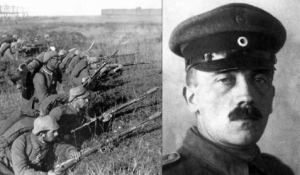
The truth is also that Hitler’s corpse made a remarkable journey from one hiding spot to another. He was buried and dug-up at least five times over a twenty-five year period. Today, tangible parts of Adolf Hitler still exist, and that leads to a modern biological possibility the Fuhrer could live again. Here’s the terrible truth about Adolf Hitler’s remains.

*   *   *

Adolf Hitler entered the world in 1889. His birthplace was near Linz which was then part of the Austrian-Hungarian alliance. Hitler moved to Germany in 1913 and worked as an aspiring architect but amounted to no more than a starving artist.

He served in the German Army during World War 1 and rose to a corporal rank. He was injured while running messages and spent most of the First World War on the sidelines. Following Germany’s surrender, Hitler immersed in trade union politics with the German Workers Party and soon got himself in trouble.


Hitler was jailed as a political prisoner after he led a failed coup. His lock-up during 1923 and 1924 gave him time to write Mein Kampf (My Struggle) which was his manifesto outlining his plan to gain dictatorial power in Germany and expand Aryan racial interests. Hitler also met Rudolf Hess who had significant influence in solidifying anti-Jewish hatred in Hitler’s psyche.

By the early 1930s, Adolf Hitler attained sufficient control through the National Socialist Party which were the Nazis. Hitler surrounded himself with particularly nasty men and used brute force to gain and maintain authority. Some were ideological psychopaths such as Heinrich Himmler. Others, like Herman Goering, were crass opportunists.

Hitler managed to establish massive support from the German population which included the Caucasians and excluded other races and cultures, especially the Jews. He formed plans to expand Germany’s empire and gain space for the blond-haired, blue-eyed pure Aryans. But, his 1939 action of annexing Poland started the Second World War and began his undoing.

One of Hitler’s massive mistakes was declaring war on Russia. From a historical point, there was no need to do this for Hitler to execute his manifesto. It seems Hitler went slowly mad and his delusions caused him to fatally overextend his armed forces’ capacity and the world turned on him through an unlikely Russian and western alliance.

By April of 1945, the war was nearly over and Hitler denied it. He was probably insane by this time which is backed-up by accounts of his inner circle who stayed with Hitler in his Berlin bunker until the Russians arrived. There were reports of Hitler collapsing in tearful rages and hysterically ordering non-existent army units into combat action.

On April 30, 1945, Adolf Hitler married his long-time mistress, Eva Braun, in the Fuhrer bunker. After a minor champagne celebration and dictating his last will and testament, Hitler and Braun retired to their chambers and committed joint suicide. Exactly how they did it and what became of their bodies turned into a world-class mystery. Some describe it as a parlor game full of crazy conspiracies.
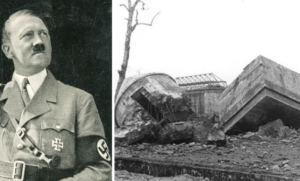
The best evidence of what really happened to Hitler and Braun comes from two sources. One is eyewitnesses who were in the bunker at the time. The other is scientific material carefully collected by the Russian government. The first information pool has the usual witness fallibilities. The second source has credibility issues due to Russian misinformation, concealment, and cover-ups.

There is absolutely no doubt Adolf Hitler died on April 30, 1945. That is uncontested by any credible opinion. Most accounts have Hitler using the “pistol and poison” method where he ingested prussic acid, or hydrogen cyanide, while putting a handgun in his mouth and pulling the trigger. All accounts indicate Evan Braun was not shot. Rather, she also took a cyanide dose.

Hitler clearly expressed his wish to have their bodies cremated. He’d learned of Italian dictator Benito Mussolini’s public execution where Mussolini’s body was hung by the feet and mutilated by the crowd. Adolf Hitler did not want that happening to him. He specifically instructed his staff to take his body out of the bunker and set in on fire in the garden.

This act is well recorded and supported by now-released evidence. Hitler’s aides poured some sort of petroleum fuel over the Fuhrer and Eva Braun. However, they were unable to create sufficient heat to consume the corpses and the cadavers were only charred.
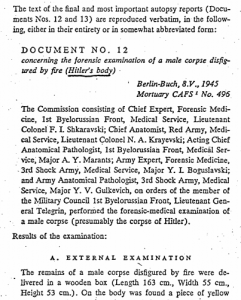
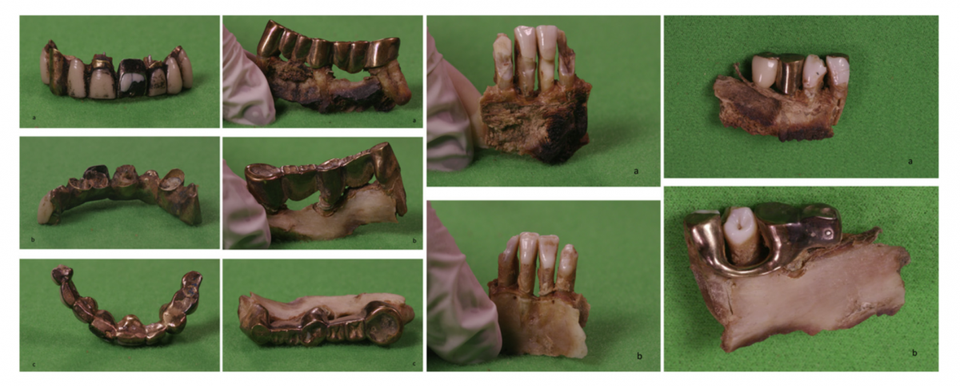
There were several attempts to increase the inferno, but time ran out. The Russians were on their doorstep and lobbing artillery rounds into the garden and at the bunker. Aides hastily dug a shell crater into a shallow grave and covered up Hitler and Braun’s burnt bodies.

The bunker occupants surrendered and quickly disclosed where Hitler and Braun lay buried. Russian medical experts arrived on May 4, 1945, and exhumed the grave. They took both bodies to a facility at Buch in Berlin and stored them above ground. Two Russian pathologists performed autopsies on May 10, and their report was publicly released under the Nazi War Crimes Disclosure Act in 2000.

Hitler and Braun were superficially scorched to the point of visual non-recognition. However, they were skeletally intact which included their organs being suitable for dissection. Braun showed no bullet wound but did exhibit post-mortem shrapnel damage. One pathologist noted this probably happened as an artillery round exploded while she was on fire. Glass shards and cyanide traces were in her mouth, and they listed Eva Braun’s cause of death as suicide by poison.

Adolf Hitler showed no conclusive sign of disease or any sudden medical event. As rumors always said, Hitler only had one testicle. His brain was biologically unremarkable, but it was traversed by a bullet passage. The pathologists could not identify an entrance wound and theorized it was probably through the mouth. There was also no notable exit wound or bullet slug itself. The report says Hitler’s upper cranial bone was missing, and they assumed it was blown off by the gunshot force.

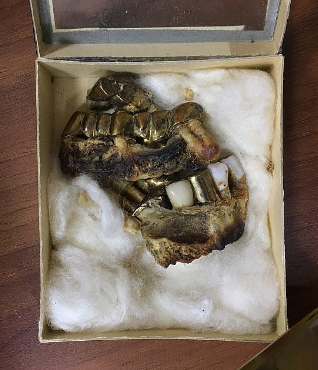
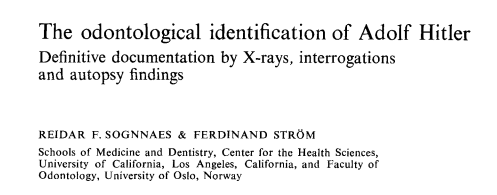
The pathologists conclusively found glass shards and cyanide traces in the Fuhrer’s mouth. They listed his cause of death as a combination of cyanide poisoning and a gunshot wound to the head. Something else they discovered in Hitler’s mouth was crucial to identifying his body. That was Adolf Hitler’s unmistakable dentition.

Hitler’s teeth were in terrible condition. His upper and lower mandibles were a mess of bridges and crowns with a sprinkling of natural enamel that enclosed tooth pulp. His gums were inflamed, and he had several extraction gaps that weren’t replaced. It was an odontologist’s dream when it came to making a postmortem identification.

The Russian pathology team located Hitler’s dentist and assistant who were thoroughly familiar with every part of the Fuhrer’s mouth. They viewed the dental work from the cadaver and produced Hitler’s complete records. They established there was absolutely no doubt whatsoever these dental works belong to the now-deceased Adolf Hitler.

Joseph Stalin, the Russian dictator, wasn’t so sure. Stalin was paranoid that his nemesis Hitler would come to haunt him by people believing Hitler was alive and hidden or having his body become a future Nazi shrine. Stalin stalled and ordered Hitler’s body temporarily buried with the dental work brought to Moscow for his inspection.

It’s not clear from historical records where Hitler’s body was temporarily interred. It seems he was stored in the Russian-occupied sector of Berlin. Once Stalin was satisfied Hitler was dead, and the dental work was conclusive identification, he began a misinformation campaign to deny this. Stalin’s motives for fooling the west have gone to the grave with him, but Stalin wasn’t finished with Hitler’s body.

On June 3, 1945, Stalin ordered Hitler’s remains exhumed from temporary storage and moved to a highly-secret and secluded spot. This was in the Brandenburg forest area southwest of Berlin. Hitler, and presumably Braun as well, were buried in wooden caskets which were more like shipping crates. They lay undisturbed for several months until Stalin had a change of plans.

For whatever reason, Stalin ordered Hitler dug-up again. On February 21, 1946, Stalin directed that Hitler be put under the ground at a parade square inside a Russian-held military base at Magdeburg, Germany. This spot was southwest of Brandenburg, but in a high-traffic area instead of a remote forest.

Joseph Stalin died in 1953. Russia carried on as the Soviet Union and entered the cold war. By 1970, Russia began turning occupied territory over to the East German government which was communist friendly. That included the Magdeburg base going back into German hands.

Yuri Andropov, who went on to be the Soviet Union leader, was the KGB head in the early 70s. Andropov knew Hitler’s body was under the Magdeburg parade square, and the last thing he wanted was a future German regime breathing life into Hitler’s memory by turning that site into a Neo-Nazi Mecca. Andropov had Hitler exhumed again and finally dealt with.

In the middle of the night on April 3-4, 1970, a secret shovel squad extracted what was left of Adolf Hitler’s bones and burned them. There are conflicting stories about what happened. Andropov is on public record stating the ashes were scattered in the nearby Elbe River. Work-party members state the bones were so dry that they vanished in smoke. And a few reports hint that Adolf Hitler was dumped into the city sewer system.
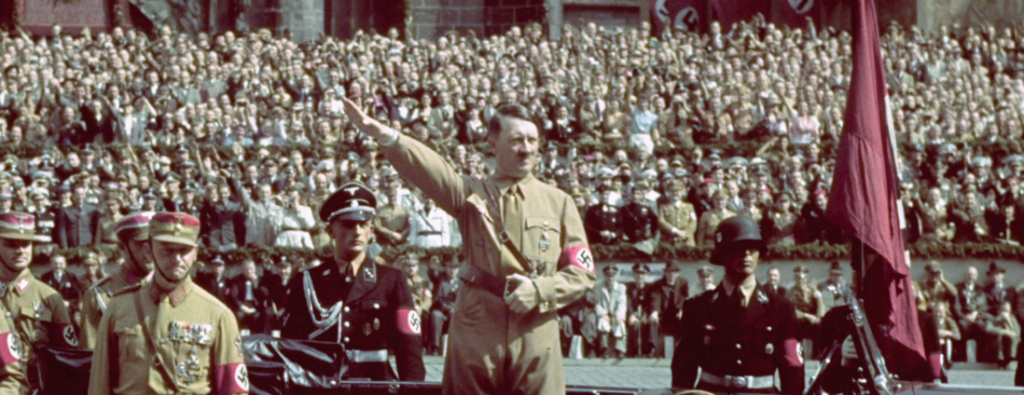
What finally took place with Hitler’s cadaver may never be known. However, there’s one thing for certain. Adolf Hitler’s teeth remain locked in a Kremlin vault. They’re resting there today.

What’s also certain is Hitler’s natural teeth contain his DNA. Those molecules stay preserved in the pulp. Hitler’s biological profile is encased within the enamel practically forever, and DNA can be cloned. Cloning Adolf Hitler was the plot in the 1978 blockbuster The Boys From Brazil. Back then, it was science fiction. Today, technology of DNA extraction and cloning zygote embryos into a surrogate mother is not sci-fi. It’s very, very, very real.

All it would take is some evil crackpot doctor like Joseph Mengele to steal Hitler’s tooth, saw it open, and start cloning away. That’s the terrible truth about Adolf Hitler’s remains.