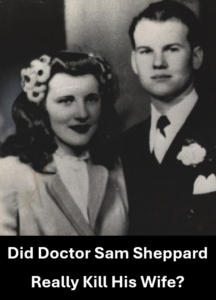
 In the early hours of July 4, 1954, in the quiet lakeside suburb of Bay Village, Ohio, a 31-year-old pregnant woman named Marilyn Sheppard was beaten to death in her bed while her seven-year-old son slept down the hall. Her husband, Doctor Sam Sheppard, was present and claimed he was knocked unconscious by a mysterious, unknown intruder who ransacked the house.
Within weeks, Sam Sheppard went from respected osteopathic surgeon to murder suspect, then to convicted killer before the U.S. Supreme Court blew his case wide open and turned it into a landmark ruling on fair trials and media influence. The crime inspired The Fugitive, shaped American law, and still sits there seven decades later asking the same simple question. Did Doctor Sam Sheppard really kill his wife?
That’s the heart of this piece. I’m not here to re-enact a TV drama. I’ll walk you through the facts, the forensics, the investigation, and the trials as cleanly as I can, then give you my best assessment as a former cop and coroner who’s spent a career examining gruesome death scenes and living through complex case files.
Here, we’re not working with the criminal standard of “beyond all reasonable doubt.” We’re looking at something more practical. On the balance of probabilities, and in light of reasonable doubt, what do the Sam Sheppard facts really say?
This case matters for three reasons. First, the brutality and mystery of Marilyn’s death have never been fully resolved. Second, the legal fallout—from a media circus trial in 1954 to the Supreme Court’s 1966 decision in Sheppard v. Maxwell—changed how courts think about prejudicial publicity and fair trials. And third, in the 1990s and 2000s, DNA testing and a very plausible alternate suspect added new layers that force us to rethink what we thought we ought to know.
Let’s start with what we can say for sure.
A Murder in Bay Village
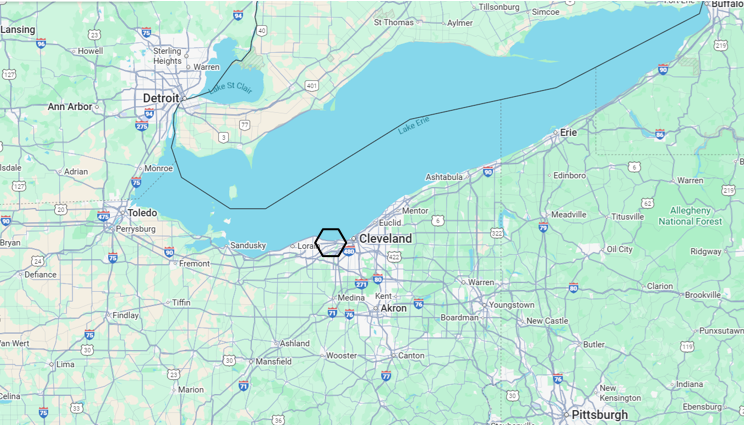
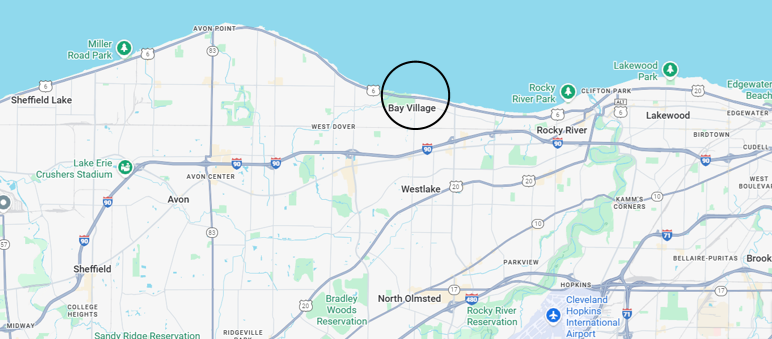
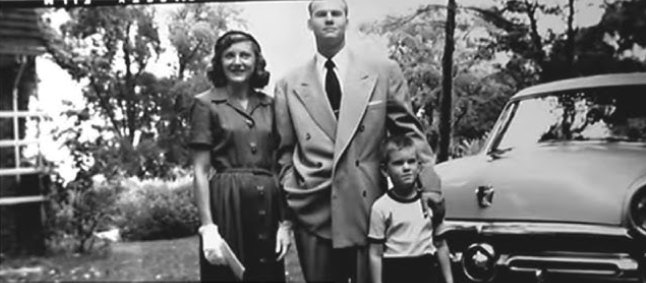
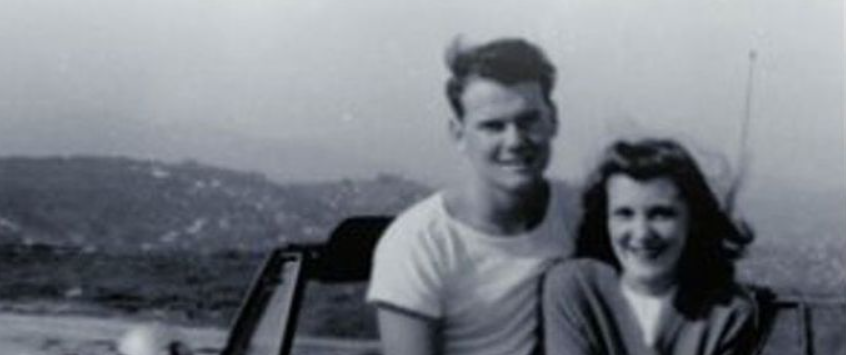
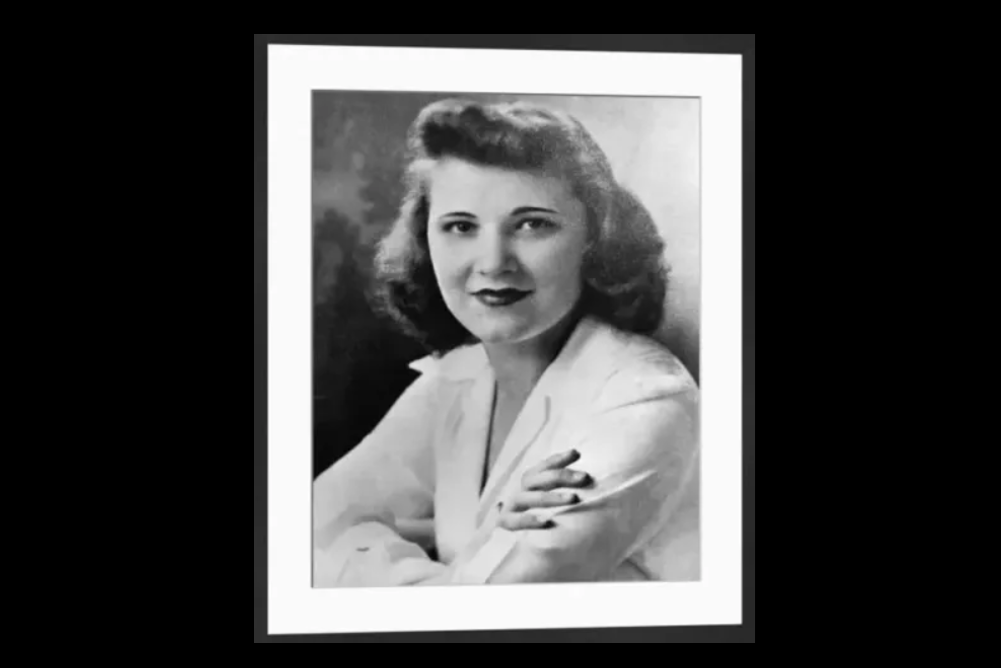
Sam and Marilyn Sheppard lived in a comfortable home on Lake Road, right on the south shore of Lake Erie. Sam worked at his family’s Bay View Hospital. They were young, outwardly successful, and, by most accounts, looked like the picture of a solid mid-century professional couple. Marilyn was four months pregnant with their second child when she died.
On the evening of July 3, 1954, the Sheppards had friends over—the Houks who were their neighbors. They watched a movie, chatted, and eventually Sam stretched out on the daybed downstairs, saying he was tired. The guests left. Marilyn went upstairs. Sometime after midnight, that house turned into a bloody crime scene.
According to Sam, he woke up around the early morning hours to his wife calling his name. He ran upstairs, saw a “form” or “bushy-haired” figure near the bed, and struggled with the intruder before being knocked out. When he came to, Marilyn was beyond help. He followed noises down toward the lakeshore, fought the intruder again, and blacked out a second time.
At about 5:40 a.m., the first call wasn’t to police. It was to their neighbour and local mayor, Spencer Houk, asking for help. When Houk and his wife arrived, they found Marilyn dead in the bedroom. Police arrived, followed by the county authorities. The scene they walked into would become one of the most picked-apart crime scenes in American history.
The Scene, the Body, and the Injuries
We don’t need gore to understand this case. We just need the essentials.
Marilyn had been beaten many times about the head while in bed. Blood was heavy in the bedroom, on the walls, bedding, and on surrounding surfaces. The weapon was never found, but the injuries were consistent with a blunt instrument. This wasn’t a single blow in a quick struggle. It was a sustained, focused, and vicious assault.
The house showed other signs of disturbance. Some drawers appeared rifled. A wristwatch, a keychain, and a fraternity ring were initially “missing,” then later discovered outside in a bag near the house. That raises the classic question every investigator asks. Real ransack, or staging?
Then we come to Sam.
He had visible injuries—a neck problem, some damage consistent with a concussion, and weakness in one arm documented by a neurosurgeon. Were they consistent with being attacked and knocked unconscious? Possibly. Were they also within the range of what could be self-inflicted or exaggerated? Also possibly. That ambiguity has followed this case around for 70 years.
One more piece. Early blood work looked at types, patterns, and locations but pre-dated DNA. Forensic scientist Dr. Paul Kirk later argued that bloodstain patterns suggested the killer was likely left-handed, while Sam was right-handed. Kirk’s conclusions have been debated, and we have to remember the limitations of early blood spatter analysis. But it’s one more pebble on the scale.
If you handed me this scene today, the questions I’d write on page one would be simple:
- Does the physical evidence support an inside job, an outside intruder, or leave both open?
- Are Sam’s injuries proportionate to what he describes?
- Do the ransacked areas and “missing” items make sense for a real burglar—or for theatrical effect?
The answers aren’t as simple as either side would like.
The Investigation and the Media Circus
The Bay Village police and then Cuyahoga County authorities quickly zeroed in on Sam. On one level, that’s not surprising. In most domestic homicides, the partner is the first and often the most likely suspect. That’s not prejudice. It’s pattern.
But something else was happening here. The Cleveland media went to war.
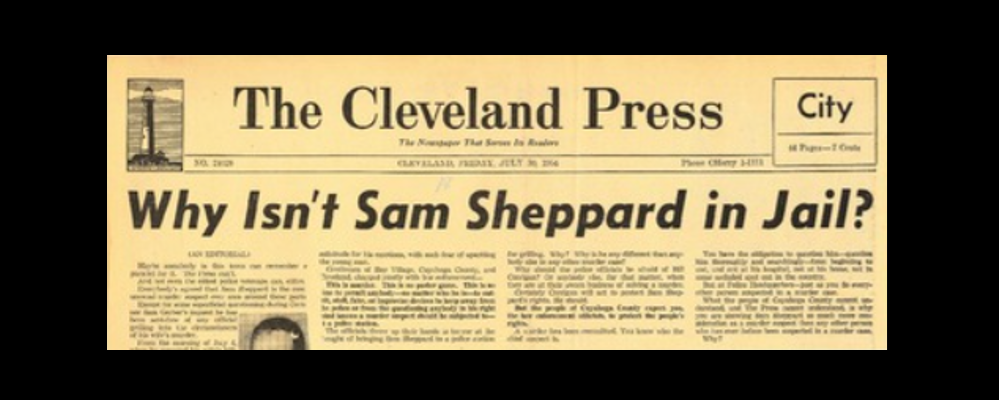
The Cleveland Press, and particularly its editor Louis Seltzer, hammered the Sheppard story on the front page. Headlines and editorials openly demanded Sam’s arrest and suggested that his prominent medical family was shielding him. One notorious front page effectively shouted, “Why Isn’t Sam Sheppard in Jail?”
A public coroner’s inquest, held in a high school gym with reporters packed around, turned what should have been a clinical inquiry into a spectacle. When the case went to trial later that year, the courtroom and surrounding atmosphere were so saturated with publicity that the U.S. Supreme Court, years later, would call it “massive, pervasive, and prejudicial.”
Sam was interrogated, hounded by reporters, and portrayed as a philanderer who wanted his wife out of the way. Some of that was based on truth—he was having an affair—but the way it was handled blurred the line between a criminal investigation and public theatre.
From an investigative standpoint, the problems are familiar:
- Potential contamination of the scene as people came and went.
- Early fixation on Sam to the exclusion of other lines of inquiry.
- Pre-trial publicity that made it almost impossible to seat a truly neutral jury.
None of that proves guilt or innocence. But it does cast a long shadow over the reliability of what followed.
Motive: The Affair and the Marriage
Behind the respectable surface, Sam’s life wasn’t tidy.
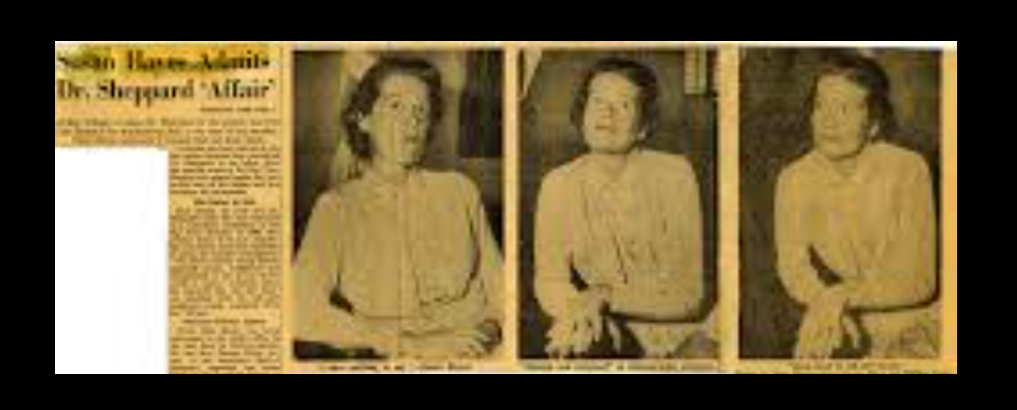
He was having an affair with a lab technician named Susan Hayes, something he eventually admitted. The prosecution leaned heavily on this. Here was their motive—a cheating husband, a pregnant wife, a trapped doctor wanting out.
From a human-behavior standpoint, it’s not a ridiculous theory. Affairs do sometimes escalate into lethal domestic violence. But an affair is not proof of murder. It’s a risk factor, not a verdict.
What about the marriage itself? Some neighbors said the Sheppards seemed to be getting along normally the evening before the murder. Other testimony suggested underlying tensions. That’s not unusual either. Most troubled marriages don’t advertise their problems at dinner parties.
The state’s narrative went like this. Sam, cornered by his double life, snapped—or perhaps planned it—and killed Marilyn in a fit of rage or desperation. Then he staged a phony burglary, injured himself just enough to look like a victim, and called his neighbor instead of the police to buy time.
It’s a coherent story. The question is whether it’s the only coherent story, and whether the evidence actually supports it.
The First Trial: “Trial by Newspaper”
Sam Sheppard was tried for his wife’s murder in the fall of 1954. He was charged with first-degree murder but ultimately convicted of second-degree and sentenced to life in prison.
Looking back, the trial reads like a checklist of what not to do if you care about due process. Reporters roamed freely. The jurors weren’t properly shielded from daily headlines attacking the accused. The judge allowed a media circus to unfold in and around the courtroom.
In 1966, the U.S. Supreme Court, in Sheppard v. Maxwell, overturned that conviction, finding that the “massive, pervasive, and prejudicial publicity” and the judge’s failure to control it had denied Sam a fair trial under the Fourteenth Amendment.
This is where the Sheppard case steps out of the true-crime file and into legal history. It became a leading precedent on how far courts must go to protect a defendant from a hostile media environment. It’s still cited in discussions about cameras in courtrooms and high-profile trials today. (Can you say OJ Simpson?)
But again, there’s a key distinction. A bad trial doesn’t automatically mean a wrong verdict. It just means we can’t trust the process that produced it.

The Retrial: Bailey, Blood, and “Not Guilty”
After years of appeals and legal grinding, Sam’s conviction was vacated and he was granted a retrial. In 1966, now represented by the formidable F. Lee Bailey, he was tried again in a more controlled environment with a sequestered jury.
Bailey went hard at the weaknesses in the state’s case. He stressed the lack of direct physical evidence linking Sam to the fatal blows, highlighted the possibility of an intruder, and hammered the original investigation’s tunnel vision and media-driven conduct. He also leveraged forensic opinions, including Dr. Paul Kirk’s bloodstain analysis, to argue that the attacker’s handedness and movement patterns didn’t match Sam.
On November 16, 1966, the jury returned a verdict. Not guilty. Sam walked out a free man.
Again, that doesn’t establish innocence. It tells us the state couldn’t prove guilt beyond a reasonable doubt when the playing field was closer to level. That’s important, but it’s not the end of the story.
The Window Washer: A Shadow in the Background
If this case were a novel, the next character would feel almost too on-the-nose.
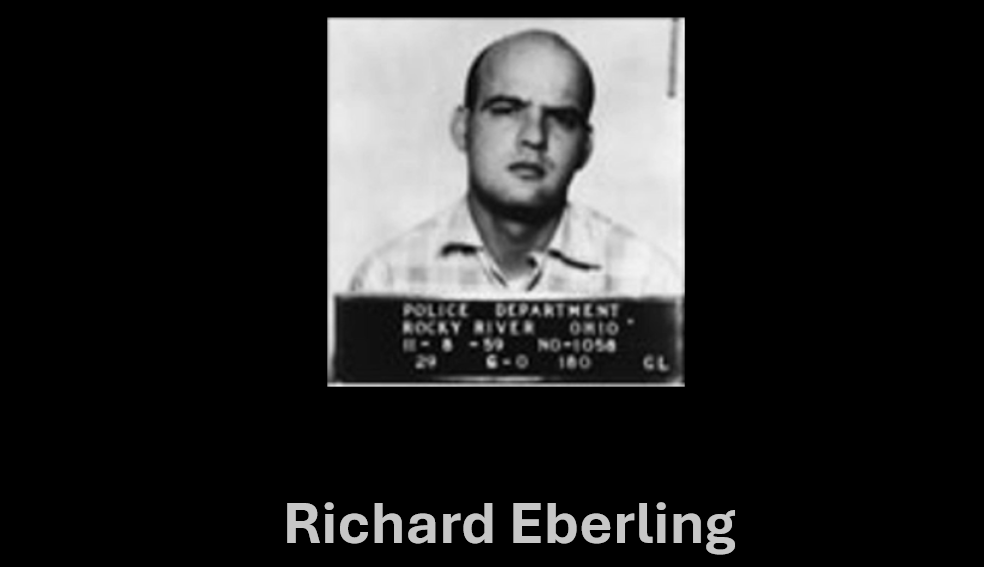
At the time of Marilyn’s murder, a 25-year-old man named Richard Eberling ran a small business called “Dick’s Window Cleaning.” The Sheppard house was one of his clients. He knew the layout. He had access. He’d been inside.
Years later, police discovered that Marilyn’s rings were in Eberling’s possession. He said he’d stolen them in a separate burglary of the Sheppard home after the murder. That’s not the sort of coincidence an investigator ignores.
Eberling admitted that he’d bled in the Sheppard house while working there, which could explain the presence of his blood if found. But there’s more. Decades after the Sheppard case, he was convicted of the aggravated murder of an elderly woman, Ethel Durkin, for whom he worked as caretaker. Other deaths in her family circle also raised suspicion.
During a civil trial in 2000 and in related investigations, witnesses testified that Eberling had, at times, hinted or outright claimed involvement in Marilyn’s death. Those alleged confessions are hearsay from a legal standpoint, but they add weight to the “alternate suspect” file.
Does that mean Richard Eberling did it? No. Does it mean there was at least one viable, under-explored suspect with motive, opportunity, and a track record of violence? Yes.
As an investigator, you never like seeing that in the rear-view mirror.
DNA, Third-Party Blood, and the 2000 Civil Case
In the 1990s, Sam and Marilyn’s only child, Sam Reese Sheppard, pushed to use modern forensics to re-examine the case. In 1997, Sam Sheppard’s body was exhumed (he’d died in 1970 of natural causes), and DNA profiles were developed for comparison against preserved blood evidence from the crime scene.
Tests on selected stains suggested the presence of a third party’s blood—neither Marilyn’s nor Sam’s—at key locations in the bedroom and house. Some analysts and news outlets took this as strong support for the intruder theory; others were more cautious, pointing to degradation, limited samples, and interpretive uncertainty.
Blood on Sam’s trousers was reported in one set of tests to be not his own, which again raises questions about how events unfolded that night. But as with most cold cases, we’re dealing with aging evidence and contaminated lab work layered over different eras, each with their own strengths and weaknesses.
In 2000, Sam Reese sued the state of Ohio, seeking a declaration that his father had been wrongfully imprisoned and compensation for those ten years behind bars. The civil standard is lower than criminal—balance of probabilities rather than beyond reasonable doubt. After an eight-week trial reviewing the old and new evidence, the jury still found against the Sheppard estate. They were not persuaded, on balance, that Sam was more likely innocent than guilty.
That verdict doesn’t erase the doubts. It does tell us that, even with DNA and a fully developed Eberling narrative, a panel of modern jurors remained unconvinced.
So—Did Doctor Sam Sheppard Really Kill His Wife?
Let’s step back from the legal back-and-forth and look at this like any serious cold case.
What weighs against Sam?
He was the husband, present in the house, with a known affair in the background, and likely marital tension. We have a delay between the probable time of death and the call for help. We have missing items later found just outside, which smells of staging. We have a questionable story about a “bushy-haired intruder” that never produced a solid, named suspect at the time.
We also have the statistical reality that in a case like this, the spouse is often the offender. If you gave this file to a private investigator who knew nothing about the Supreme Court decision, the media mana, or the DNA inconclusivity, they’d start from a simple place. The obvious suspect is the husband. “Prove me wrong.”
What weighs in Sam’s favour—or at least creates serious doubt?
For all the reasonable and probable suspicion, there’s no single piece of physical evidence that definitively places the murder weapon, which was never found, in Sam’s hands. His injuries, documented by a neurosurgeon, are more than a scratch or two. The brutality of the killing, the complexity of the blood patterns, and the presence of third-party blood all leave room for a genuine intruder scenario.
We have a credible alternate suspect in Richard Eberling. He knew the house, admitted to burglaries, had Marilyn’s rings, later murdered someone else under his care, and reportedly spoke about the Sheppard case in ways that made experienced investigators uneasy. That doesn’t prove Eberling killed Marilyn, but you can’t look at that and shrug it off.
We also have the fact that the original investigation and first trial were, by modern standards, badly compromised by media pressure, tunnel vision, and procedural failings. That kind of environment is fertile ground for missing things you shouldn’t miss.
My Verdict: Not Proven, With the Scales Tipped
If you forced me, as a former homicide investigator and coroner, to answer one question—“On the balance of probabilities, not beyond a reasonable doubt—did Sam Sheppard kill Marilyn?”—here’s where I land.
I can’t say, on balance, that he probably did it. I also can’t honestly say, on the same civil standard, that he definitely did not. The evidence simply doesn’t climb high enough or slide low enough on either side of the scale. There’re too many unknowns, too much contaminated process, and too much conflicting interpretation. This isn’t a polite way of dodging the question. It’s a recognition of the limits of what we actually have.
If I had to put a label on it, I’d use one our system doesn’t formally recognize but probably should. “Not proven.”
Would I sign my name to a charge approval today, based on what is left of the evidence? No, I wouldn’t.
Would I sign my name to a public statement that Sam Sheppard was, on balance, an innocent man outrageously framed? No, I wouldn’t do that either.
What I will say is this:
- The state never built a case that could withstand a fair process.
- The alternate-suspect and third-party-blood evidence create real, not imaginary, doubt.
- The fairest conclusion is that we do not know who killed Marilyn Sheppard—and we probably never will.
- Therefore, at a legal standard, Sam Sheppard shouldn’t be convicted.
Why This Old Case Still Matters
So why spend this much time on a 1954 murder in an Ohio bedroom?
Because the Sheppard case sits at the crossroads of reality, truth, and clarity.
Reality is what actually happened in that house on Lake Road in the dark hours of July 4, 1954. A pregnant woman was beaten to death while her son slept nearby. That reality is fixed. It doesn’t change.
Truth is our attempt to describe that reality. Who was where, who did what, why it happened. In this case, truth is fogged by media hysteria, human bias, limited forensics, and the decay of evidence and memory over time.
Clarity is our willingness to see those limits plainly. To admit what we know, what we don’t, and what we can’t ever recover. It’s the discipline of resisting the urge to manufacture certainty just because we don’t like living with doubt.
In a culture that loves simple villains and tidy endings, the Sheppard case reminds us that some stories remain unresolved and will always remain unresolved. That doesn’t mean we throw up our hands. It means we hold two things at once. Respect for the victim and her family, and humility about our own need for answers.
If there’s a takeaway here, it’s this.
When reality is murky and the evidence is split, the honest answer isn’t to shout louder. It’s to admit the uncertainty and live with it.
Marilyn Sheppard deserves the truth. So does her son, so did her husband, and so does every person who stands in a courtroom while the world watches. Sometimes, despite our best efforts, that truth stays just out of reach.
Our job—yours and mine—is not to pretend we can pull it closer by force. It’s to see clearly, weigh fairly, and accept the known and unknown facts.