Tag Archives: Murder

HAS MADELEINE MCCANN’S MURDERER FINALLY BEEN CAUGHT?

On May 3rd, 2007 three-year-old Madeleine (Maddy) McCann disappeared from her family’s holiday apartment in Portugal. Her body has never been found, and all information suggests the British toddler was abducted and murdered. The McCann missing persons case became one of the highest-profile criminal investigations of all time. Now, German police have a man in custody who they believe is the killer. In fact, they say they have irrefutable evidence.

The suspect has not yet been charged with Maddy McCann’s murder. That requires evidence that’s admissible under Portuguese Law—Portugal being the country where the crime took place and the authority having jurisdiction to prosecute the case. Before looking at who the suspect is and what evidence connects him to the crime, let’s review the facts of this tragic case.

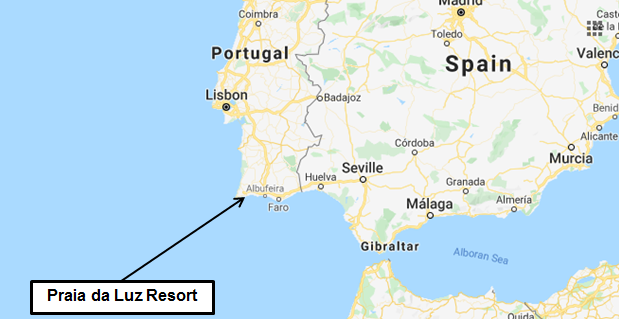
Madeleine’s parents, Kate and Gerry McCann, took their three children on a week-long vacation to a holiday resort at Praia da Luz in the Algarve recreational region of southern Portugal. Here, they rented a two-bedroom villa or apartment which had a ground floor, courtyard entrance. With Maddy and her parents were the other McCann children, a pair of two-year-old twins. The McCann family was also with a group of friends from the UK. In total, there were seven adults and eight children.
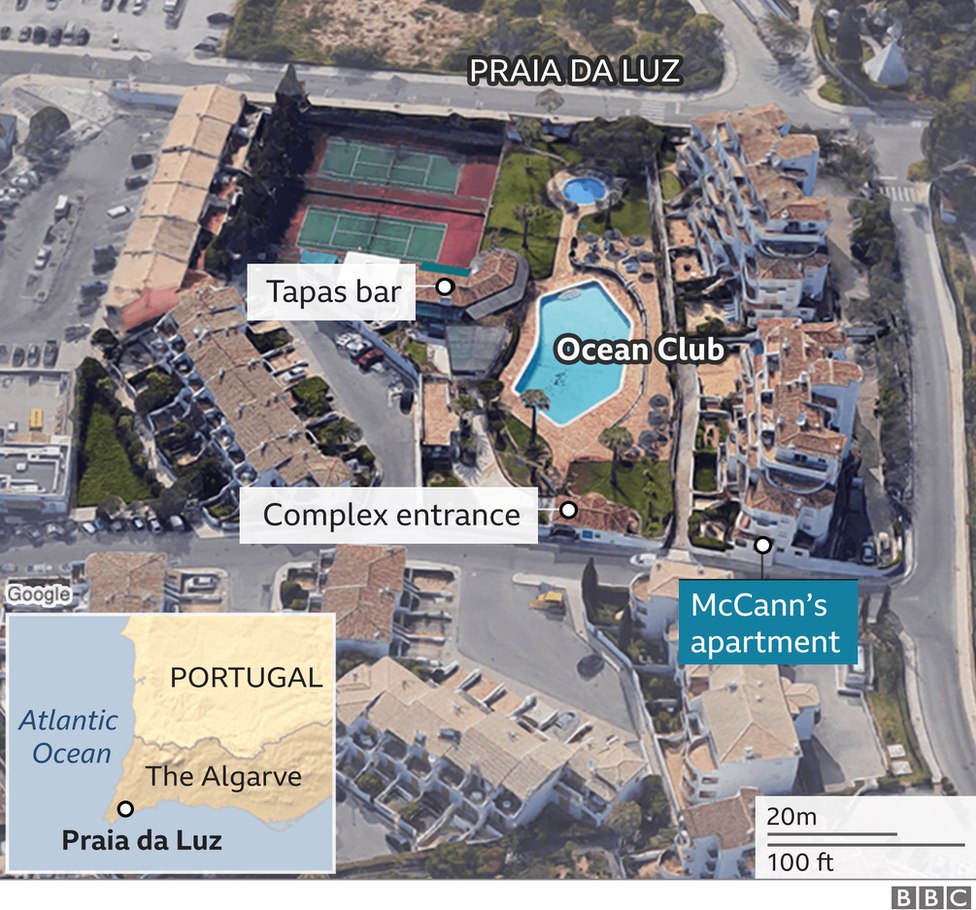
During the week, the adults of the group would have late-evening dinners after the small children were put to bed. They took turns of periodic checks on the sleeping kids until they returned from the courtyard’s outdoor tapas dining area which was 160 feet or 55 meters from the McCann apartment. For the first few nights, everything was fine and there was no reason for anyone to be concerned about the children’s safety.

At 10:00 pm, Kate McCann took her turn to check on the children. She discovered the courtyard door was open when it should have been shut. Kate went inside and into the bedroom where Maddy and the twins slept. The twins were fine, but Maddy was gone.
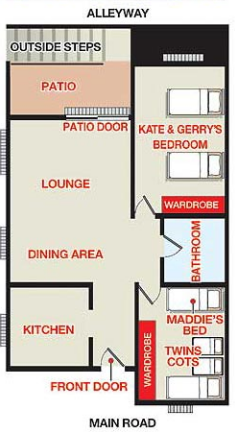
Kate McCann frantically searched the small apartment that consisted of a combined living/dining/kitchen area and a separate bedroom that the adults used. Maddy was nowhere to be found. Kate rushed to the door and screamed across the courtyard that her little girl was missing.

The group of friends began searching the immediate area and other apartments. The resort staff, including their security detail, combed the complex. Not a trace of Madeleine McCann showed up. It was after 11:00 pm when they notified the local police.

The local officers searched throughout the night. At 2:00 am, they brought in two patrol dogs and by 8:00 am four more search and rescue dogs arrived. The search expanded outside of the resort complex to take in local streets, alleys, buildings, and the beach along the waterfront. Absolutely no trace of Madeleine McCann was found.

Hindsight being what it is, the local police did not treat the McCann’s apartment as a crime scene. That occurred the next day when a higher authority from Portimao took over the investigation. The “golden hours” immediately following the abduction were lost. It was nearly a day later when Maddy’s description was broadcast, roadblocks established, and a proper scene examination was done.

Two witnesses surfaced who reported seeing a man carrying a little girl near the complex around 10:00 pm on May 3rd. This has been widely reported over the years and both sightings (known as the Tanner and Smith sightings) seem conclusively ruled out or eliminated. However, they did create an avenue of focus by the Portuguese police that became narrow-minded and off-track.
The Madeleine McCann case became an instant media frenzy. It’s best described as a circus and it occurred just when social media platforms took off. The British Tabloids fueled the flames of speculation which were carried around the world by emerging SM sites like MSN and a thing called Facebook.

It wasn’t long before the McCann parents became prime suspects. There wasn’t a lick of evidence to support that suspicion and no logical reason why they would harm their daughter. Although it was absurd, the Portuguese police applied arguido status to Kate and Gerry McCann and implicated that they had done something to harm Maddy by accident and were conspiring to cover it up.
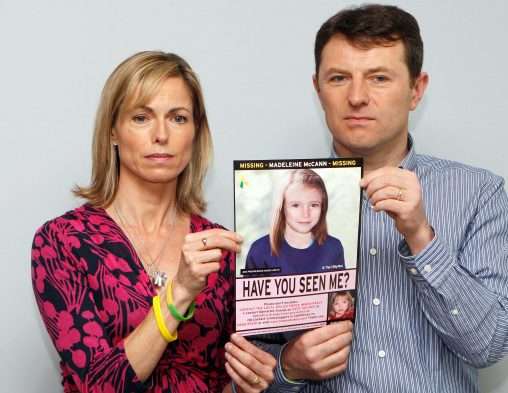
This baseless accusation escalated quickly. The renowned British agency, Scotland Yard, commenced their investigation into Madeleine McCann’s disappearance. Their common-sense approach relieved the heat on the McCann family and influenced the authorities in Portugal to drop the arguido rule.

However, the damage was done. The family’s reputation suffered immensely, especially after the lead investigator on the Portuguese side published a book accusing Maddy’s parents of this heinous crime. That ended in a lengthy lawsuit and served no purpose in finding out what really happened to Madeleine McCann.

*   *   *

In June 2020, the public prosecutor in Braunschweig, Germany ordered an inquiry into the McCann abduction and murder. The prosecutor said what all credible people involved in the investigation believed—Maddy was dead and had been killed shortly after she was snatched by a pedophile sex offender. The German authorities had someone in mind, and that someone was already in their custody.
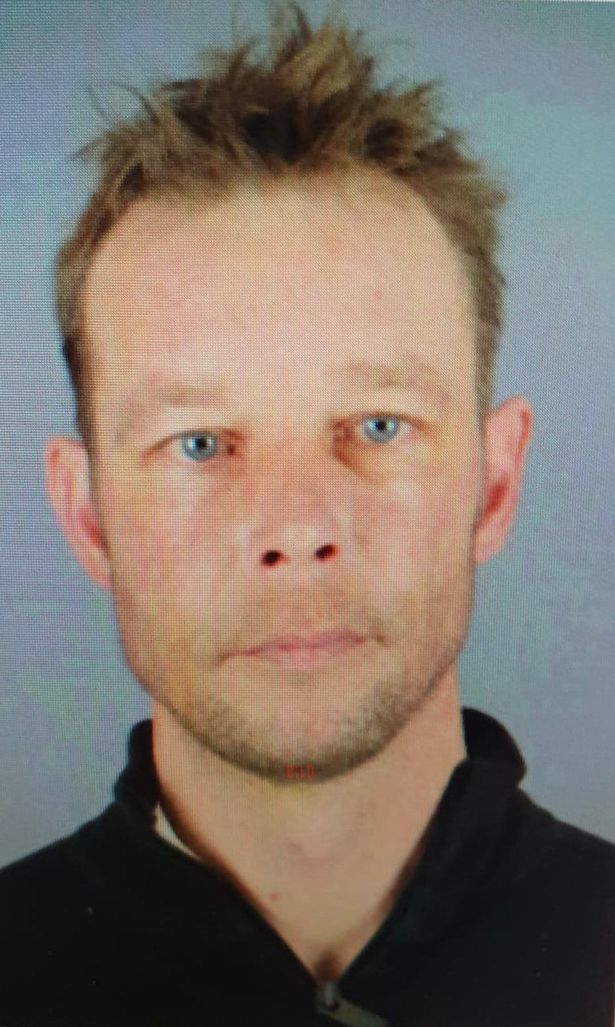
The current and prime suspect for murdering Madeleine McCann is 43-year-old Christian Brückner. He is serving a seven-year sentence for rape at a German prison and has been previously convicted of sex crimes on children. It seems, however, that Christian Brückner has been on the police radar for Maddy’s murder for the past seven years.

The German authorities state Brückner was near the crime scene on the night Madeleine McCann vanished. He was living in a Volkswagen van on the beach below the resort and was well-known to certain resort staff. Allegedly, Christian Brückner left the area when the search started and sold his passenger vehicle, a Jaguar, to another party who re-registered it the following day.

It seems the police theory is that Brückner was somehow assisted by a resort staff member. It’s not clear from released information if that was to help him burglarize the apartment(s) or specifically for a sexually-deviant purpose. At the heart of this is a phone record connection between Christian Brückner and the unnamed staff member that took place shortly before Maddy’s abduction.

Has Madeleine McCann’s murderer finally been caught? He may have been caught and in jail on other matters, but he hasn’t been charged or convicted of this offense yet. Although the German police publicly claim they have “irrefutable” evidence, they haven’t disclosed what it is. That, possibly, is because it’s not legally admissible evidence.

Experienced homicide investigators know that solving a murder depends on four factors:

1. There is physical evidence left at the crime scene that links the perpetrator.

2. The perpetrator took something from the scene that links them to the crime.

3. Someone saw the perpetrator at or near the scene when the crime occurred.

4. The perpetrator admits to committing the crime by confessing or otherwise.

In the Madeleine McCann case, there doesn’t appear to be any physical or forensic evidence in the apartment or anywhere in the vicinity that identifies who abducted this innocent little girl. There may have been some trace evidence like fingerprints, footwear impressions, or DNA material deposited but it’s too late for that. That investigation avenue is closed.
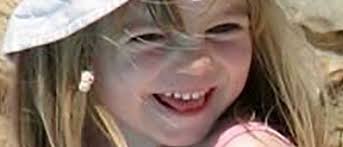
The perpetrator certainly did take something from the scene. That was Maddy. However, her body has never been discovered, and where she is only the killer likely knows. So far, he hasn’t said anything or her remains would have been located.

There are no known eyewitnesses to seeing Maddy being snatched. The two famous sightings are not credible evidence. In fact, neither witness ever said they could identify the man they say was carrying a little girl.

If Christian Brückner is Maddy’s murderer, will he confess? That’s anyone’s guess, and it’s certain that skilled interrogators have taken a run at him. Time might tell.

But, there’s two possibilities that might break the case open. That’s if Christian Brückner was working with an accomplice—then that person may agree to cooperate and testify as to the truth about what really happened. Or, if the “irrefutable” evidence leads them to what’s left of Maddy’s remains.

If so, maybe Madeleine McCann’s murderer has finally been caught.
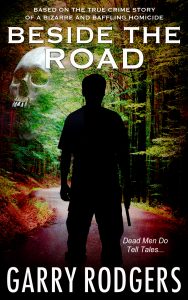
BESIDE THE ROAD — NEW BASED-ON-TRUE-CRIME SERIES BOOK #4

Dead Men Do Tell Tales

New Book Release – June 2020 – by Garry Rodgers, DyingWords Digital & Print Media Canada

Warning! Beside The Road is based on a true crime story. It’s not embellished or abbreviated. Explicit descriptions of the crime scenes, factual dialogue, real forensic procedures, and actual police investigation, interview and interrogation techniques are portrayed. Some names, times and locations have been changed for privacy concerns and commercial purposes. 

Prologue

He lay beside the road. He lay beside the road as dawn’s first streaks smeared the eastern sky and the horizon’s weak rays cast frail shadows through early mist. Songbirds introduced the day—while an owl’s screech signed off the night—as he lay on his back in death’s putrid stench… discarded and dumped down a backwoods bank beside the road.

Light spread through the rural woods where a poorly-paved path cut a meandering trail high above him, shielding his corpse from passing view. The sun unhurriedly appeared. It evaporated the overnight dew that formed in early summer, and the temperature began to rise from a tolerable chill. Predictably, the sun climbed the cloudless sky towards another afternoon’s peak of uncomfortable heat.

By nine, the sun angle was right for direct beams to touch his torso through the picket-fence gaps in roadside trees vertically rising from the steeply-sloped bank. A stand of coastal Douglas fir, native to British Columbia’s central Vancouver Island, guarded his body while a canopy of Western red cedars sheltered his cadaver from the direct sear of mid-day heat. The forest floor was a pad of thorns and ferns and moss and sticks and leaves and sticky needles that slowly deteriorated along with him as part of the universal plan.

Hour by hour, as the world turned and time passed, intermittent sunlight radiated him into a zipper-like pattern. Low luminosity left a softening effect on his exposed skin while solar gain from higher scales scorched him with a dryness that turned his trunk zebra-striped in a way few deceased people present. He had a piano-key pattern and a rarity produced by alternating spectrums of electromagnetism.

Day by day, as the Earth evolved and entropy progressed, he became a unique specter—part putrefaction where light hit him low and part mummification where diffusing blows of afternoon rays parched his flesh.

He was clothed. Partly clothed, that is, with his feet in shoes and his privates in shorts. His singlet, or wife-beater muscle shirt, bunched about his upper chest. His head was bare and so were his arms. His hair was stringy strands of brownish sludge that trapped the decomposing flesh and fats flowing from his scalp. And, his left hand reached as if grasping for help while his right helplessly crooked behind his back.

His face was mostly exposed to the bone and his eyes were gone. His cranium sucked in the sunlight and left him with a bare-skull appearance where his teeth—a distinctly different dentition—gave a half-snarl and a half-sneer similar to a pirate’s ghastly flag.

He had a name. He once had a family, and he once kept some friends. He once had a childhood and he laughed and he played and he schooled and he fooled around like anyone passing through their youth and into their adulthood would. But, his life was extinguished and his consciousness had parted ways with his physical entity—his remains left on the slope beside the road to break down.

Now, he was a medical mess with nature’s creatures consuming his corpse. Insects cycled through their growth stages and carried on the continuous loop of evolution. Forest vermin feasted on their share of his disarticulating decay while circling birds apprehensively watched for their chance at a piece of the putrefied pie.

He had a past. He had a past not to be proud of that caused him to be in his present condition—a dead and discarded human body that lay in silent stink beside the road.

Chapter One — Tuesday, July 9th – 1:10 pm

Leaky Lewis sent me a text. body beside the road. prob foul play. can u attend?
I texted Leaky back. What road, ffs? There’s a thousand roads in this town.
Leaky replied. o sorry. nanaimo lakes rd. approx 6 mi west near gogos sawmill.
I typed. Helpful. Are you there now?
He responded. no. im in council meeting. thats why text and not call.
I returned. So who has the scene?
Leaky pecked. uniforms got it. forensics en route. i called coroner. she’ll meet u.

——

Leaky Lewis was my boss at our Serious Crimes Section. He was junior to me in service, but that was okay. I preferred investigating murders more than stretching budgets and scrambling resources like Leaky had to do. And, this case of the body beside the road stretched and scrambled our budget and resources to the max. We used almost every investigation tool and technique available before we finally solved the most baffling and bizarre homicide file of my long detective career.

Leaky’s name was Jim. Jim Lewis. He’s a great guy, but had a serious incontinence problem with post-urinary drip. That’s why the nickname. Leaky couldn’t venture far from the trough without Depends, but he made sure we had everything needed to do our job.

By “our” I mean the seven-person squad tasked with investigating violent persons offenses that happened around the Nanaimo area. We’re located on central Vancouver Island in British Columbia right across from the craziness and congestion of the City of Vancouver. Nanaimo has Canada’s mildest year-round weather. I’d been here on the southwest coast for years and had hit my best-before date. During that time, I’d seen a lot of serious crimes because Nanaimo had an extraordinarily high homicide rate.

Leaky looked after our entire plainclothes unit. Besides the Serious Crimes bunch, he supervised the Commercial Crime unit, Sex Offenses, Forensics, Drug Squad, and one poor prick plagued with frauds and bad plastic. Leaky also oversaw the secret squirrels in our intelligence branch and two notoriously bad-behaved boys on the Street Crew.

——

I pulled up to the crime scene on Nanaimo Lakes Road in my unmarked Explorer. Like Leaky texted, it was just over six miles west of the city limits near a small sawmill run by industrious Slavic immigrants called the Gogo family. There were two police cruisers parked on the right-hand shoulder, the north side, with their red and blues flashing. Two other vehicles sat along the shoulder. One was our forensic unit’s mobile shop. The other belonged to Global TV’s roaming cameraman.

A uniformed cop with a paddle-board stop sign directed traffic around the entourage. She pointed to the left lane and gave me a “get-going” motion. I didn’t recognize her. Likely a new recruit. I hit my grille lights and she startled. Then, she smiled and pointed to the steep bank beside the road.

I parked, got out, and walked toward the marked car at the front of the pack. Already I could smell it. It was that unforgettable stench—somewhere between reeking ammonia in ripe rotten eggs and the putrid aroma of deeply-decayed roadkill. It was the smell one never mistakes.

A senior officer guarded the scene. He’d been with the patrol division for a long time. The patrolman introduced me to the stop-sign gal. I was right, she was a brand-new hire.

“What’s happening?” I was matter-of-fact.

“Body down the bank.” The old harness bull thumbed to the thick stand of Douglas fir trees rooted to the slope and standing tall. Western red cedars loomed overhead. “Been there a while from the look and smell.”

“What do you think?” I stood at the edge. It was loose gravel beside the road’s crumbling pavement. I did not want to slip and take a tumble.

“At first I thought it was a deer.” He scrunched his nose. I could see the young officer kept her distance. “That’s what the guy who reported it thought, too. He was riding his bike up the grade and caught a whiff. So, he stopped and looked over and saw his dead deer wore running shoes.”

“Witness guy still around?” I looked about. The only civilian seemed to be the TV man rolling film.

“No.” The patrolman shook his head. “I got my cadet to take his statement. Gotta start somewhere, right? Then we sent him on his way.”

“Great, thanks.” I paused to look around and take in the scene.

It was bright sunshine and getting uncomfortably warm. The early afternoon sun was south-southwest and high enough to shine over the bank and flood its light on the slope. The site was at the leading edge of a tight left-hand bend, and the road was sharply inclined toward the west. It led to a double-S curve with a cautionary slow advisory sign—not the sort of place to safely pull off.

The traffic was light. A loaded logging truck approached and followed the young officer’s direction. It chugged up the grade and disappeared through the curve. A smaller silver SUV arrived. Instead of bypassing as the officer indicated, the SUV came to a stop behind my Explorer. I saw the new cop frown as the driver put it in park and shut off the engine.

I knew who it was. The door opened and a silver-haired lady with a silver clipboard matching her mane got out. Honey Phelps, our coroner, walked toward me.

“Hi, Honey. Imagine meeting you here.” I smiled. Honey. I love the name. It perfectly suited her. She’d been with the Coroners Service for years, and I’d worked with her at countless death scenes. She was always the consummate professional but with a black humor tinge.

“Is that you?’ Honey whiffed the air like a bear. “Or is that my client?”

“Probably a bit of both.” I chuckled. “I haven’t had a look yet. Waited for you to get here.”

“Looks like Forensics beat me.” She nodded toward the big rig that looked somewhere between a SWAT team’s truck and an indie rock band’s Winnebago.

“Yeah. I think they’re inside suiting up.” I motioned toward the Forensic Identification Section vehicle. “Let’s go have a chat with them.”

Honey looked at my Explorer and then at me. “You alone? No Harry today?”

I grinned. “Nope. I’m batching it. She’s tied up in a court case.” I referred to my usual partner, Sheryl Henderson who we called ‘Harry’ after the Bigfoot in the movie Harry and the Hendersons. Sheryl was a large lady with large hair and an even larger personality.

Honey and I walked up to the Forensics vehicle just as Sergeant Cheryl Hunter stepped down. Her understudy, Matt Halfyard, stayed inside. We called him Eighteen Inches.

Cheryl was dressed in her bunny suit. It’s the white Tyvek coveralls that CSI people constantly wear. I’m sure she slept in that thing.

“What do you think?” I asked Cheryl much the same thing I’d asked the senior patrolman. It was usually a pretty good opener.

“Not sure yet.” Cheryl had her digital Canon ready. Matt was loading a video camera. The first thing Forensics always do is film the scene before they enter it. That step was non-negotiable, and the guarding officers made sure no one went near the body before Forensics began their painstaking thorough task of recording the overall scene. Examining the body beside the road would follow.

“I’m not sure what to think.” Cheryl was always careful with opinions and cautious with conclusions. She was like all forensic examiners. They work with facts. Not fables. It was the nature of the beast.

“I haven’t been down to the body yet.” Cheryl looked to her left and over the bank. “It’s about twenty-five feet downslope and looks like it’s hung up against tree trunks. I have no idea if he… it looks like a he from the size and style of running shoes… that’s all I can really make out from here… if he was hit by a vehicle and sent flying over the bank or if he was driven out here and dumped.”

I looked around. The TV camera guy looked back through his viewfinder. “Doesn’t look like a suicide type of scene.”

Cheryl and Honey agreed. We’d all seen a lot of suicide scenes and this one didn’t fit. My gut feeling said dumpsite.

“Let’s just take this step-by-step till we see what we’ve got.” Cheryl was the voice of reason. “One thing’s for sure. This isn’t a recent scene. From what I can see above the shoes is bare-bones with putrefied flesh partly attached.”

“Been here a while, then.” Honey observed.

“Yeah.” Cheryl looked up at the sun. “But it doesn’t take long in this weather.”

“We’ll figure it out.” Honey smiled. “Let’s have a better look at who’s down there beside the road.”

*   *   *

Beside The Road — Book 4 in the Based-On-True-Crime Series by Garry Rodgers is just released  — June 2020 — and now downloadable from these leading EBook retailers:


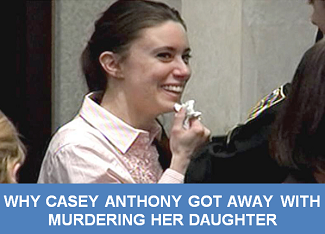
WHY CASEY ANTHONY GOT AWAY WITH MURDERING HER DAUGHTER

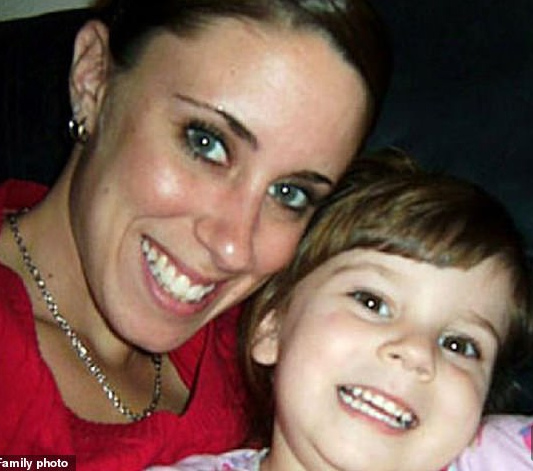
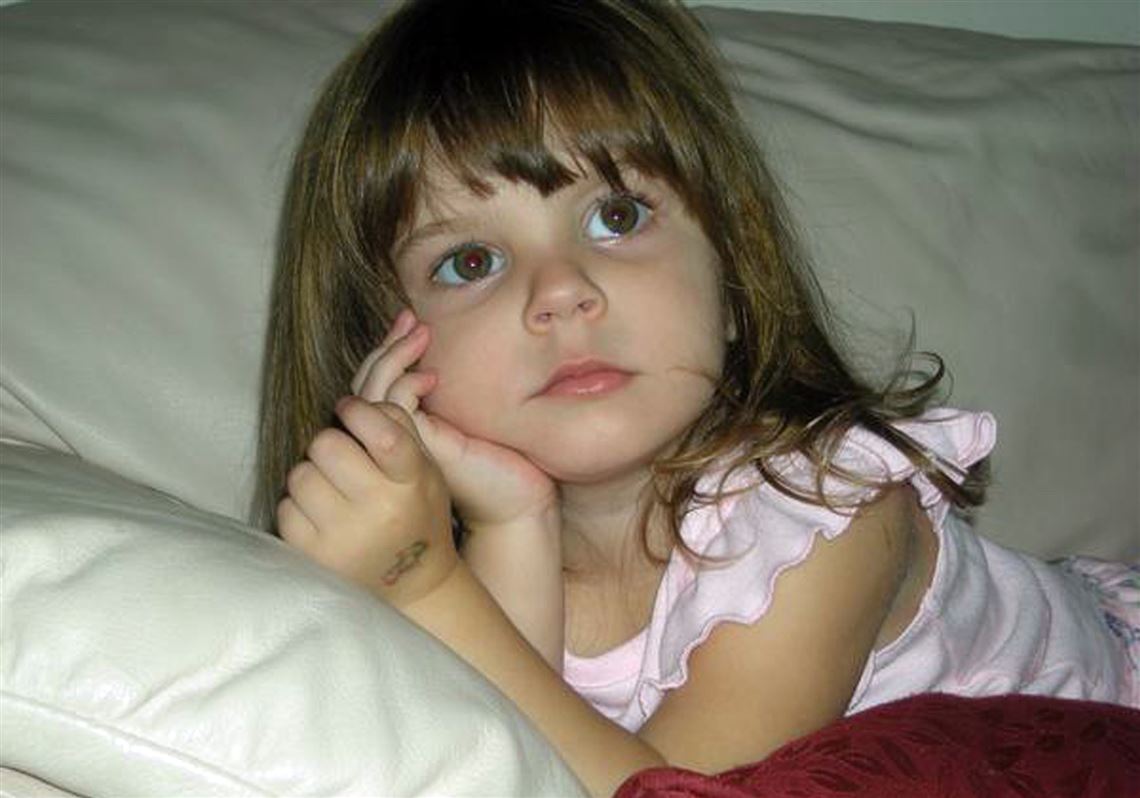
In October of 2008, Casey Marie Anthony of Orlando, Florida was charged with intentionally killing her two-year-old daughter, Caylee. Casey Anthony, then twenty-two, was indicted on first-degree murder and other homicide-related counts. She faced the death penalty. After a forty-three-day, media-sensation trial, the jury let Casey Anthony off on all matters relating to Caylee’s death with one-exception. That was lying to police during her toddler’s missing person investigation.

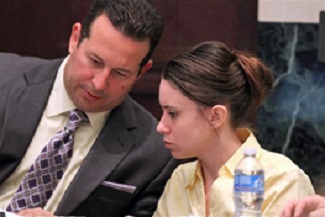
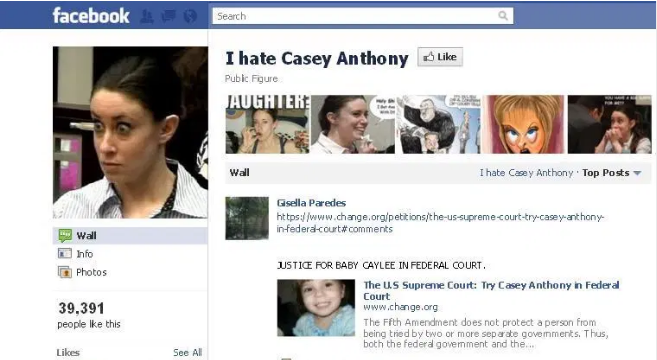
During the jury trial, Casey Anthony’s case became a social media sensation on par with the TV spectacle back in the O.J. Simpson days. At one point, Time Magazine labeled her as “the most hated woman in America”. The public who followed the proceedings overwhelmingly viewed Casey Anthony as an immoral, immature and incredible piece of “white trash”. Even Anthony’s high-profile lead lawyer, Jose Baez, referred to her as a “lying slut” during his closing remarks to the jury.

However, Jose Baez used those remarks to Anthony’s advantage. He portrayed how his client was misjudged by the mainstream and how the prosecution failed to prove “beyond a reasonable doubt” that the evidence was sufficient to support a conclusion that Casey Anthony deliberately planned and premeditated Caylee’s death. Here’s a look at why Casey Anthony was wrongfully acquitted and got away with murdering her daughter.

The Background

Casey Anthony was born on March 19, 1986 to George and Cindy Anthony of Orlando. George Anthony was a police officer and his wife, Cindy, was a homemaker. They had a son, Lee, who was older than Casey. By all later accounts, this family was anything but functional.

Casey was an outgoing and highly social kid. She was also notorious for bending the truth and pushing boundaries. Casey became pregnant with Caylee at age nineteen and, to this day, there is no official record of who the biological father was.

Casey Anthony was also unemployable. She bounced between jobs including one she got fired from at Universal Studios. She remained living with her parents who financially supported Casey and Caylee. By the summer of 2008, Casey Anthony was partying hard and neglecting Caylee for extended periods during which the grandparents cared for the little girl.

Caylee Anthony was last seen alive on June 16, 2008. She was with her mother, Casey, and they left George and Cindy Anthony’s home to spend time with Casey’s new boyfriend. After not hearing from Casey and Caylee for days, the senior Anthony’s began to get worried and suspicious. Casey made numerous conflicting statements to her parents about Caylee including one story that a new nanny was sitting for her.

After one month of absence, George Anthony learned that Casey’s car was at a tow yard. He went to recover it and notices a strong smell coming from the trunk. He feared the worst and expected to find his dead and decomposing granddaughter when he opened it. Instead, the trunk only contained a bag of rotting garbage.

The Investigation

Still, the Anthony’s were concerned enough about Caylee’s condition that they called the Orange County Sheriff’s Office to file a missing person report. This was on July 15, 2008. The police interviewed Casey Anthony the next day who told them that a nanny by the name of Zenaida Fernandez-Gonzalez had been hired to look after Caylee but refused to return her. Effectively, this was now a kidnapping situation.

As the police dug deeper, they found Casey Anthony’s statements to be false and misleading on four points. She was arrested and charged with the felony offenses of misleading the police and obstructing a criminal investigation. Casey spent a month in jail before she was able to raise a bail bond.

Meanwhile, the police moved their investigation focus from a missing child to a murder case. They processed Casey Anthony’s car and used a novel forensic technique to analyze the trunk air. Laser Induced Breakdown Spectroscopy (LIDS) examination identified airborne particulates consistent with a decomposing body. Two cadaver dogs also gave positive indications when smelling the car.

One human hair was removed from the trunk. It was matched as similar and consistent with Caylee’s known samples from her hairbrush. However, no DNA testing was done to make a positive identification and would become an evidentiary enigma at trial.

The police also searched computer drives on devices that Casey had access. Data retrieval experts found searches for key words and phrases like “chloroform”, “how to make chloroform” and “neck+breaking”. One examiner stated he had retrieved 84 incidents where Casey Anthony allegedly searched the word “chloroform”.

This information or evidence was brought to a grand jury. They returned a Capital murder indictment on October 18, 2008. Casey Anthony was re-arrested and, this time, she was denied bail.

Caylee Anthony’s body was found by a utility worker on December 11, 2008. It was in a wooded area near the Anthony family home about a ten minute walk from the property. Little Caylee was in an advanced decomposition state and had been stuffed inside a plastic garbage bag and wrapped in a blanket identified to her bedroom.

A forensic pathology examination did not determine the exact cause of Caylee’s death. She was too decomposed for that. There was, however, a highly-incriminating piece of evidence indicating foul play. A piece of duct tape—the duct tape murder weapon—was stuck across what would have been her nose and mouth. Caylee Anthony’s death classification was ruled a homicide.

The Jury Trial

From the moment Casey Anthony was arrested on her obstruction of justice charges, her case took on a life of its own. This was the dawning of social media outlets and the height of cable news networks. This sad and serious situation seconded the attention of people across the nation and around the world.

It had the stuff of crime novels and horror movies. Here was a lying and cheating promiscuous young mother who not only abandoned her female child but murdered her. Then, the blood-relative offender callously tossed the remains of a toddler in the bush. Mainstream America wanted Casey Anthony’s head and the prosecution team promised to deliver it. They elevated their game and filed for the death penalty.

Orlando was aflame with rumor and speculation. So much so that it was unlikely to find an impartial juror. The state extended its jury poll range 100 west to Clearwater in Pinellas County. Selection started on May 9, 2011 and by May 24, the panel was selected, transported to Orlando and sequestered for the next forty-three days until they delivered a verdict.

Lorraine Drane Burdick headed the state prosecution. Jeff Ashton and Frank George aided her. Jose Baez led Casey Anthony’s defense and Cheney Mason, Dorothy Clay Simms and Ann Finnell backed him. Mark Lippman represented the parents/grandparents, George and Cindy Anthony.

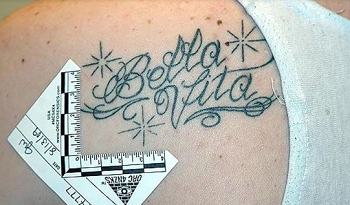
The prosecution opened their remarks to the jury by painting Casey Anthony as a thing of evil who deserved to die. They claimed Casey murdered her child so she could be free from parental responsibility and carry on a life of sex, drugs and rock n’ roll. An example was her excessive partying while Caylee was missing. To top it off, Casey got a new “Bella Vita” tattoo (meaning “Beautiful Life”) while Caylee was rotting in the rough. It was what the social media frenzy wanted to hear, and the state representatives assumed the jurors liked it too.

The defense took a different approach. They emphasized to jurors the state had absolutely no forensic evidence to prove their case and everything the jurors would hear was circumstantial or hearsay. Jose Baez took a calculated move. He told the jurist panel the state would offer no motive, no cause of death and no proof Caylee Anthony was intentionally killed. In fact, Baez said, there was every reason to believe Caylee accidentally drowned in the family swimming pool and it was George Anthony who covered-up and hid the body.

The hook was set and the jurors sat through 106 prosecution and defense witnesses. Some were forensic specialists. Some were civilians. And, some were members of the Anthony family.

The Case Falls Apart

Bit by bit, the defense team cross-examined expert and lay witnesses alike. Their constant focus was that no hard forensic evidence or “smoking gun” existed and therefore there was no conclusive proof of how Caylee Anthony died… or who killed her. All the while, the defense led by Baez suggested an accidental drowning and a panicked attempt at an in-family cover-up that Casey was not part of.

A big blow to the state was when the computer analyst evidence of “chloroform” searching fell apart. It turns out one expert witness used a flawed algorithm and the truth seemed to be that “chloroform” might have only been searched once. On the stand, Cindy Anthony (Casey’s mother) claimed it was she who searched  “chloroform” but couldn’t explain why. The prosecution asserted Cindy was covering up for Casey. The defense used the issue as a wide and unsettling smokescreen.

George Anthony became a lightning rod for the defense. They painted him as a sadistic child molester who sexually, physically and psychologically abused Casey as she grew up and caused her to be the loose and lying character she was. The stress was so bad that George Anthony threatened suicide and had to be hospitalized for psychiatric observation.

During the trial, the Baez team never entered a lick of evidence that Caylee drowned or that George Anthony had one bit of involvement in her death, never mind abusing Casey. They accomplished their strategy through suggestion, innuendo and letting their powerful opening statement stay planted in the jurors’ minds while the prosecution failed to squash that misleading bug.

In closing to the jury, prosecution lawyer Jeff Ashton told the panel to use their common sense when deciding their verdict. “No one makes an accident look like a murder,” Ashton said.

Jose Baez took a more strategic summation. He sensed jurors would base their verdict on emotion, not evidence. It might have been a gamble when Baez said, “If you hate her, if you think she’s a lying no-good slut then you’ll look at the evidence in that light. I told you at the very beginning of this case that this was an accident that snowballed out of control. What made it unique is not what happened, but who it happened to.”

He continued. “The burden rests on the shoulders of my colleagues at the state attorney’s office. They must prove their case beyond all reasonable doubt and jurors are required, whether they like it or not, to find the defendant not guilty if the state did not adequately prove its case against Casey Anthony.”

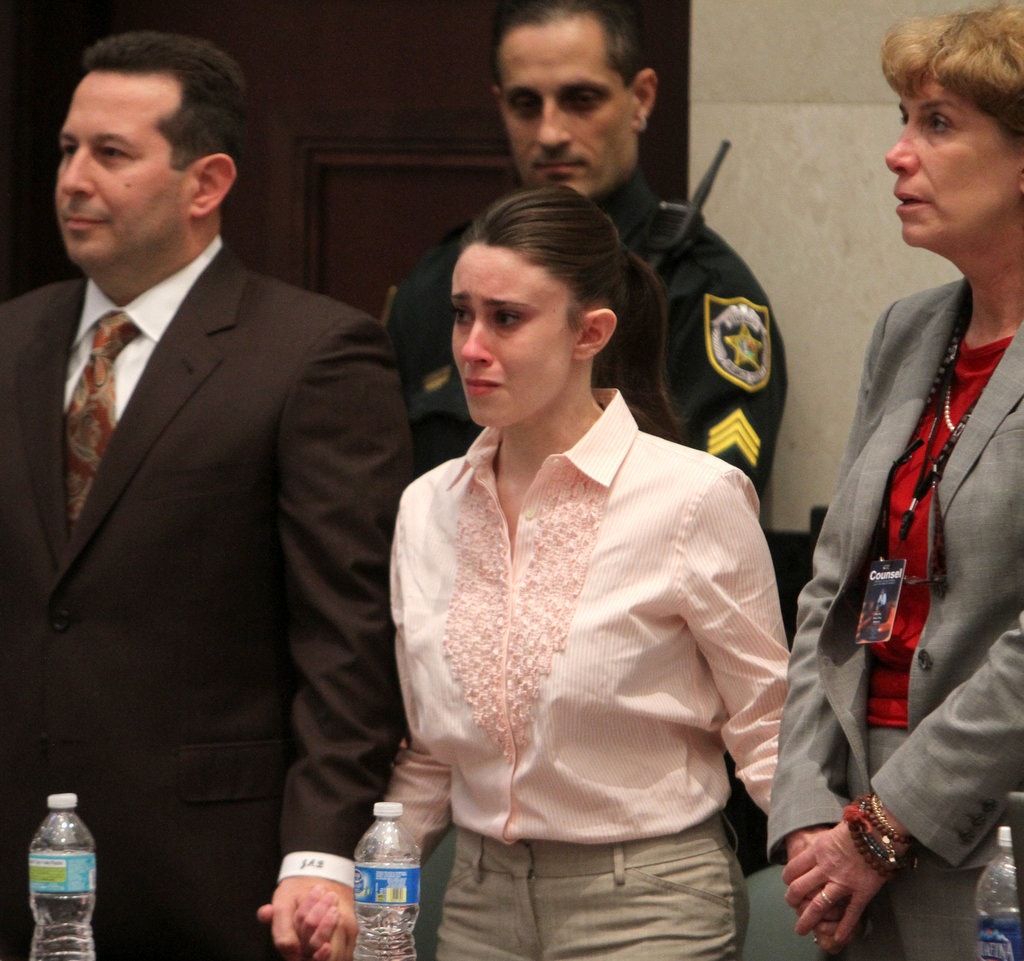
The jury deliberated for 10 hours and 40 minutes. On July 5, 2001 they returned with an acquittal on Casey Anthony for all charges except for the minor one of lying to police. Casey Anthony was granted time served, and she was out on the street in a week.

Why the Jury Acquitted Casey Anthony

There are two principles dear to Anglo-American criminal law. One is an accused is presumed to be innocent until proven guilty beyond all reasonable doubt. Second is an accused has the right to be tried by a jury of their peers. The peers must unanimously agree that all elements of the state’s case were supported by evidence that convinced them—beyond all reasonable doubt—that the accused committed the crime they were charged with.

That’s a big burden to carry. In Casey Anthony’s case, the jurors were not split on their decision. Each of the twelve jurors—unanimously—voted to acquit her because they felt—as a group—the prosecution failed to meet their burden of proof and did not take them—the jurors—over the threshold of doubt. Reasonable suspicion? Yes, in spades. But… not past reasonable doubt.

Why did this happen? There are twelve reasons. Some were acknowledged in public interviews jurors gave to media sources after the trial. Others are identified by psychologists and criminologists who’ve had nearly a decade to dissect the Casey Anthony case.

1. Casey Anthony’s legal defense team did a better job relating to the jury than the prosecution did. Jose Baez led a masterful coup of jurors’ emotions and used them to neutralize their feelings against Anthony. From his opening remarks, he and his support staff implanted seeds of doubt to have jurors discharge their duty in Anthony’s favor.

2. George and Cindy Anthony were unreliable witnesses. The jurors saw enough of their dysfunctional home structure to truly wonder if the grandparents had some part they weren’t telling. It was one more brick in the reasonable doubt wall. Jurors were initiated with the accidental drowning theory and they never got past it, regardless that no proof of an accident ever surfaced.

3. The “CSI Effect” came into play. This is a relatively new phenomenon with juries who’ve been exposed to TV shows and movies where the screenwriters manage to solve—beyond all reasonable doubt—their plot within their time frame through some sort of scientific or forensic proof. This didn’t happen in the Anthony trial, and throughout the defense kept using the term “fantasy forensics”.

4. Jury members got hung up on issues of motive and cause of death. Neither is a required element in proving a murder case, although they’re certainly nice to have to shore up a prosecution. Because the state never proved either motive or cause of death, the defense capitalized on this to further form doubt in the jurors’ view.

5. The prosecution became overzealous in persecuting Casey Anthony. Long before the trial, the state attorney’s office sought and got death penalty approval. They never relaxed on it. It was too much responsibility for the jury to know might send a young woman to her end if they convicted Casey Anthony with any sort of doubt in their minds.

6. The defense did an outstanding job of deselecting jury members. They “deselected” people rather than “selected” them. This was a truly unique approach. The defense team painstakingly used social media boards to build a profile of what a sympathetic (to the defense) juror would look like. They used this formula to question potential jurors and deselect or disqualify 392 candidates who didn’t fit their ideal profile.

7. The selected and accepted jury members were analytical types. They were interested in hard proof and not circumstantial evidence. When the “fantasy forensic” ruse set in, the jurors became more and more doubtful  they had any concrete evidence to convict Casey Anthony.

8. The jury was sequestered. They spent nearly a month and a half locked together. Humans being what they are, jurors quickly became a tribe. Leaders and followers emerged through group dynamics. Most humans prefer harmony to discord, and they naturally compromised in agreements. The Casey Anthony jury became one unit during their sequester period, and they solidified towards giving Anthony the benefit of the doubt despite compelling circumstantial evidence.

9. The jury played favorites with the lawyers. Jose Baez came across as a genuine, likeable person. In the words of one juror later interviewed, “He seemed like the only one in the room who cared. Jeff Ashton was ambitious and arrogant. He was mechanical and cold and we didn’t like him.”

10.  Jury members caved-in. In another interview, a Casey Anthony juror said, “We did our first vote and it came out half to acquit and half to convict. We talked about it for a while going through the evidence. I’d say some people got intense, but there were no personal attacks, no yelling. Then the vote was 11-1 to acquit. The one guy who wanted to convict basically looked at us and said, ‘Okay. Whatever you all want.’ He knew he wasn’t going to convince us.”

11. The prosecution failed to deliver clear, relatable and understandable circumstantial evidence. Still another juror had this to say. “The prosecutors didn’t give us enough evidence to convict. They gave us a lot of stuff that made us think she probably did something wrong, but not beyond a reasonable doubt. The prosecution didn’t even paint a picture for me to consider. How can you punish someone if you don’t know what they did?”

12. The jury members gradually diminished their common sense.  “No one makes an accident look like a murder.” They forgot the big picture—the duct tape murder weapon. This became not a trial about who intentionally killed an innocent and defenseless child. Here was a horrible mother who did not report her missing daughter and compounded the tragedy by lying to the police about what happened.

Casey Anthony refused to take the witness stand.

She had her chance to explain. There’s no other rational conclusion. Casey Anthony murdered Caylee and the jury wrongfully acquitted her.