Tag Archives: Murder

WHY WE LOVE GETTING SHIT-SCARED

A3We’re fascinated by monsters. Violent horror movies. Psychological crime thrillers. Blood, guts, and terror are blockbusters. They’ve been bestsellers for generations. Something’s buried deep in our collective subconscious that craves fright—something hard-wired in our brains that physiologically reacts in a fight-or-flight response when facing horrific, brutal, and shocking creatures and events.
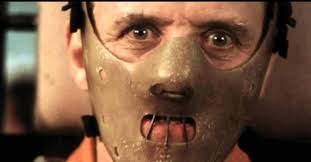
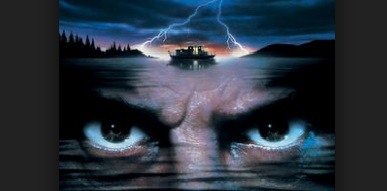
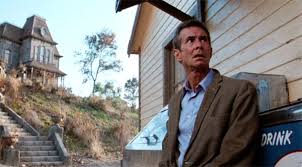
A1We know lots of fictional monsters. Freddy Krueger. Norman Bates. Hannibal Lector. They’re household names. We love watching them perform—from a safe distance. But most know nothing of real-life monsters like Michael Oros, Billy Ray Shaughnessy, Esa Raasanen, and David Shearing. I guarantee these creeps will scare the living shit out of you because I know who they are…what they’ve done…what they can do…

I’ve investigated them. I’ve written about them. And I’ll tell you about these true-life monsters in a bit.

So, why do we love fright? Because fright gives us pleasure.
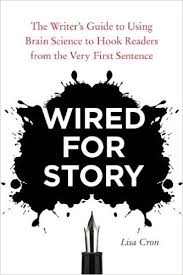
A4My internet friend, Lisa Cron, wrote Wired For Story. This was a game changer for me. As a crime thriller author, I wanted to know what makes psychological crime thriller readers tick—why so many are fascinated with death—so I could write better stories.

Particularly murder stories.

Lisa explained shock is the triggering mechanism for releasing our brain’s chemicals that active a fight-or-flight response. Our brains are lightning fast at assessing threats. Shock stimulus shoots adrenaline, oxytocin, endorphins, and dopamine re-uptakes through our neurotransmitters. This mentally and physically prepares our neuromuscular systems for a drastic response. It shoves us to the edge of the mental cliff.

Ready to run. Or fit to fight. But not to fall.

These natural chemicals are also responsible for giving us pleasure. This shock rush is like crack to the brain and it craves a repeat—provided we know we’re in a safe environment—subconsciously reassured when we’re at home, quietly watching TV or reading a book.

Lisa says more about why our brains crave fright. Ultimately, our brain has one overall responsibility for the rest of our body.

To ensure our survival.
A5Our brains evaluate everything we encounter with a simple question. Is this going to help me or hurt me? Not just physically.

Emotionally, as well.

From the start of a story—from the very first scene—our brains crave a sense of urgency that instantly makes us want to know what happens next. It’s a visceral feeling…seducing us into leaving the real world behind and surrendering into world of story. Our brain’s goal is to predict what might happen so we can figure out what to do before it happens.

This is where shock value comes in. And where the monsters come on.
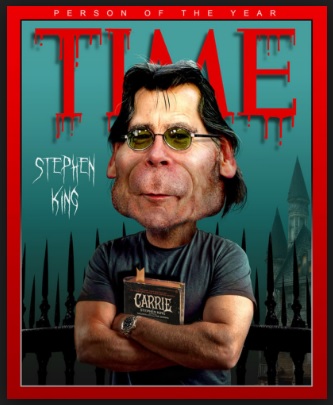
A7Storytelling’s master of monsters and sheik of shock is Stephen King. He’s scared the shit out of millions and his audience is massive. They love it and keep coming back for more. It’s because Stephen King gives readers pleasure.

I’ve repeatedly sent emails to Stephen King asking permission to republish an outstanding article he wrote years ago. It’s called Why We Crave Horror Movies.

I don’t know if the master’s too busy or if I’m a small pupil, but Stephen King ignores me. Nerve of him, after all the money I spent on his stuff.

So I said “Fuck Stephen King.” I’m tired of waiting.
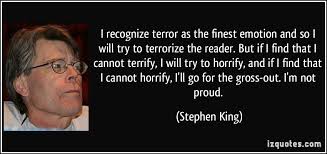
A8Stephen King’s piece on why we love getting shit-scared is just too good not to share. Therefore, I evoke the “doctrine of fair use and open source domain in accordance to the statutory and common-law allowances of the country of publication”. Besides, you can download and read the pdf here.

*   *   *

Why We Crave Horror Movies–By Stephen King

I think that we’re all mentally ill; those of us outside the asylums only hide it a little better—and maybe not all that much better, after all. We’ve all known people who talk to themselves, people who sometimes squinch their faces into horrible grimaces when they believe no one is watching, people who have some hysterical fear—of snakes, the dark, the tight place, the long drop . . . and, of course, those final worms and grubs that are waiting so patiently underground.
When we pay our four or five bucks and seat ourselves at tenth-row center in a theater showing a horror movie, we are daring the nightmare.
Why? Some of the reasons are simple and obvious. To show that we can, that we are not afraid, that we can ride this roller coaster. Which is not to say that a really good horror movie may not surprise a scream out of us at some point, the way we may scream when the roller coaster twists through a complete 360 or plows through a lake at the bottom of the drop. And horror movies, like roller coasters, have always been the special province of the young; by the time one turns 40 or 50, one’s appetite for double twists or 360-degree loops may be considerably depleted.
A9

We also go to re-establish our feelings of essential normality; the horror movie is innately conservative, even reactionary. Freda Jackson as the horrible melting woman in Die, Monster, Die! confirms for us that no matter how far we may be removed from the beauty of a Robert Redford or a Diana Ross, we are still light-years from true ugliness.
And we go to have fun.
Ah, but this is where the ground starts to slope away, isn’t it? Because this is a very peculiar sort of fun, indeed. The fun comes from seeing others menaced – sometimes killed. One critic has suggested that if pro football has become the voyeur’s version of combat, then the horror film has become the modern version of the public lynching.
It is true that the mythic “fairy-tale” horror film intends to take away the shades of gray . . . . It urges us to put away our more civilized and adult penchant for analysis and to become children again, seeing things in pure blacks and whites. It may be that horror movies provide psychic relief on this level because this invitation to lapse into simplicity, irrationality, and even outright madness is extended so rarely. We are told we may allow our emotions a free rein . . . or no rein at all.
A10

If we are all insane, then sanity becomes a matter of degree.
If your insanity leads you to carve up women like Jack the Ripper or the Cleveland Torso Murderer, we clap you away in the funny farm (but neither of those two amateur-night surgeons was ever caught, heh-heh-heh); if, on the other hand, your insanity leads you only to talk to yourself when you’re under stress or to pick your nose on your morning bus, then you are left alone to go about your business . . . though it is doubtful that you will ever be invited to the best parties.
The potential lyncher is in almost all of us (excluding saints, past and present; but then, most saints have been crazy in their own ways), and every now and then, he has to be let loose to scream and roll around in the grass. Our emotions and our fears form their own body, and we recognize that it demands its own exercise to maintain proper muscle tone. Certain of these emotional muscles are accepted – even exalted – in civilized society; they are, of course, the emotions that tend to maintain the status quo of civilization itself. Love, friendship, loyalty, kindness — these are all the emotions that we applaud, emotions that have been immortalized in the couplets of Hallmark cards and in the verses (I don’t dare call it poetry) of Leonard Nimoy.
When we exhibit these emotions, society showers us with positive reinforcement; we learn this even before we get out of diapers. When, as children, we hug our rotten little puke of a sister and give her a kiss, all the aunts and uncles smile and twit and cry, “Isn’t he the sweetest little thing?” Such coveted treats as chocolate-covered graham crackers often follow. But if we deliberately slam the rotten little puke of a sister’s fingers in the door, sanctions follow – angry remonstrance from parents, aunts and uncles; instead of a chocolate-covered graham cracker, a spanking.

A11

But anticivilization emotions don’t go away, and they demand periodic exercise. We have such “sick” jokes as, “What’s the difference between a truckload of bowling balls and a truckload of dead babies?” (You can’t unload a truckload of bowling balls with a pitchfork . . . a joke, by the way, that I heard originally from a ten-year-old.) Such a joke may surprise a laugh or a grin out of us even as we recoil, a possibility that confirms the thesis: If we share a brotherhood of man, then we also share an insanity of man. None of which is intended as a defense of either the sick joke or insanity but merely as an explanation of why the best horror films, like the best fairy tales, manage to be reactionary, anarchistic, and revolutionary all at the same time.

A12The mythic horror movie, like the sick joke, has a dirty job to do. It deliberately appeals to all that is worst in us. It is morbidity unchained, our most base instincts let free, our nastiest fantasies realized . . . and it all happens, fittingly enough, in the dark. For those reasons, good liberals often shy away from horror films. For myself, I like to see the most aggressive of them – Dawn of the Dead, for instance – as lifting a trap door in the civilized forebrain and throwing a basket of raw meat to the hungry alligators swimming around in that subterranean river beneath.

Why bother?
Because it keeps them from getting out, man. It keeps them down there and me up here. It was Lennon and McCartney who said that all you need is love, and I would agree with that.
As long as you keep the gators fed.

*   *   *

There. That’s the best explanation of why we love getting shit-scared.

A14So where am I going with this monster, fear, and pleasure thing? Well, I’m doing shameless, self-promotion for the stories I write.

I write about human monsters because I’ve met a bunch and I try explaining how I think these extremely dangerous, fascinating, social-rejects operate. I also try portraying how police investigators behave—how real cops use creative and technological aids in modern-day monster-catching.

I believe an author’s storytelling job is to entertain, educate, and enlighten—and I believe there’s an intense reader interest in psychological crime thrillers. Here’s a snapshot of what I’m up to.
KushtakaNo Witnesses To Nothing is based on the true story of Michael Oros—a deranged bushman, terrorizing the frozen Canadian north and murdering people. Legend said Oros was the monstrous manifestation of a mythical shapeshifter who hunts people, kills them, and steals their souls. It’s also an intertwined, true story of two police informants who were murdered in apparent police-ordered hits. Deep down, No Witnesses To Nothing is not really a crime thriller. It’s a serious search for the science and spirituality behind our human existence. The soul.

Get No Witnesses To Nothing here.
NoLifeUntilDeath8No Life Until Death is the black-market world of international human organ trafficking. It parlays characters from No Witnesses To Nothing and continues the series of Sharlene Bate Crime Thrillers. No Life Until Death follows paths of two families whose daughters are targeted by a monstrous pair of abductors harvesting human organs in North America and shipping parts to the Philippines. No Life Until Death‘s tagline is Desperate People Do Desperate Things.

Get No Life Until Death here.
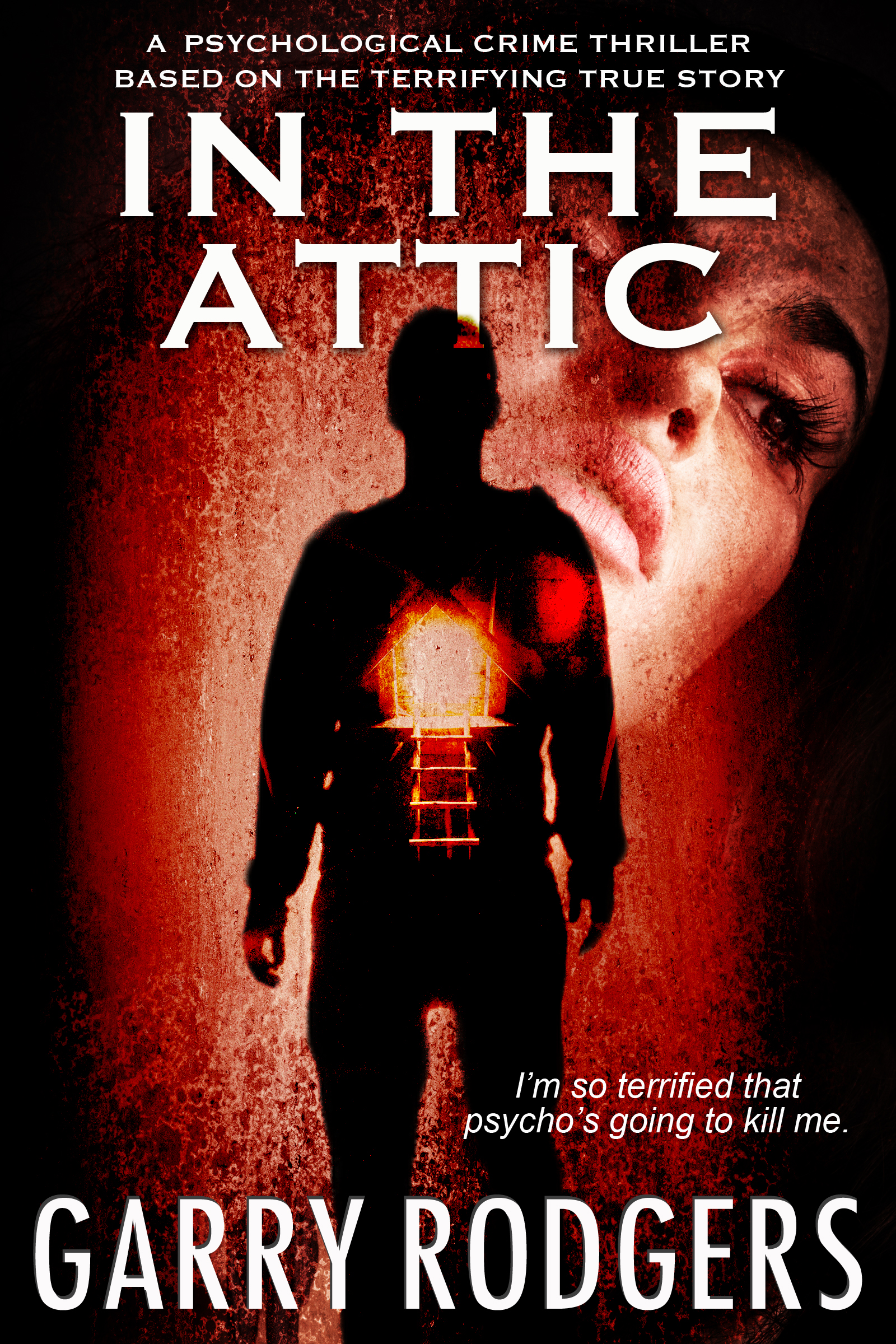
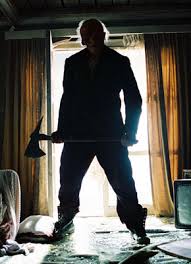
InTheAttic2In The Attic is the true story I investigated where Billy Ray Shaughnessy, a monstrous psychopath, hid in Maria Dersch’s attic with an ax. He climbed down at 3 a.m., slaughtering Maria and her new lover. It’s told in first-person with me, as the detective, narrating the story before and after the murders, as well as in Billy Ray’s homicidal thoughts while he lurked eight feet above. In The Attic‘s dialogue comes from actual transcripts and notes of my interviews with Maria and Billy Ray.

Get In The Attic here.

UnderTheGround8Under The Ground is from another factual case—the story of Esa Raasanaen and Kristen Madsen. It’s a monstrous tale of murder where Kristen disappeared and Esa was suspected of killing Kristen, disposing of her body. Under The Ground follows a highly-complex, psychological undercover sting where Esa was sucked into a fictional organized crime group. He confessed to the undercover operator and turned over Kristen’s body. What Esa did to Kristen…where he’d hidden her…was horrific—shocking to the most seasoned homicide investigators.
A15From The Shadows is my newest crime-thriller. The manuscript is underway. It’s based on the shocking true story of the worst monster imaginable. David Shearing murdered six members of the Johnson-Bentley family—three generations—to fulfill his psychopathic and pedophilic desire in capturing two pre-teen girls as sex slaves. From The Shadows follows the discovery of an unspeakable crime, the frustrating two-year investigation, and the final psychological break-down of Shearing during an outstanding police interrogation.

No Witnesses To Nothing, No Life Until Death, and In The Attic are currently available on Amazon.

Under The Ground is readying for publication. From The Shadows is close behind. I’m looking for ARC (Advance Reading Copy) readers for these two stories, so if you’d like an eBook file of either/both, email me at garry.rodgers@shaw.ca and I’ll ship you the monster stories.
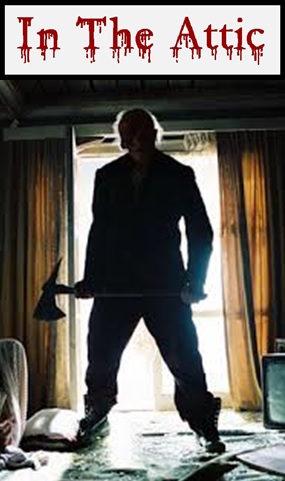
…provided you love getting shit-scared.

*   *   *

P.S. — Please comment, share on social media, and – if you’ve read the books – I’d really appreciate if you’d take a moment to leave a short review on Amazon. And thanks for your support in my writing and for following DyingWords!
~ Garry

FIFTEEN FAMOUS AX-MURDER CASES

Attic Image 4There’s something terrifying—absolutely horrific—about being axed to death. Hollywood’s made a killing off movies like The Shining, American Psycho, and So I Married An Ax-Murderer, not to mention Lord Of The Rings where Gimley, the ginger-bearded psycho-dwarf, double-blades dozens of ornery Orks. But movies aren’t real—not real life, that is. In reality, ax-murder victims don’t get up to act another day. I’ve investigated a few real-life ax-murders in my time, including one gruesome and grotesque axing scene that tops anything Hollywood has yet to script.

In fact, I’m just about finished the manuscript for In The Attic. It’s based on a true double ax-murder story and I’ll tell you what happened in that bedroom… eight feet below the attic. But first, let’s look at some other famous ax-murders that compete with my case.

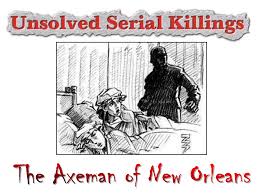
15. The Axman of New Orleans

A13Between May, 1918 and October, 1919 six men and six women were attacked in their Lower Ward homes and hacked to death with an ax. The MO was consistent. The killer knew when the victims were vulnerable. Entry was made through the back door. There were no sexual overtones, no evidence of robbery, and a common denominator was that all victims were Caucasian and mostly from Italian-American heritage. The series of killings stopped as abruptly as they started and no viable suspect was ever developed.

14. The Servant Girl Annihilator

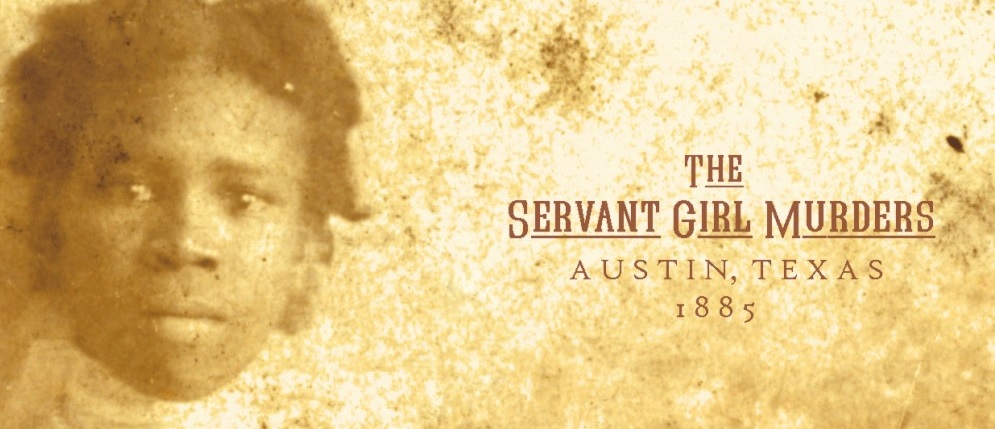
A series of eight ax-murders occurred in Austin, Texas in 1885 where the victims were young ladies who worked as servants to wealthy employers. All were chopped in their sleep in their detached quarters. Six victims were black. Two were white. No one was arrested in the cases and they also ended abruptly. In 2014, an investigative report for PBS identified a strong suspect as Nathan Elgin, a 19-year-old African-American cook who was known to many victims. Elgin was shot by police after attacking a similar servant girl with an ax. No other Austin ax-murders took place in this string after his death.

A17

13. Frances Stewart Silver

“Frankie” Silver was hanged in 1833 for the ax-murder of her husband, Charles Silver. His dismembered body was found distributed around the family’s North Carolina farm. Frankie never confessed and, despite weak evidence, a jury convicted her. No motive was established. Prior to her execution, she was sprung from jail through a well-planned break and was disguised as a man. She was caught attempting to flee the state and returned to the gallows.

12. The Crazed Captain

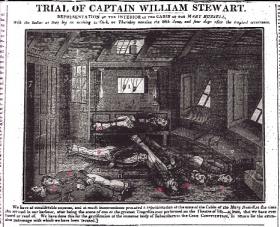
A18William Stewart was the skipper of the Mary Russell, a trading boat returning to England from Barbados. He suffered paranoid delusions and accused seven crew members of conspiring to mutiny. One by one, he lured the innocent men to the ship’s salon and enlisted three other young crew members to overpower the innocent men, binding them hand and foot then pinioning them to the floor. Once all seven were restrained, Captain Stewart took the ship’s fire-ax and systematically split their skulls. He was found not guilty by reason of insanity. The Mary Russell became known as the ship of seven murders.

11. Karl Denke

By day, this guy was an organ player at a church in the Kingdom of Prussia. By night, he chopped people up with his ax and stored their flesh in huge vats of pickling salt. He was caught axing a man to death at Christmas in 1924. When police searched Denke’s home, they found his business ledger documenting 42 other humans Denke killed and commercially processed. He was selling the meat at the market labeled as salt-pork. Two days after his arrest, Dehke hung himself in jail.

10. The Tokoloshe

Elifasi Msomi was called The Ax Killer in his village in South Africa. He started an 18-month killing spree in 1953 where he raped and murdered six children by hacking them apart and disposing of their parts in a valley. When caught, he claimed to be possessed by an evil spirit called the Tokoloshe. Superstitious Zulu elders bought his claim and freed Msomi after exorcising the entity. When Msomi went back to business, higher authorities stepped in and re-arrested him. A psychological assessment found Msomi to be of very high intelligence, near brilliant, however derived sexual pleasure from inflicting pain and death upon young children. He got hung.

A19

9. The Greenough Family Massacre

This took place in Greenough, Western Australia. In 1993, Karen MacKenzie and her three children Daniel (16), Amara (7), and Katrina (5) were so savagely ax-murdered on their remote rural farm that the trial judge ordered the details of the killings sealed, stating they were too gruesome for public knowledge. Bill Mitchell, their 24-year-old farmhand, was convicted in the murders as well as for performing sexual assaults on the dead bodies. He’s serving life sentences and was recently eligible for parole. It was denied.

8. The Hexing Axer

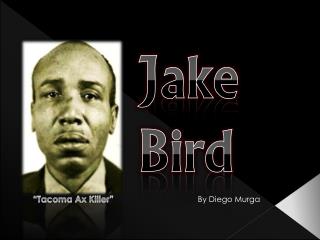
A20Jake Bird, also known as the Tacoma Ax-Killer, was convicted in the 1947 murders of a mother and daughter in Tacoma, Washington. He got caught fleeing the scene, barefoot, after police were called to reports of horrific screams coming from the house. Bird had the victims’ blood and brain matter on his hands, feet, and clothes as well as his bloody fingerprints on the ax found by the bodies.

At his sentencing to hang, Bird stated to the courtroom, “I’m putting the Jake Bird hex on all of you who had anything to do with my being punished. Mark my words, you will die before I do.”

A21Allegedly, six of these people died before Bird was hung in 1949; the judge, the officer who interrogated Bird’s primary confession, the officer who interrogated a secondary confession to other murders, the court clerk, an attending guard, and Bird’s own defense lawyer. Bird progressively confessed to 46 other murders, saying he liked to use an ax because it did the job very well.

7. The Police Corruption Ax-Murder

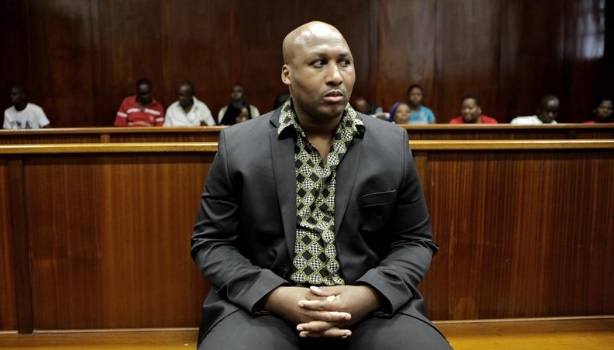
Daniel Morgan was a private investigator who was digging into allegations of drug-related police corruption in the southeast section of London. In 1987, Morgan was found dead in a park with a massive ax-wound to the back of his head. This opened up a massive investigation into police corruption that resulted in five public inquiries. A number of officers have been charged with many offenses such as drug trafficking, extortion, conspiracy, and cover-ups, but who axed Daniel Morgan remains a secret. The investigation is ongoing.

6. Joseph Ntshongwana

Here’s another South African who was good with an ax. He was also good at sports, being a professional rugby player. But something wasn’t playing right in Joseph’s head. He convinced himself that four men gang-raped his daughter and gave her an HIV infection. He hunted and hacked the men, holding their heads as hostages. At his arraignment, Joe spoke in tongues and called to deities. The court called it faking insanity and declared him fit to stand trial. Joseph Ntshongwana’s now serving life… in maximum security.

A22

5. Victor Licata

A23This guy did-in five members of his own family back in 1933. The Tampa, Flordia man was 21 when he went on a psychotic rampage and axed his way around the house. His mother, father, two brothers, a sister, and the family dog were slaughtered in their sleep. When arrested, Licata was dressed in clean clothes while his body underneath was covered with dried blood. Prior to the murders, his parents were trying to have him committed to a mental institute. They were too late. Licata eventually hung himself in a hospital for the criminally insane.

4. The Black Widow Ax-Murderer

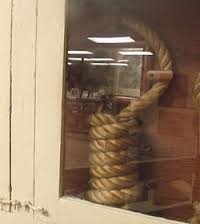
A24Eva Dugan was convicted of killing her fifth husband, Charlie, in Arizona back in the 1920’s. She, like others in this article, used an ax. Eva dismembered Charlie, then buried him in the desert. She was caught—I’m not sure how—and sentenced to hang. Eva became more famous in death because the hangman miscalculated and she was decapitated. They said Eva’s head came to a rolling stop in front of the witnesses, some of which fainted. The error led to Arizona adopting the gas chamber. The noose used to kill Eva Dugan is now on display at the Pinal County Historical Museum in Florence, Arizona.

3. Lizzie Borden

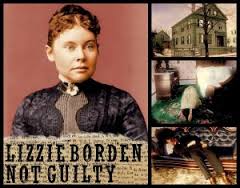
A25As the song goes, “Lizzie Borden took an ax and gave her mother forty whacks. When she saw what she had done, she gave her father forty-one.”  This occurred in Fall River, Massachusetts in 1892. Lizzie Borden was acquitted of her parents’ murders, though history gives every indication she was dirty as a tree root. The motive appeared financial and Lizzie was perfectly sane. The house where the Borden murders took place is now a Bed & Breakfast / Museum and even has a giftshop where you can buy a Lizzie Borden Bobble Head doll. It’s blood-spattered and holding an ax. Now how cool is that? Click Here to visit or book a night.

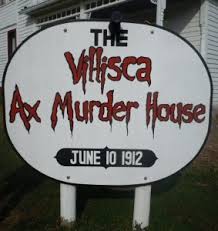
2. The Villisca Ax-Murders

A5Probably the most famous ax-murder case… still unsolved… was in June of 1912. Six Moore family members and two child guests were savagely axed in a house in Villisca, Iowa. Evidence showed the killer hid in the attic and crept down while they slept, dispatching them one… by… one… a number of suspects… were identified… no one charged…. let alone convicted… motive unknown… crimes unsolved… the house is also a museum…

1. In The Attic

Now it’s my turn. I’m writing my next novel titled In The Attic. It’s based on the true double-ax-murders I investigated when I was a cop. Maria Dersch, the complainant/victim, came to my police office seeking protection from her ex-boyfriend, Billy Ray Shaughnessy. He’d just raped Maria at knife point, promised to kill her if caught with another man, then snuck back and sliced-up Maria’s clothes.

I’m the poor bastard who got handed the file.

AtticSo, I took an audio-recorded statement from Maria. It opened “I’m so terrified that psycho’s going to kill me.” I went to Maria’s house to find Billy Ray. To arrest Billy Ray. To photo Maria’s clothes as evidence. He was nowhere to be found. I took this serious. I arranged for others to stay with Maria until Billy Ray could be caught… even arranged for the locks to be changed on Maria’s doors.

Two and a half days later, Maria and a male friend—Earl Barker, who stayed to protect Maria—were savagely slaughtered in their sleep. Billy Ray climbed down from the attic at 3 am with an ax. The scene looked like a bomb blasted a barrel of blood. He’d been in the attic… the whole fucking time… while I photographed the clothes… changed the locks… protected Maria…

In The Attic’s point of view tells in first-person with me, the nameless detective, narrating the investigation. Uniquely, it’s also told from Billy Ray’s perspective—his thoughts told to me about lurking above. In The Attic is nearly complete and I’m looking for potential victims who’d like ARC’s, Advance Reading Copies in exchange for reviews. In The Attic is available about mid-June in ePub, Mobi/Kindle, and PDF if anyone wants dibs.

Please leave a comment or email me at garry.rodgers@shaw.ca and I’ll ship you a copy of…

Attic Image 2

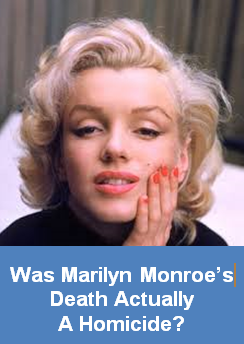
WAS MARILYN MONROE’S DEATH ACTUALLY A HOMICIDE?

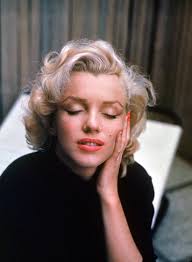
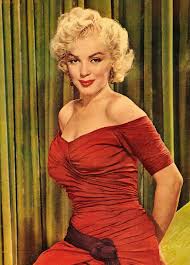
No movie star lived on after death like Marilyn Monroe. She was far more than a bleached-blonde bombshell with a voluptuous frame and a lusty voice—she intuitively knew her craft. Born in poverty as Norma Jean Mortenson (aka Baker) to a mentally unstable mother, Marilyn Monroe rose to Hollywood glamor, fame, and idolization beyond what few ever reach. Tragically, by the time she died at age thirty-six, her performing career had spiraled into the same abyss her personal relationships and head space were already in.

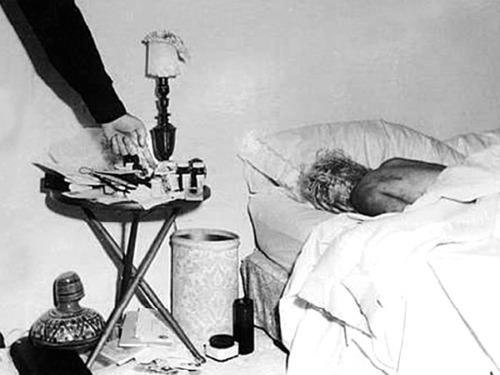
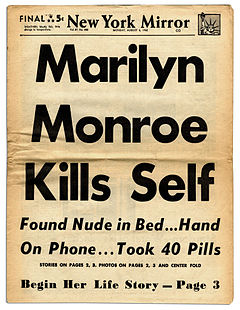
MM10Marilyn Monroe was found dead in her Beverly Hills bed at 3 a.m. on Sunday, August 5, 1962. The scene (at the time) suggested nothing suspicious—no foul play or culpable act, that is—and the toxicology results from her autopsy proved she’d succumbed to a lethal dose of prescription drugs. The coroner ruled her death as “probable suicide” but, like the deaths of other uber-celebrities, many people mumbled murder. Monroe’s death was reinvestigated in 1992 by the Los Angeles District Attorney who came to the same conclusion — “probable suicide”.

“Probable” is not in the official vocabulary of today’s coroner-speak. Neither is “possibly”. Everywhere in the civilized world, coroners are mandated by legislation to rule classifications of death as being in one of five definite categories: Natural, Homicide, Accident, Suicide, or Undetermined. Now, fifty-nine years later, an impartial look at Monroe’s case facts indicate her death classification definitely was not natural and cannot conclusively be classed as an accident or a suicide.

Does that mean Marilyn Munroe’s death was actually a homicide?

A7On the day of her death, many people were in Marilyn Monroe’s company. None reported any immediately implied threat or perceived action from Monroe that suggested an imminent danger of suicide, nor any behavior that was outside of her already troubled mental state of manic highs and depressive lows. She’d a history of emotional instability that, today, would likely be classified as Bipolar II Disorder, and she was under the continual care of a general physician and a psychiatrist. Monroe was no stranger to prescription pharmaceuticals, specifically anti-depressants and sleeping pills, but she was a relatively light alcohol drinker.

Marilyn Monroe had a difficult year in 1961. She worked very little due to health issues. Besides her emotional imbalance and substance dependency, she underwent surgery for endometriosis (uterus ailment) and a cholecystectomy (gall bladder removal), then suffered a painful attack of sinusitis. Her stress level soared from a lawsuit with 20th Century Fox where they sued Monroe for breach of contract—her erratic behavior led to delays in filming, disputes with cast and crew, then finally a stop of production.

A14On Saturday morning, August 4, Marilyn Monroe met with her official photographer and discussed an upcoming Playboy deal, then kept a massage appointment, a meeting with her publicist, talked with friends on the phone, and signed for deliveries for her house renovation. She was visited by her psychiatrist, Dr. Ralph Greenson, in the late afternoon for a scheduled therapy session. Greenson left around 7 p.m. and reported no alarming behavior, however he ensured that Monroe’s housekeeper, Eunice Murray, would be staying overnight.

Marilyn Monroe retired to her bedroom around 8 p.m.The last person to have contact with Monroe was actor Peter Lawford who invited her to a Hollywood party. He reported that in their phone conversation Monroe sounded tired—sleepy—as under the influence of drugs. After their call, Lawford became alarmed and phoned back to the house where he got Murray. She assured him everything was fine with Monroe.

A22At 3 a.m. on Sunday morning, Eunice Murray woke and noticed light coming from under Monroe’s bedroom door. Sensing something not right, Murray tapped on the door. There was no response so she tried the handle and found it locked, which she stated was unusual.

Now alarmed, Murray phoned Dr. Greenson who instructed her to go outside and look through the bedroom window. She did and observed Marilyn Monroe lying facedown on the bed, covered in a sheet, and clutching a telephone receiver in her right hand.

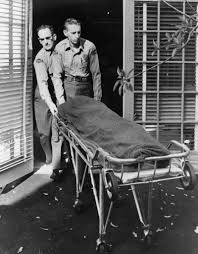
Greenson arrived at approximately 3:20 a.m., broke the window with a fireplace poker, and climbed in. Immediately he could tell Monroe had been dead for some time and it was pointless to call an ambulance or attempt resuscitation. Greenson phoned Monroe’s physician, Dr. Hyman Engelberg, who arrived at around 3:50 a.m. Engelberg examined Monroe by removing the phone receiver and rolling her over, officially pronouncing death. At 4:25 a.m. they notified the LAPD.

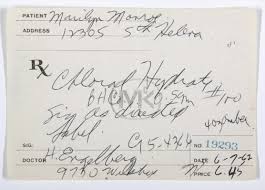
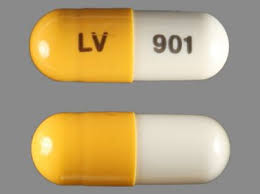
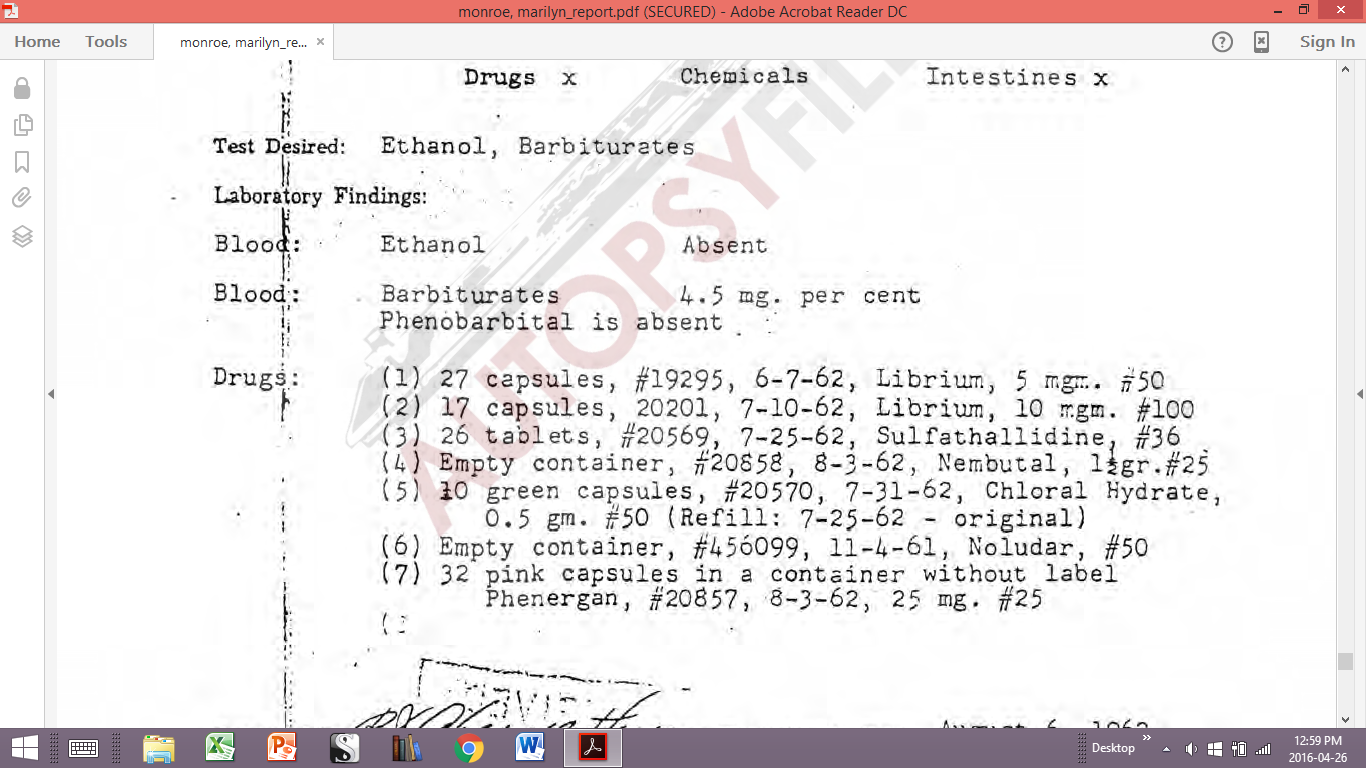
MM2The attending detective agreed with the two doctors that there was nothing to indicate foul play and the death was most likely a drug overdose. The detective photographed the scene and recorded the “pill count” of the pharmaceutical vials on Monroe’s nightstand. Dr. Engelberg noted a vial containing twenty-five capsules of the barbiturate Nembutal that he’d prescribed two days earlier was empty. Vials with other prescriptions appeared in order including one containing the sleeping sedative Chloral Hydrate.

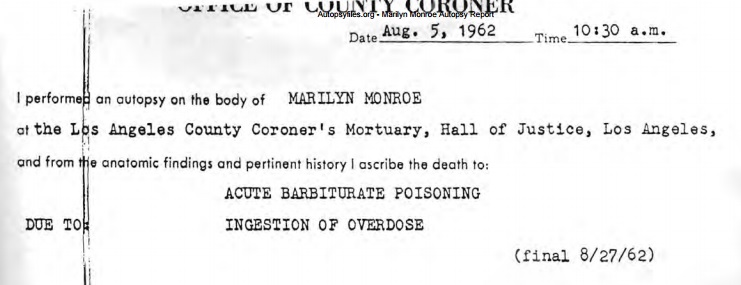
Marilyn Monroe was autopsied on the morning of August 6 by pathologist Dr. Thomas Noguchi who would later be known as “Coroner To The Stars” for his many postmortem exams on celebrities. His original autopsy report is on the public record and can be downloaded.

A20Noguchi is very clear in his report, and in many subsequent interviews, that he found no evidence of physical trauma—specifically needle marks—on Monroe’s body. Based on his observations and those of Drs. Greenson and Engelberg regarding Monroe’s rigor, livor, algor, and palor mortis conditions, he felt reasonable to estimate her time of death between 8 and no later than 10 p.m. the previous night. Noguchi found no natural cause of death and waited for the toxicology report before forming his final conclusions.

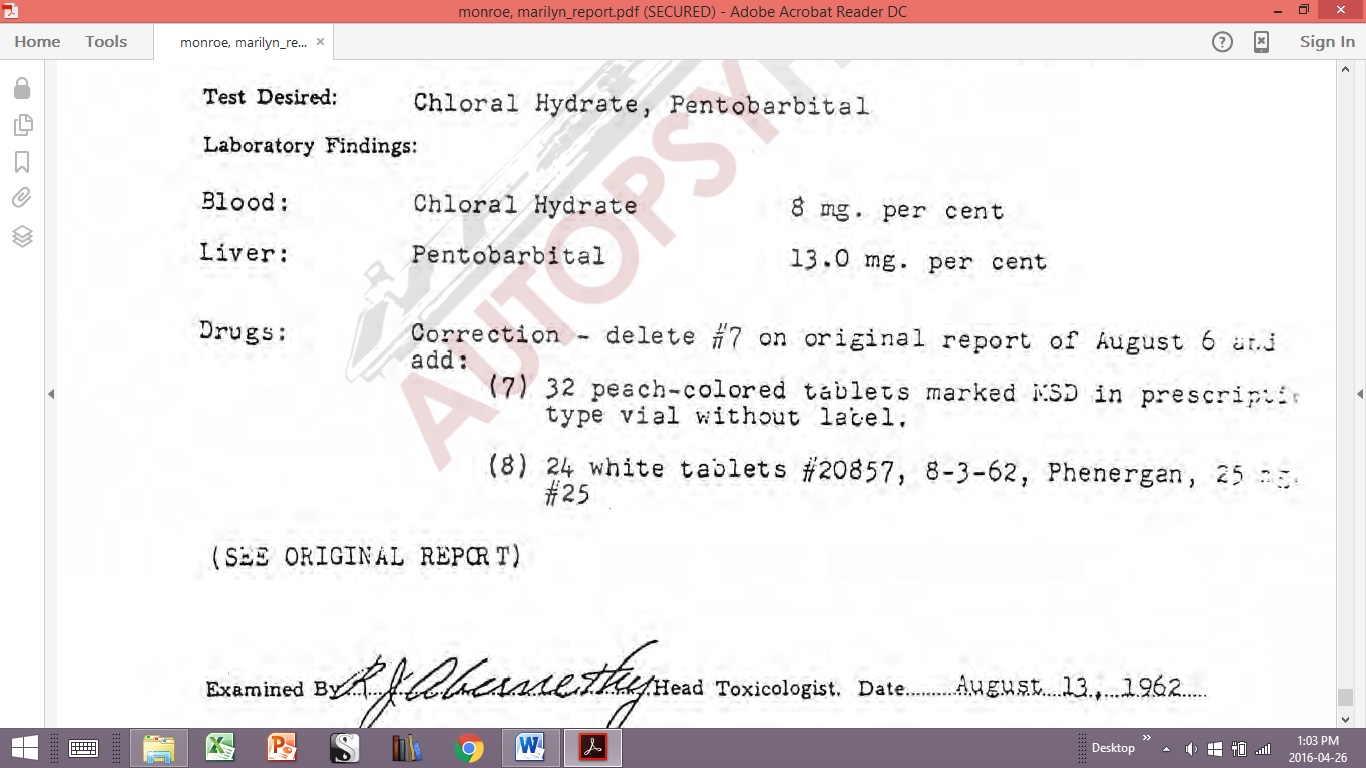
The tox screen was done by the LA County Coroner’s laboratory and released on August 13. The results concluded  Monroe’s blood contained 4.5 milligrams (percent) of Nembutal and 8.0 milligrams (percent) of Chloral Hydrate. Her liver contained 13.0 milligrams (percent) of Pentobarbital. Blood ethanol (alcohol) was absent.

MM8

Noguchi was satisfied the combination of Nembutal and Chloral Hydrate levels in Monroe was sufficiently high to cause her death through respiratory and central nervous system failure and he knew the Pentobarbital stored in her liver was simply indicative of someone who had long exposure to barbiturates and developed a “tolerance”. Noguchi certified the cause as “acute barbiturate poisoning due to ingestion of overdose” but he was reluctant to rule the classification as “suicide”. Though Noguchi was certain no evidence existed to suggest the death was an intentional homicide, he was uncomfortable with there being no clear evidence that Monroe intended to take her own life.

There were no immediate threats, no suicide note, no warning behavior, and not all the Chloral Hydrate pills were consumed, not like the Nembutal.

A23It might be an accidental OD, Noguchi thought, and he was troubled by the fact Monroe had been prescribed the amounts of Nembutal and Chloral Hydrate at the same time—her physician had to have known they’d be lethal if mixed a large quantity.

Noguchi was under pressure—political pressure, if you will—from the elected Chief Coroner of Los Angeles County to shut down media speculation that there might be more to Monroe’s death than a sad case of a despondent star intentionally extinguishing her light. The Chief and Noguchi reached a temporary compromise that they’d say Monroe’s death was a “probable” suicide.

A21Noguchi didn’t go so far as to insinuate negligence by Monroe’s caregivers might be the smoking gun, yet he requested a “psychological autopsy” to investigate Marilyn Monroe’s mental state leading to her death. Without clear evidence of an intentional suicide, the pattern of Monroe’s behavior was crucial in corroborating a suicide rule.

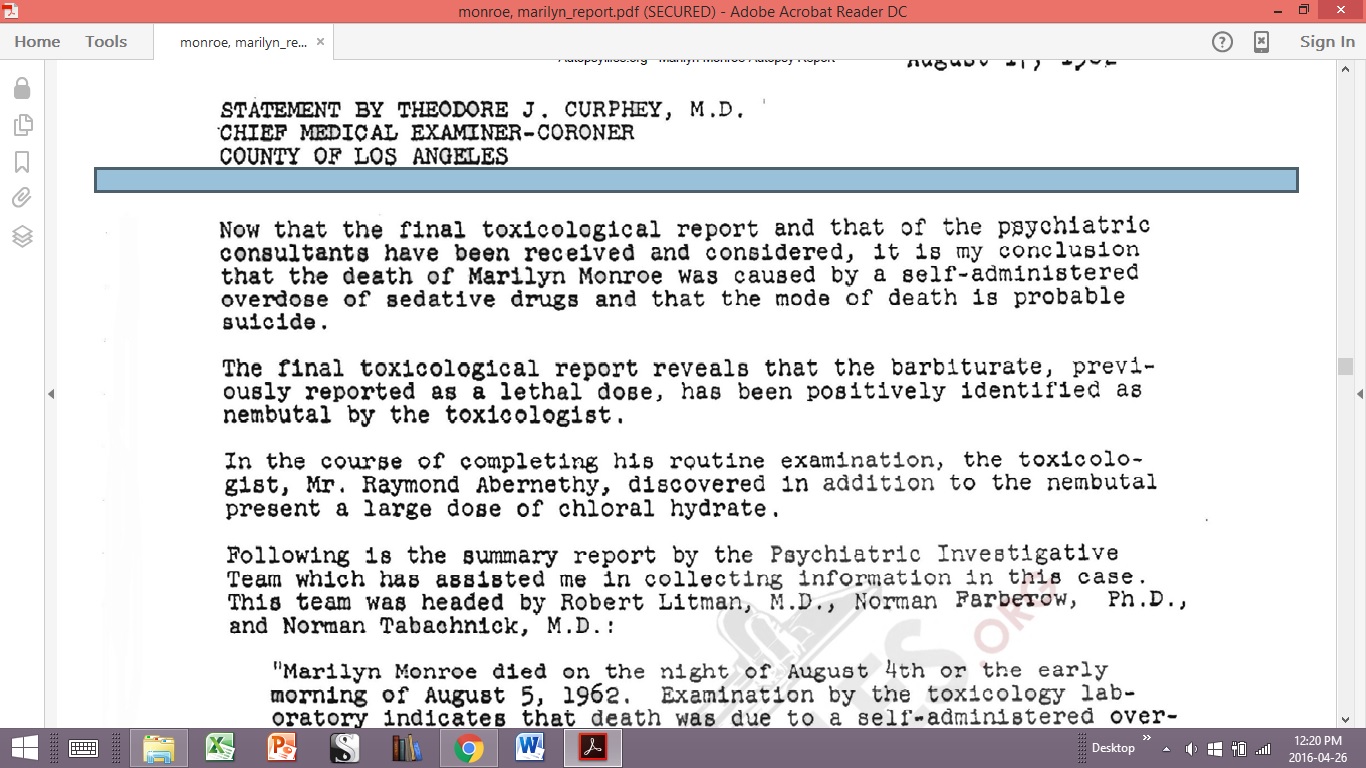
This statement was issued by LA County Chief Coroner Theodore J. Curphey. It’s an addendum to Noguchi’s final autopsy report:

“Following is the summary report by the Psychiatric Investigative Team which assisted me in collecting information in this case. The team was headed by Robert Litman, M.D., Norman Farberow. Ph. D., and Norman Tabachnick, M.D.:

‘Marilyn Monroe died on the night of August 4th or the early morning of August 5th, 1962. Examination by the toxicology laboratory indicates that death was due to a self-administered overdose of sedative drugs. We have been asked, as consultants, to examine the life situation of the deceased and to give an opinion of the intent of Miss Monroe when she ingested the sedative drugs which caused her death. From the data obtained, the following points are the most important and relevant:
Miss Monroe suffered from psychiatric disturbance for a long time. She experienced severe fears and frequent depressions. Mood changes were abrupt and unpredictable. Among symptoms of disorganization, sleep disturbance was prominent, for which she had been taking sedative drugs for many years. She was thus familiar with and experienced in the use of sedative drugs and well aware of their dangers.
Recently, one of the main objectives of her psychiatric treatment had been the reduction of her intake of drugs. This has been partly successful during the last two months. She was reported to be following doctor’s orders in her use of drugs; and the amount of drugs found in her home at the time of her death was not unusual.
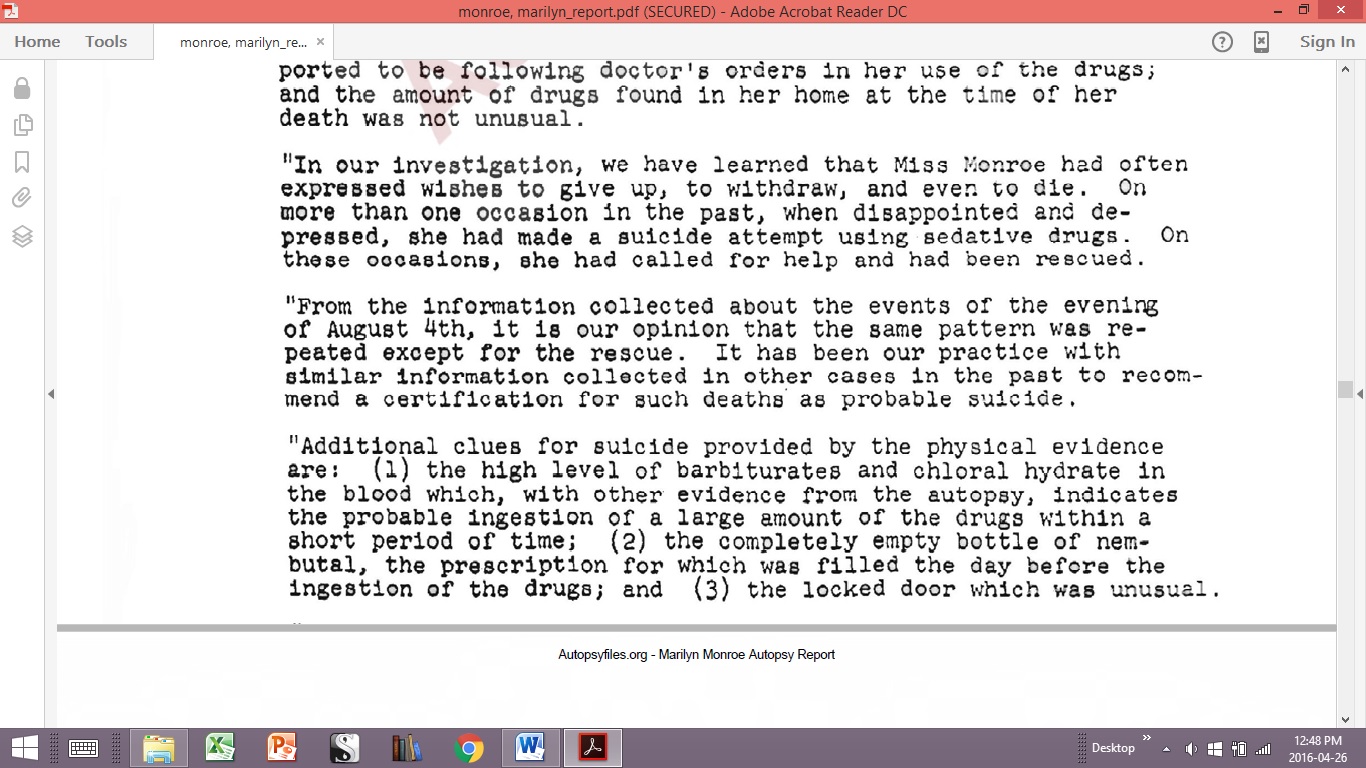
In our investigation, we have learned that Miss Monroe had often expressed wishes to give up, to withdraw, and even to die. On more than one occasion in the past, when disappointed and depressed, she made a suicide attempt using sedative drugs. On these occasions, she had called for help and had been rescued.
From the information collected about the events on the evening of August 4th, it is our opinion that the same pattern was repeated except for the rescue. It has been our practice with similar information collected in other cases in the past to recommend a certification for such deaths as a probable suicide.
Additional clues for suicide provided by the physical evidence are:
(1) the high level of barbiturates and chloral hydrate in the blood, which, with other evidence from the autopsy, indicate the probable ingestion of a large amount of drugs in a short period of time;
(2) the completely empty bottle of Nembutal, the prescription for which was filled the day before the ingestion of drugs; and
(3) the locked door which was unusual.’

MM7

Now that the final toxicological report and that of the psychiatric consultants have been received and considered, it is my conclusion that the death of Marilyn Monroe was caused by a self-administered overdose of sedative drugs and that the mode of death is probable suicide.

– Theodore J. Curphey, M.D. Chief Medical Examiner-Coroner for the County of Los Angeles, August 13, 1962.”

There’s that word “probable” again.

A24In my time as a police officer and coroner, I’ve attended many drug overdose deaths. Some were clearly suicides, backed-up by recorded threats and present notes. Some were accidents by misadventure, usually mixed with alcohol. And some were undetermined—not shown to have a definite intent by the decedent to take their own life.

I’d say some of the undetermined deaths were probably suicides—if I could say it. But a coroner doesn’t have the legal option to say “probably”. There’s a long-held  court ruling called the Beckon Test that states a death can only be classified as a suicide if it can be determined that the individual knew the consequences of their actions would end in death and intentionally carried them out. There is a high standard of proof required for a finding of suicide as the ruling states:

A25

“In most legal cases the test to be satisfied is a balance of probability. But a determination of suicide can only be made where there is clear and convincing evidence. There is to be a presumption against suicide at the outset and one must be certain beyond a high degree of probability that the death was a suicide. Where one cannot be absolutely certain, the death must be classified as undetermined.”

Based on my death investigation experience, there are three points about Marilyn Monroe’s suicide ruling that bother me.

First, in all the polypharmacy overdoses I’ve seen where suicide was obvious, the deceased downed the whole darned stash. They wanted to end it all and get it done.

A30In Monroe’s case, Dr. Engelberg prescribed her 50 caps of 500 mg Chloral Hydrate on July 31 as a refill for a previous Chloral Hydrate order on July 25. She was taking 10 per day. At her death scene, there were still 10 Chloral Hydrate caps left in her bedside vial. 40 were gone and, at a rate of 10 per day from July 31 till August 4, the pill count is right in order.

In the toxicology world, the effects of drugs are rated on a range scale of Therapeutic, Toxic, and Lethal. In the Lethal range, the substance is given a value called LD50 where it’s expected that 50 percent of the population would be expected to die from the drug’s effect at a certain point based upon the drug’s milligram blood content per the kilogram weight of the person.

MM17

Marilyn Monroe’s autopsy report recorded her weight at 117 pounds or 53.2 kilograms. The Chloral Hydrate level in her blood was determined to be 8.0 milligrams (percent) based on her weight or 80 parts per million (ppm). Looking at my toxicology scale from my coroner days, I see that Chloral Hydrate has a Therapeutic range to 30 ppm and an LD50 value at 100 ppm, so Monroe was 20% under the Chloral Hydrate lethal bar.

MM15

Looking at her barbiturate blood content from the Nembutal, it’s recorded to be 4.5 mg (percent) or 45 ppm. My chart says the barbiturate Pentobarbital, which is what’s in Nembutal, has a Therapeutic range to 12 ppm and an LD50 at 40 ppm. So Monroe was only 12.5 % over the average barbiturate lethal threshold, not taking into account that she was a very “tolerant” user.

However, the combination of Chloral Hydrate and Nembutal was deadly and this had to be known by Dr. Engelberg when he ordered Monroe’s prescription. This brings me to my second point.

A29A physician has a professional duty of care to their patient, especially when prescribing medication to a person with Monroe’s mental history. I find it irresponsible, actually negligent, that Dr. Engelberg failed to ensure Monroe no longer had Chloral Hydrate in her possession when he issued her a prescription for 25, 1500 mg caps of Nembutal four days later, knowing her supply of Chloral Hydrate wasn’t exhausted based on her prescribed consumption.

My third point deals with the “rescue” issue.

This very much applies to the Beckon Test. Intentional overdoses as attention-getting devices are common and always rely on the person’s backup plan that someone will intervene. This was part of Monroe’s previous overdose episodes as noted in the “psychological autopsy” report. And they referenced Monroe’s locked door as being unusual.

MM11

I think the locked door issue is completely negated by the fact that Monroe was found with her telephone receiver in hand. This was stated by Eunice Murray, Dr. Greenson, Dr. Engelberg, and corroborated by the investigating detective who verified they reported this to him and suggested she was phoning for rescue—which was her pattern—but was overcome.

If I were the coroner ruling on Marilyn Monroe’s death classification, I’d be legally bound to consider how the facts apply to the category parameters.

MM1A natural cause determination is completely eliminated by the autopsy and toxicology evidence. Monroe clearly died as the result of a drug overdose.

Despite kooky conspiracy theories that Bobby Kennedy snuck in and injected Marilyn Monroe to cover up her alleged affair with President Jack or that mobsters Jimmy Hoffa and Sam Giancana knocked her off to keep from ratting them out, no sensible person can make a case that Monroe was intentionally murdered. But a homicide ruling doesn’t just apply to murder. The definition of homicide is “the killing of a human being due to the act or omission of another”.

I believe Dr. Engelberg was professionally negligent in his duty of care to Marilyn Monroe. He had to know—certainly ought to have known—that he was treating an emotionally unstable patient with a history of suicide attempts through polypharmacy. By giving Monroe a potentially lethal amount of barbiturates and not ensuring her chloral hydrate was gone, Engelberg effectively signed her death warrant.

However negligent Engelberg may have been, though, my suspicion falls short of the burden necessary for establishing a homicide classification.

A3That Monroe accidently died from a self-administered overdose is a distinct probability but, again, the Coroners Act and court precedents won’t allow me the liberty to rely on probabilities regarding suicide. I have to come to a clear conclusion based on facts.

Setting aside the locked door and phone receiver in hand—these two negate each other—I must defer to one other glaring fact. There were still 10 caps of Chloral Hydrate left in her pill vial. Marilyn Monroe was a very experienced and tolerant prescription pill user. She knew exactly what she was taking, what their effects were, and she failed to down her whole darned stash which is always proof of a polypharmacy overdose suicide.

A4So deferring to the Beckon Test, I have to presume against Marilyn Monroe’s suicide classification from the outset and must be satisfied beyond a high degree of probability that her death was a suicide—I must be certain—and I can’t—because no clear evidence exists that Monroe’s death was an intentional act to end her own life. It may well have been an unfortunate, un-rescued accident (which I suspect), but I can’t support that classification through the facts.

Therefore, I find Marilyn Monroe’s death classification as Undetermined.