Tag Archives: Murder

MISTER BIG UNDERCOVER STING CONVICTS ANOTHER COLD CASE KILLER

The “Mister Big” undercover sting is an exceptionally effective cold case homicide investigation technique where police set up a fictitious organized crime group and entice a suspect to confess to an unsolved crime they’ve committed. Since developed and perfected in the 1990s by the Royal Canadian Mounted Police (RCMP), the fictional Mister Big ruse sent dozens of murderers to prison. That’s despite conventional police procedures failing to find admissible evidence… leaving the jaws of justice wide open to trick and do-in deviant criminals with this innovative and highly-incriminating trap.

This week, the RCMP convicted another cold case killer evading justice for 40 years. It was long overdue and fair game. The Mister Big undercover sting might be controversial to bleeding-heart civil rights activists and money-hungry defense lawyers, but the man playing the theatrical Mister Big in the undercover scheme brings immeasurable comfort and closure to the families of defenseless murder victims.
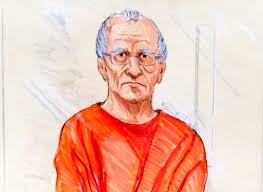
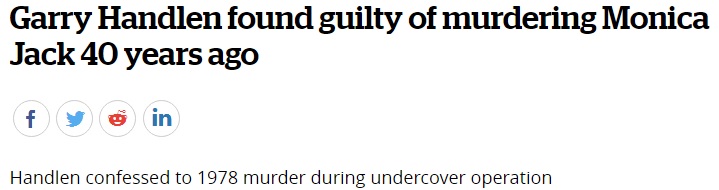
Garry Taylor Handlen is Mister Big’s latest justice-delayed example. A jury in Vancouver, British Columbia, Canada, just convicted this 71-year-old monster of kidnapping, raping and strangling 12-year-old Monica Jack in 1978. Canada doesn’t have the death penalty, but Garry Handlen will die in jail with a mandatory life sentence. Mister Big and his police investigative team made sure of it after Handlen confessed to murdering Monica Jack during an undercover operation.

Before going into what Mister Big’s undercover investigation procedure involves, Monica Jack deserves respect. This innocent young girl was riding her bike near Merritt, B.C., which is ranching country east of Vancouver. Handlen spotted her from his truck and camper. A serial sexual opportunist, Handlen stopped, wrestled Monica into his camper, kidnapped her and took her up a mountainside. Then he raped Monica, strangled her and dumped her lifeless body in the woods.
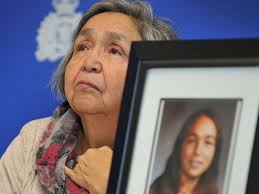
It was 17 years before Monica Jack’s skeletal remains were found and identified. However, Garry Handlen was on the police persons-of-interest list right away. A witness saw Handlen at a rest stop. They also saw Monica Jack being taken by a man—similar to Handlen’s description—to a distinctive truck and camper consistent with Handlen’s registered vehicle.

Garry Handlen was no stranger to police. He was a serial sexual offender—now a known serial killer— who was in and out of jail for serious sexual offenses. Handlen was on parole for rape when he accosted Monica Jack. He was also suspected in a string of violent offenses including sex murders.

Police at the time had a general description of Monica’s abductor and vehicle. But, they had no body and certainly no forensic evidence like today’s DNA technology or video surveillance. All they had was Handlen’s guilty mind and his intimate knowledge of what really happened when he murdered Monica Jack. That’s what eventually sunk Garry Handlen when he confessed to Mister Big during an elaborately choreographed undercover operation.
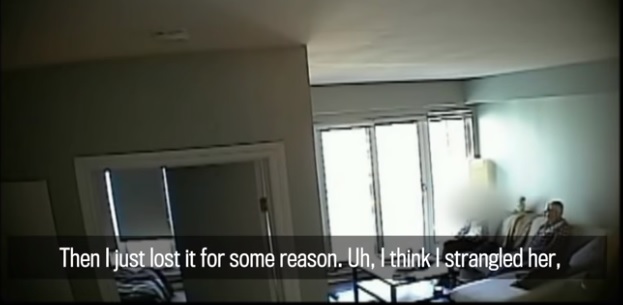
The Mister Big ruse sounds simple in principle. The police undercover team targets a viable suspect like Handlen to gain his confidence. This is a slow, methodical process where they make contact several times removed from the main undercover players. Steadily, they bring their target into the fold and make him reliant on a fictitious crime organization. To prove his worth, or be protected from prosecution, the target eventually confesses his crime to Mister Big—an all-powerful and superior crime boss who can make anything happen.
In reality, the Mister Big undercover operation is difficult and expensive. It takes months—sometimes years—of planning and putting into play layers upon layers of scenarios needed to get a target vulnerable to confessing. Sometimes, it never happens and the time spent of twenty to thirty undercover officers in supporting roles is wasted. That’s not including hundreds of thousands of dollars in public expense setting up the sting.

The RCMP has an impressive success record with the Mister Big sting. They won’t release exact figures, but inside sources indicate they’ve done over 200 Mister Big Sting operations. Some fizzled out because the target wouldn’t bite. Some even exonerated the suspect. But for criminals who’ve confessed to Mister Big, the police and prosecution have a 95 percent conviction rate. Garry Handlen’s going-down added to the success list.

So why have Canadian authorities used the Mister Big Sting so successfully to convict cold-case killers when other countries like the United States stay away from the ruse? It’s because of entrapment. As much as Canada is seen worldwide as this bleeding-heart bastion of civil liberties with a socialist soft-belly—Canada isn’t as much of a lawyer-run place like the States.
Maybe it’s because Canada is careful about following the U.S. lead in bad jurisprudence decisions and making those same mistakes. Canada learned that Miranda shouldn’t taint “the fruit of the poison tree” nor should DeLorean dictate rules of entrapment. Canada has this thing called the Charter of Rights and Freedoms which says that criminal evidence has a “Bringing the Administration of Justice into Disrepute” test. This is a two-headed coin where artificially dismissing truthful evidence under a Miranda application or Delorean entrapment procedure would not be in the public interest. In fact, not allowing truthful evidence gained through the Mister Big investigative approach would bring the administration of justice into disrepute, at least in the common person’s common-sense view.

Canadian courts look at each case on its own merit—within general admissibility guidelines. In Canada, there’s nothing wrong with police officers tricking viable suspects into incriminating themselves as long as the authorities don’t threaten them and make them do something they wouldn’t do within their own free will. In other words—let them talk, be themselves and naturally confess their crimes.

The main criteria for allowing confessions made in Mister Big stings into trial evidence is they’re corroborated in some way that proves the accused is truthful. That’s usually by the accused disclosing some piece of key-fact or hold-back information known only to the crime’s perpetrator and those closely involved in the investigation. This is the safeguard in preventing false confessions from convicting a wrongfully accused and innocent person.
RCMP Mister Big stings don’t just happen. They’re tightly controlled operations where highly skilled investigators collaborate with many support services. Mister Big undercover operations employ technical units like wiretapping, bugging and clandestine visual surveillance professionals. Stings use mobile eyes like airplanes and drones. They use prompts, staging, costumes and makeup worthy of Broadway theatre productions. And undercover operations depend on psychological services like the Behavioral Science Unit for profiling targets to find vulnerabilities. They also protect the physical and mental health of their operators.

Why don’t the United States and other first-world countries use the Canadian-led Mister Big technique? Actually, they do. Because the Mister Big investigation technique is legal in Canada—within limits—confessions gained on Canadian soil can be admissible in the U.S. and other courts. Other countries team with the RCMP to have undercover operations done inside Canadian territory.

The case of Atif Ratay and Sebastian Burns is a prime example of international investigation cooperation. Ratay and Burns brutally murdered Ratay’s family in Seattle, Washington, with baseball bats to collect insurance money. Then they fled across the border to their native Canada and eventually fell trapped in the RCMP’s Mister Big sting. After confessing, these two killers were extradited back to the United States where they sit doing life.

The RCMP exports its Mister Big sting expertise worldwide. Seasoned RCMP operatives and instructors from the Canadian Police College help many international police agencies develop versions of the Mister Big sting that work in their countries. It’s all about finding crime-fighting tools that identify the guilty—and, yes—sometimes exonerate the innocent.

*   *   *

On a personal note from DyingWords, I worked with the RCMP members who pioneered the Mister Big undercover investigative technique. Their names remain anonymous, although one’s now passed on and the other recently retired. These dedicated police officers thought outside the restricted confines that stop imaginative breakthroughs in police sciences. Truly, they were ahead of their time.
I joined the RCMP in 1978 and just graduated from the Academy when Garry Taylor Handlen abducted, raped and murdered Monica Jack. Over the years, I helped investigate still-unsolved murders that Handlen may have committed. And I worked with talented undercover operators on Mister Big stings where we had success when other investigative avenues failed.

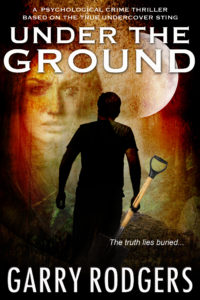
I’m not plugging a book sale here. My based-on-true-crime novel Under The Ground follows an actual Mister Big undercover sting where a cold-blooded killer might have got away with murder if Mister Big hadn’t intervened. Under The Ground is free for DyingWords followers.

If you’d like a digital copy of Under The Ground, just email me at garry.rodgers@shaw.ca and I’ll send you a Kobo/ePub, Kindle/mobi or PDF version.
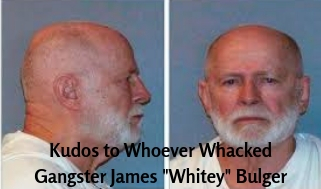
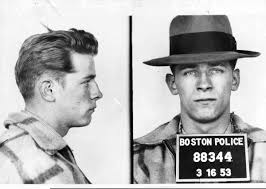
KUDOS TO WHOEVER WHACKED GANGSTER JAMES “WHITEY” BULGER

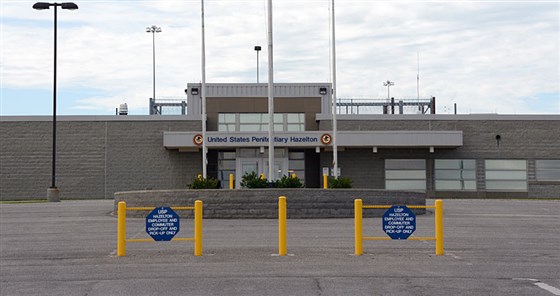
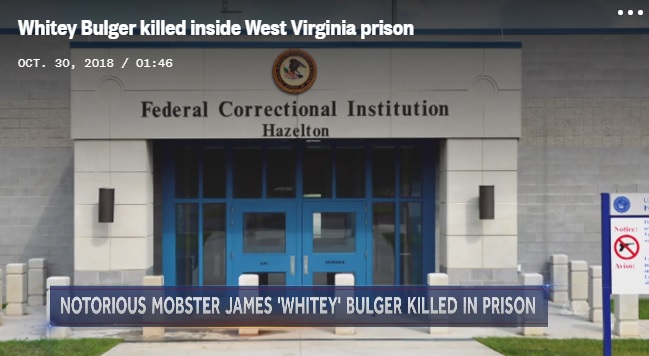
One of the world’s most infamous criminals is dead. 89-year-old James Joseph Bulger, aka Whitey—once head of the Boston Mob—was murdered inside Hazelton Federal Penitentiary in West Virginia on October 30, 2018. Authorities transferred Bulger from a Florida maximum security jail to the WV medium security facility less than 12 hours earlier. The wheelchair-bound, high-risk geriatric inmate got placed in general population. Credible prison sources say other prisoners quickly isolated and beat Bulger beyond recognition using the “lock-in-a-sock” technique, tearing his eyes from their sockets and cutting out his tongue. It was a signature end for the notorious American gangster.

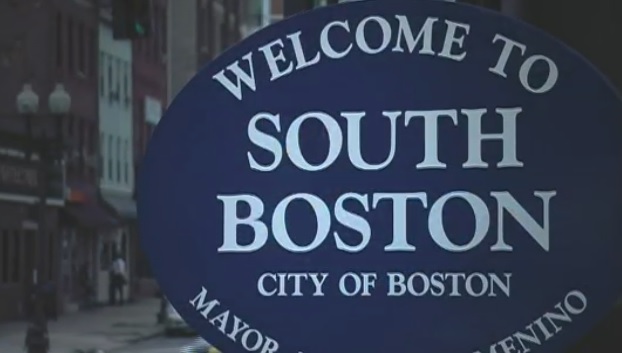
Whitey Bulger was more than a larger-than-life mobster—he was a devious, double-crossing sonofabitch convicted of eleven brutally cruel murders inflicted on organized criminal associates during the 70s and 80s when South Boston’s Irish Mob ruled town. Bulger also acted as a top FBI informant and turned into a Bureau embarrassment while he continued his criminal enterprise under federal government immunity. Just before indictment on racketeering charges, Bulger’s FBI handler tipped him off. That corrupt information about pending arrest gave Bulger years on the lam before he was taken down in 2011.

My opinion is Whitey Bulger deserved what he got, and kudos to whoever whacked him. It was long overdue. Bulger should have been executed years earlier had the State of Massachusetts retained the death penalty and nabbed him. However, his murder inside the joint raises the question of what protection a high-profile and vulnerable prison inmate like Whitey Bulger is entitled to.

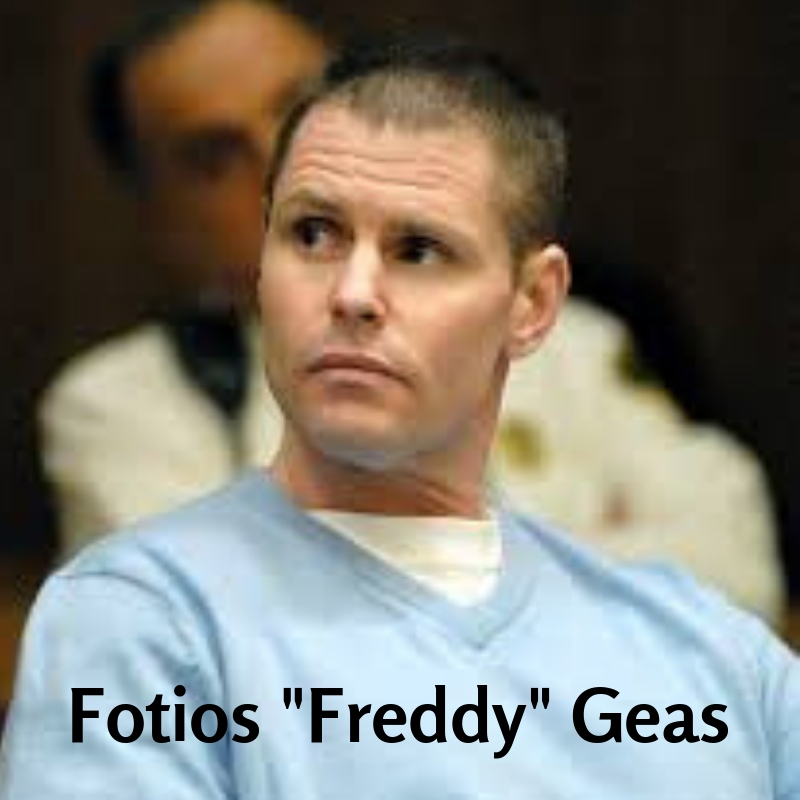
That Bulger died less than a day after arrival at Hazelton suggests powers within the U.S. Bureau of Prisons intentionally placed Bulger in peril. It’s likely no coincidence convicted Boston mafia hitman, Fotios “Freddy” Geas, was on the scene and in the cell when Bulger died. Currently, Freddy sits on ice. He’s in the hole pending an investigation.

Before examining who in the system is accountable for setting up an old con-man’s death, let’s look at Bulger’s past and what he did as a sociopathic killer.

James Bulger was born in 1929 at Everett in North Boston. His father was injured in an accident and unable to work, placing the family in poverty. From an early age, James Bulger bounced between relatives’ homes and whoever would put up with his delinquent behavior. Nicknamed “Whitey” for his platinum hair, Bulger preferred being called “Jimmy”. However, the name Whitey stuck and it stayed with him throughout his criminal career.

Whitey Bulger developed a nasty reputation as a cruel dude. At fourteen, he was a seasoned street fighter and enforcer for the South Boston Shamrock gang. Also at fourteen, Bulger went to jail for theft and burglary. He was placed in adult population and learned from some of the country’s most experienced cons.

Bulger was in and out of prison during the war years. He tried reforming in 1948 by joining the U. S. Air Force, but that didn’t work. Whitey Bulger was jailed in military prison for assaults and being absent without leave. To get rid of Bulger, the Air Force released him with an honorable discharge in 1952. He went back to the streets of South Boston.

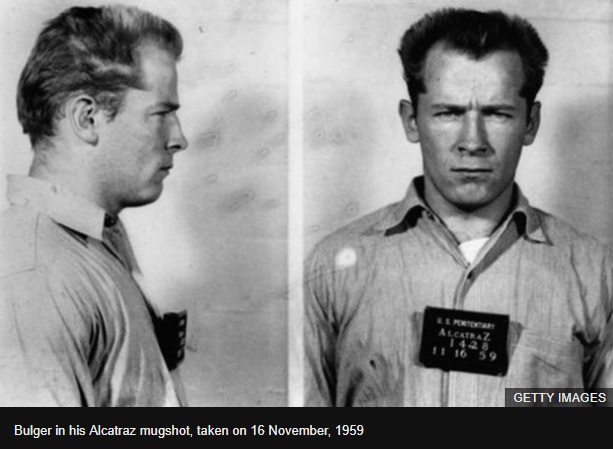
Whitey Bulger graduated to extortions, drug trafficking and armed robberies. By 1956, he was incarcerated for robbery in Atlanta but was transferred to Alcatraz prison at San Francisco. Bulger was too much for Alcatraz authorities to handle so they sent him to the super-maximum pen at Leavenworth. He made parole in 1965 and never saw another day in jail for 46 years.

Back in Boston, Whitey Bulger joined the Killeen gang who were established pimps and bookies as well as experienced loan sharks and bone bashers. During a gang war between the Killeens and their rival Mullen gang, Bulger committed his first known murder by shooting an unarmed man between the eyes, then biting off the end of his nose. Things heated up for the Killeens and Bulger, so he turn-coated to the powerful South Boston mob. Bulger joined the Winter Hill gang and went about setting up the Killeens to eliminate their leaders.

Whitey Bulger rapidly rose in South Boston’s underworld. He had a peculiar modus operandi, or MO, for a con. Bulger preyed only on other criminals, not the general public. It was a pattern that worked well for Bulger, as it was high-level criminals who controlled the money, and he used the lower lying cons to rat out their bosses.

Whitey Bulger manipulated other influential people, too. He was a paid informant for the Boston Police and given leeway to operate with impunity. Bulger worked both ends against the middle. By the mid-70s, Whitey Bulger was in complete control of the South Boston mob. Secretly, he was also the FBI’s snitch.

In 1971, the FBI recruited Whitey Bulger. Or, it was more like Bulger recruited the FBI. What Whitey Bulger wanted was the FBI’s help in eliminating the Italian Mafia while leaving him alone, and it worked. Soon Mafioso members were being rounded up and jailed. Other Bulger rivals were disappearing or turning up dead. Throughout the 1980’s, Whitey Bulger ran unopposed and committed or ordered at least nineteen known murders. His body count might be higher.

There was a problem, though. That was Bulger’s FBI handler, Special Agent John Connolly who’d been giving Bulger carte blanche permission to operate freely as long as Connolly got arrests. Connolly was eventually exposed by the Bureau as a crooked cop, but not before tipping Whitey Bulger off that a Racketeer Influenced and Corrupt Organizations Act (RICO) indictment was about to fall on Bulger’s head.

With FBI Agent Connolly’s help, Whitey Bulger went into hiding. This was in 1994. For the next seventeen years, Bulger was a wanted man, and for twelve of them, Bulger was on the FBI’s most wanted list at #2—right behind Osama bin Laden. A $2 million reward was offered for Bulger’s scalp and sightings came in all over the world.

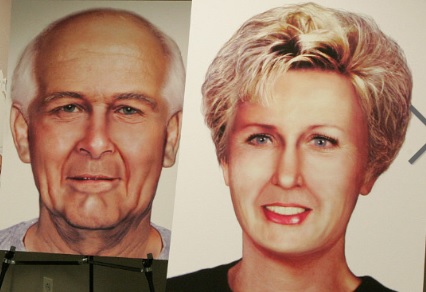
But the truth was, Whitey Bulger never left the States. He and his long-time girlfriend, Catherine Greig, holed-up in California where they rented a quiet apartment in Santa Monica. Finally, after the FBI did a media blitz with age-corrected sketches of Bulger and Greig, a neighbor recognized the pair and turned them in.

It was June 22, 2011, when the police captured Whitey Bulger. He was now 81. In Bulger’s apartment, they seized over $800,000 cash and a horde of firearms along with plenty of fake ID. Bulger and Greig were extradited back to Massachusetts where Grieg pleaded guilty to harboring a fugitive. She drew six years. Bulger went to trial.

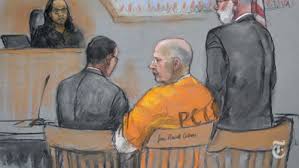
Whitey Bulger was charged with 48 felony counts—19 of them first-degree murders. The trial lasted three months and heard from a rogue’s gallery of convicted mafia members, mobsters and hitmen. It also heard from relatives of Bulger’s victims. The jury convicted Bulger on 11 murders, and he was sentenced to two consecutive life terms, plus an extra five years for good measure.

Evidence told of Bulger’s viciousness. He had many people severely tortured, especially those suspected of informing on him. Some of those maimed and then killed were women—girlfriends of Bulger’s subordinates in the gang world. Others were rival drug dealers and racketeers who posed business threats to Whitey Bulger. Further evidence showed Bulger being involved with arms trafficking to the Irish Republican Army terrorist group as well as firebombing Senator Ted Kennedy’s house.

Upon sentencing Whitey Bulger, Judge Denise Casper told him, “The scope, the callousness, the depravity of your crimes are almost unfathomable. Your crimes are more than heinous because they were all about money.” Bulger replied, “Money is the common denominator in crime. It will never stop.” Bulger also said he wanted an epitaph on his tombstone stating, “I’d rather be in Alcatraz.”

*   *   *

Whitey Bulger was also indicted for murders in Florida and Oklahoma, however, prosecutors there stayed charges due to his age and existing life sentences. Bulger first went to the Coleman II U.S. Penitentiary in Somerville, Florida where he was held in protective custody. Later, he moved to the Federal Transfer Center in Oklahoma City, also in protective custody, then back to Florida. All of Bulger’s federal pen time from 2014 till 2018 was in maximum security and tight protection—never given access to the general inmate population. Even though he was old, Whitey Bulger was a marked man and a high-value target inside the system.

Then, on October 29, 2018, Bulger was suddenly transferred from protective custody in a Florida max jail to open population at a medium place in West Virginia. He arrived at 9:53 pm and by 8:20 the next morning, Whitey Bulger was whacked in his cell. Conveniently, the cameras didn’t catch the actual death sentence, and somehow Freddy Geas and friends were lying in wait. This reeks of a system-orchestrated event.

When I say kudos to whoever whacked Whitey Bulger, you might think I’m condoning planned and premeditated murder. I’m not—not for ordinary, law-abiding and peaceful citizens that is. But, I’ve got no sympathy for the devil, and I think guys like Whitey Bulger, Freddy Geas and their kind deserve what they get in the end. Career criminals are not remotely like you and me. These animals have no regard for human rights and human life. It’s the law of the jungle in their world, and it’s fitting that Whitey Bulger finally got whacked.

But, what I’m having a hard time getting my head around is how bureaucrats and employees in the correctional system stuck their necks out like this. I’ve been around the system for decades and I know most system players are government appointees and employees. They value security, promotions, pensions and non-publicity. Yet, somebody—some people—within the United States Bureau of Prisons let Whitey Bulger’s murder happen.

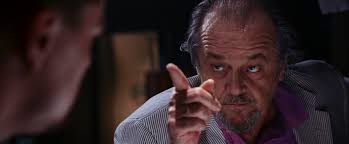
This case made the news. There’s a fascination with gangster and gang lifestyles in America and around the world. Whitey Bulger was a pop-figure and a cult idol. Just look at two high-profile movies like The Departed where Jack Nicholson won an Oscar portraying Bulger’s character. Then Johnny Depp hit the big screen as Bulger in Black Mass. Currently, there’s a lot on the news about Whitey Bulger.

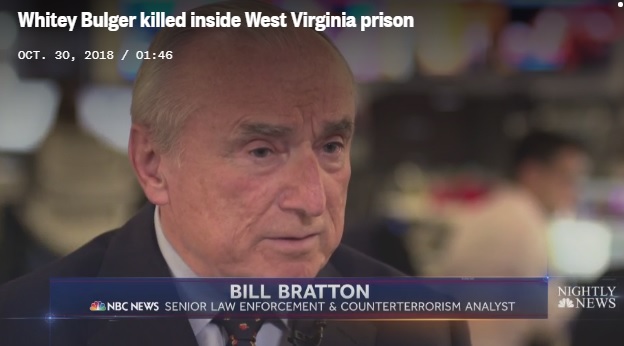
I found an interesting interview in the Washington Post with retired Boston PD Sergeant Bill Bratton. He knew Whitey Bulger and described him as, “The consummate gangster. The consummate manipulator. He was a brutal, feared, stone-cold killer.” Another cop, not wanting to be identified, simply said, “He was a bad, bad, bad guy.”

Although it’s interesting to hear comments about Bulger’s character, I was more curious about how people in the correctional system responded. I found an answer through NBC where Rick Heldreth agreed to a statement. Heldreth is president of AFGE Local 420 Prison Workers Union representing employees at Hazelton Penitentiary in West Virginia. Here’s how Rick Heldreth explained it.

“Hazelton is known as one of the most violent penitentiaries in the country. It’s very unusual that this particular inmate (Bulger) of this notoriety would be placed in general population given the level of violence and the type of inmates housed here. This decision was made far above us. Hazelton has a reputation of con-honor and placing a massive turncoat like him (Bulger) in general population and not in protective custody made him particularly vulnerable to attack. I know how he was labeled in the system, and it’s not something that went well with our inmate population.”

Rick Heldreth offered insight about how recent federal government cutbacks affected their staffing levels. Heldreth reported that Hazelton normally holds 120 high-profile, violent inmates. It’s one of the most dangerous environments in America’s prison system. In the past three months, there were two other inmate murders, both happening immediately after admission. Heldreth said inmates always know who’s coming in. “It’s really like in the movies.”

Heldreth stated it takes 880 staff to manage 120 inmates at Hazelton. That’s a 7.3:1 ratio. “Since the Trump-era hiring freeze, we’re down about one hundred staff and can’t replace them. We have prison plumbers and teachers filling in for guards.”

In my opinion, forces within the U.S. Bureau of Prisons purposely sent Whitey Bulger to his death at Hazelton Penitentiary. Bulger was far from a model prisoner. He was a problem—a psychopath and without any form of normal conscience. Shortly before being sent to Hazelton, Bulger’s file records that he masturbated in front of a female prison worker and—at 89—threatened to kill another prison official. They had enough of him.

We’re not in a perfect world. If we were, Whitey Bulgers wouldn’t exist. But they do, and now one of them got a just reward. I say kudos to whoever whacked Whitey Bulger. He was fair game after prison authorities threw fresh meat over the fence and into the jungle. But autonomous authorities shouldn’t authorize death sentences and capital punishment really has to follow a legal and due process.

RFK ASSASSINATION — THE SECOND GUNMAN EVIDENCE

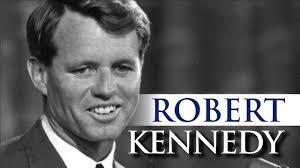
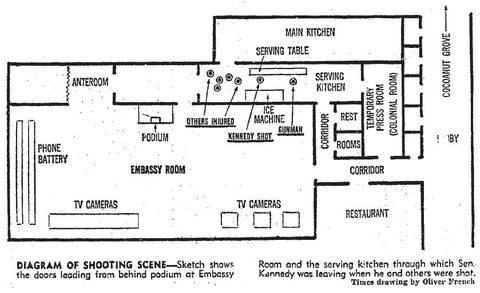
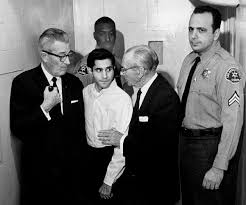
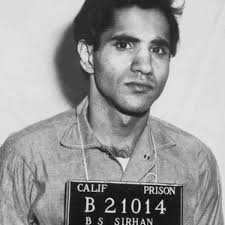
It’s been 50 years since United States Senator Robert Francis (Bobby) Kennedy’s murder in the kitchen of Los Angeles’ Ambassador Hotel. Bobby Kennedy just won the California Democratic nomination as their presidential candidate. Kennedy left the hotel ballroom after his acceptance speech and cut through the pantry where he suffered three bullet wounds, one of them fatal. Caught red-handed—holding a smoking gun—was Christian Palestinian immigrant Sirhan Bishara Sirhan, later convicted of RFK’s assassination.

Despite overwhelming evidence that Sirhan intentionally shot at Bobby Kennedy, there’re dark doubt shadows looming over the case. They indicate Sirhan didn’t act alone. Problems with witness statements, autopsy findings and ballistic testing suggest evidence that a second gunman conspired in RFK’s shooting. Mistakes and incompetence in the original police investigation also amplify suspicion of a second gunman accomplice.

A highly-credible medical team recently reviewed the original RFK medical and autopsy evidence. For the first time in history, independent professionals looked at the facts and circumstances surrounding Kennedy’s injuries and treatment. In June 2018, they published findings in a medical field’s leading gazette, the Journal of Neuroscience. This clear and concise report examines what happened from a medical perspective and whether there’s any pathological basis providing evidence that a second gunman helped shoot Bobby Kennedy to death.

RFK’s Deadly Road Towards the Presidency

In 1968, Bobby Kennedy seemed certain to win the Democratic Party’s nomination for United States President. Riding on his experience as his brother John F. Kennedy’s attorney general, sympathy over JFK’s assassination and the famous Kennedy name, RFK was well on his road to winning the American presidency. Lyndon Johnson declined a second term, and other Democratic candidates ran a distant second to RFK’s popularity.

Despite being admired, Bobby Kennedy had his enemies. As AG, RFK took on the mob and the communists as well as volatile groups like the Teamsters Union and the Ku Klux Klan. FBI Director J. Edgar Hoover hated the Kennedys, and the high profile name made Bobby a target for right-wing activists and lefty nut cases alike. Without a doubt, there were many sights gunning for Robert F. Kennedy.

Unlike today’s tight reins, there was little security for presidential primary candidates back in 1968. The Secret Service had no detail for political candidates, and they did little or no threat assessment or background checks on anyone thought dangerous to candidates. RFK’s security team consisted of a retired NFL linebacker, a former Olympic Medalist and a hired part-time security guard carrying a .38 Special. That’s all the protection Bobby Kennedy had when he arrived at the Ambassador Hotel in downtown LA.

Securing the California primary significantly strengthened RFK’s run for the White House. Democratic runner-up, Senator Eugene McCarthy of Minnesota, fell further behind as did former Vice President Hubert Humphrey. Republican presidential candidate Richard Nixon seemed certain to be Kennedy’s challenge for the Oval Office. Had Kennedy lived, Nixon might have lost, and Watergate would never have happened.

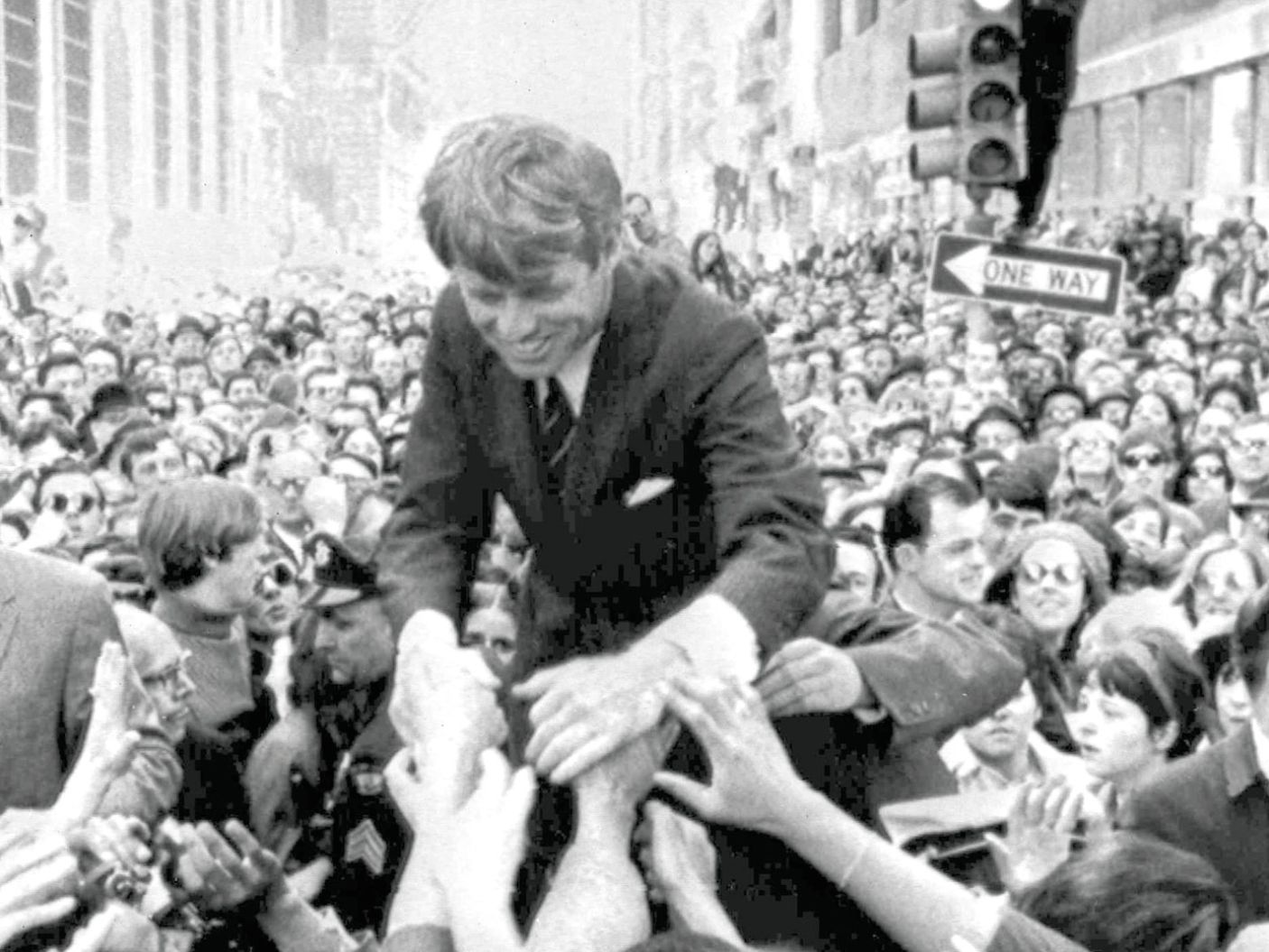
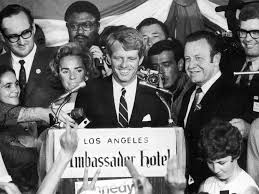
That’s not how history went down. On June 4, 1968 Bobby Kennedy won the California Democratic nomination and gave a rousing acceptance speech to a packed house of enthusiastic supporters. Just after midnight, at 12:15 am on June 5, Kennedy stepped from the podium and exited to the kitchen where a smaller crowd of hotel staff and assistants wished him well. RFK moved through the packed pantry, shaking hands and acknowledging folks.

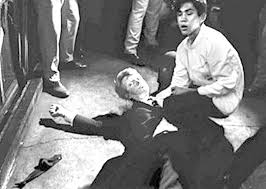
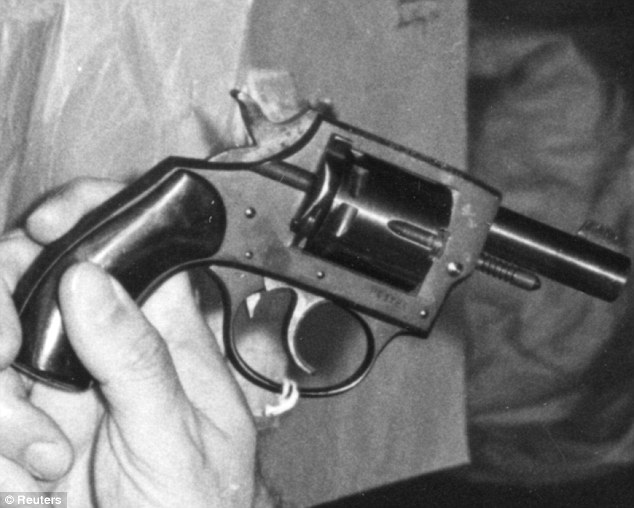
Sirhan laid in wait at the galley’s west end. As Kennedy approached, Sirhan whipped out a .22 caliber, 8-shot Iver Johnson Cadet revolver and emptied it towards RFK. Bullets struck Kennedy three times and collaterally wounded five bystanders. Bobby Kennedy fell to the floor, semi-conscious but mortally wounded with a gunshot wound to the brain. Kitchen staff jumped Sirhan. They wrested the now-empty gun from his hand.

RFK lay motionless for 17 minutes before first responders arrived. A dispatch communication mistakenly sent Kennedy to the nearby Central Receiving Hospital instead of the larger Good Samaritan Hospital which was far better equipped to handle cranial gunshot wounds. Assessing Kennedy’s grave condition, Central’s staff transferred him directly to Samaritan. The delay took nearly an hour post-shooting, however, the 2018 medical review determined it made no difference to RFK’s fate. Despite heroic surgery attempts, his brain wound was untreatable.

Robert Francis Kennedy died at 1:44 am on June 6, 1968. The nation mourned another Kennedy assassination. RFK’s road to the presidency ended in violence, and his dream of furthering civil rights and middle-class prosperity died with him. Sirhan stood trial as the lone gunman. He was convicted, sentenced to death, but later commuted to life in prison. Today, Bobby Kennedy rests under the grounds of Arlington and Sirhan sits behind bars in San Diego.

The RFK Conspiracy Theories Start

Like most high-profile deaths, there are those refusing to buy official conclusions despite how solid evidence seems. John Kennedy’s assassination is the mother of all conspiracy theories, but little brother Bobby’s fate is no exclusion. In fact, there are three deeply disturbing discrepancies in the RFK murder worth investigating.

The big problems with the RFK assassination lie in the true number of shots fired as well as the position and distance of Sirhan relative to Kennedy in the kitchen. Officially, Sirhan fired all 8 shots in his revolver from the front and approximately 2 to 3 feet ahead of RFK. Unofficially, more than 8 shots went off with some bullets allegedly fired from behind Robert Kennedy. That suggests a second gunman.

Further, the eye-witness evidence appears clear that Sirhan maintained some distance, firing from the front on a level and downward angle. The medical and autopsy evidence seems clear that RFK’s fatal brain wound came from a near point-blank gunshot occurring behind his right ear and from an upward angle. Again, that suggests a second gunman.

On the surface, this conflicting evidence is more than troubling. There was also trouble during Sirhan’s trail with inaccurate testimony and confusion by police forensic experts over identifying the RFK murder weapon. There were so many errant issues raised that the United States government appointed a 1975 commission to reinvestigate the RFK assassination. It was supported by the FBI who took no role in the original murder case as the Los Angeles Police Department maintained primary jurisdiction.

The RFK reinvestigation struggled with inconsistent witness statements, confusing forensic evidence and now-missing pieces to the puzzle. Despite perceived problems with proof and procedure, the commission ruled Sirhan Bishara Sirhan acted alone. They found no credible evidence of a second gunman. That was despite being unable to explain a few troubling issues.

Many people don’t accept Sirhan’s original trial verdict or the commission conclusions. This takes in members of the Kennedy family like Robert F. Kennedy, Junior. As well, some of the victims wounded in the Ambassador Hotel shooting and various eyewitnesses present at the time are convinced of a second gunman. Like other conspiracy theorists, they point to the perceptual problems associated with the number of shots and the location of RFK’s fatal wound.

No sensible spectator or serious student of the RFK assassination suggests Sirhan didn’t fire 8 shots. That evidence is overwhelming. But, there’s a lot of information published pointing to more than eight bullet strikes in the Ambassador kitchen. How credible that information is—is the question.

The other major issue—according to conspiracy promoters—is the head wound. By all official accounts, Sirhan never got within a few feet of RFK and remained facing him from the front. The medical and autopsy evidence clearly shows stippling from gunpowder residue burns on Kennedy’s skin and hair at the bullet entrance wound. That evidence seems consistent with the fatal firearm being discharged within inches of RFK’s head, not several feet.

The 2018 independent review published in the Journal of Neurosurgery examined RFK’s hospital treatment and autopsy evidence. They didn’t deal with the “more-than-8-shots” issue. The expert panel left that for the conspiracy theorists and those wanting to research RFK crime scene examination evidence.

The 2018 Journal of Neurosurgery (JNS) Review

Three prominent neurosurgeons and trauma practitioners privately reviewed RFK’s medical records and autopsy report. This was independent of any government agency or special interest group. First, they outlined the history of Robert Kennedy’s campaign and the circumstances bringing him in contact with Sirhan.

Next, the review panel outlined RFK’s emergency treatment and follow-up surgery as well as post-op care. Then, the panel focused on the so-called “perfect autopsy” performed by the famous Los Angeles coroner and forensic pathologist, Dr. Thomas Noguchi. Finally, the experts reassessed Kennedy’s medical care to see if anything more could have been done to save RFK’s life.

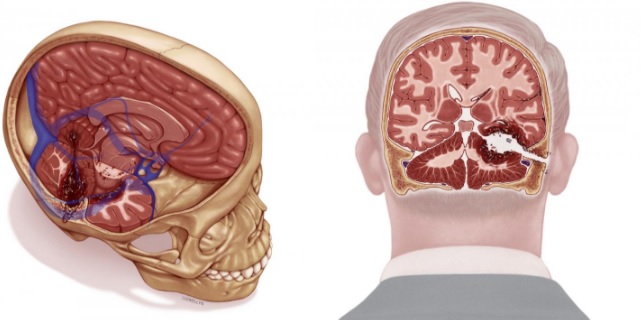
Robert F. Kennedy suffered 3 separate .22 caliber gunshot wounds. Two were superficial and non-life-threatening. The third was ultimately fatal. One entered the right side of his back. This bullet was recovered intact inside RFK’s body. The second non-lethal bullet entered his right armpit and exited his shoulder. It was not recovered. The fatal bullet entered RFK’s skull behind his right ear. It fragmented, sending lead shrapnel and bone chips deep into RFK’s brain, remaining in the gray matter.

The JNS report outlines the brain injury and medical treatment in impressive detail. The doctor panel concludes so much cranial damage occurred that it was a miracle RFK lived as long as he did. They credit the 1968 medical intervention as first-rate. They report even with today’s medical advancements, if RFK was shot this way in 2018, no modern trauma team would be able to save him.

The JNS panel confirmed Dr. Noguchi’s autopsy findings of close-contact gunshot residue (GSR) stippling identified at RFK’s headshot entrance wound. They correctly observed in the autopsy report Noguchi made no reference to the distance the firearm’s muzzle was from RFK’s skin at discharge. Rather, they reported “a discrepancy between eyewitness reports that Sirhan came no closer than 12 to 18 inches from Kennedy when the shooting occurred and Noguchi’s later writings, stating the gun was no more than 3 inches of the right ear when fired”.

The JNS team also referenced a public Noguchi quote where he made clear his autopsy report didn’t imply Sirhan was the lone shooter. That early quote forever fueled conspiracy fires and formed the foundation for those purporting the second gunman claim. On the record, Noguchi always maintained whoever fired the fatal gunshot into Bobby Kennedy was slightly behind him and in very close quarters.

The More-Than-8-Shots Issue

The JNS doctors steered clear of this positioning can of worms. Rightfully so. This wasn’t their field of expertise. That evidence belongs in the police and forensic investigation wheelhouse. Arm-chair detectives with a half-century of hindsight picked the position puzzle apart from every angle. So they’ve done with the number of shots.

Essentially, the Los Angeles police investigators accounted for eight crime scene bullets. They also tested Sirhan’s .22 caliber, 8-shot revolver and ballistically linked the recovered bullets to Sirhan’s gun—except for the fatal bullet from RFK’s brain. It was too fragmented to identify microscopic striations unique to Sirhan’s firearm.

Most of the “evidence” for the more-than-8-shot theory came from news media reports focused on a photo apparently displaying two bullet holes in a door frame in the Ambassador kitchen. Conspiracy theorists used the logic that if eight bullets were already accounted for, then two extra holes formed positive proof of a second gunman. After all, Sirhan’s revolver contained 8 empty shell casings. He did not have time to reload.

Conspiracy theorists also rely on varying eye and ear witnesses to support their more-than-8-shot suspicions. Many in the kitchen reported hearing 10, 12 and as many as 15 shots blasting off. The RFK case even took a scientific sound step where a media recording allegedly taken during the assassination captured the shots on audio. Various forensic experts extensively analyzed the audio but can’t conclusively agree there were more than 8 shots fired.

There’s a rabbit hole of hints, innuendo and suggestions of extra shots out there in the RFK assassination world. But, there’s one true fact not resolved by the official investigation. That’s that the fatal fragments from RFK’s brain have not been forensically linked to Sirhan’s revolver. It leaves the suspicion door open that it’s physically possible for a second gunman being involved.

Nowhere in the documented RFK assassination evidence is there any reference to forensic authorities trying other tests on the brain bullet fragments than examining for microscopic striations. Bullet lead composition analysis (BLCA) and neutron activation analysis (NAA) techniques were available in 1968. In fact, the John F. Kennedy assassination investigators employed both scientific processes. BCLA and NAA became a ballistic cornerstone establishing Lee Harvey Oswald as JFK’s lone assassin.

Every experienced forensic investigator realizes that BLCA and NAA analysis are indicative or exclusive tests rather than conclusive evidence like tool markings left by firearm rifling engravings. That means running BLCA and NAA tests on RFK’s brain fragments and comparing them to groups analyzed from the known Sirhan bullets would either eliminate or associate them as originating from the same ammunition source.

Unfortunately, there’s no record of anyone conducting these two important forensic examinations. Assuming the RFK bullet exhibits are still available, there’s no reason they couldn’t be done today. That could establish or further rule out the second gunman theory. But, there’s no apparent appetite for any official review, regardless of requests from Kennedy family members to reopen the case.

Sirhan Bishara Sirhan’s Background and Motive

Every homicide investigation team looks at their suspect’s motive and associates. It’s always necessary to establish or rule out accessories to the crime. The RFK murder is no different for investigating who Sirhan was, why he did it and if he had help.

Sirhan originated in the Middle East’s Palestinian region. He was a Christian, not a Muslim as many believe. Sirhan immigrated to America in 1956 when he was 12. His family settled in Pasadena, California where he matured. Little in Sirhan’s history shows him as a potential political assassin.

Investigation after RFK’s murder found Sirhan’s diary which was full of apparently psychotic references repeating “Bobby Kennedy Must Die”. It seems Sirhan, in some twisted way, fixated on killing RFK and sought an opportunity. That presented at the 1968 Democratic convention when Sirhan simply walked into the Ambassador kitchen through an unlocked door, hung around and then opened fire.

Nothing in Sirhan’s background found him politically linked or motivated by terrorist agenda. He seemed an immigrant Arabic lone wolf version of the All-American psychopath. Like Oswald, Sirhan gained fame by shooting someone famous.

Sirhan was a rubber ball of confessions, recantations and failed recollections. Initially, Sirhan told police investigators he shot RFK because of Kennedy’s policy of arming Israelis with Phantom fighter jets to bomb Palestinian people. At trial, Sirhan denied this motive but admitted being the shooter. Later, he totally recanted his testimony. Over the decades, Sirhan molded himself into a self-serving position of failed memory due to some form of external hypnosis influence during RFK’s shooting.

One thing’s consistent about Sirhan’s statements. Although his motive remains questionable, he never outwardly accused anyone of being his accomplice. Sirhan never said there was a second gunman—at least to his knowledge. He leaves it to conspiracy theorists and authorities to explain inconsistencies like the number of shots fired, the gunshot residue, the distance from the muzzle to RFK’s skin and the relative positions while Bobby Kennedy was shot.

Reconciling the RFK Assassination Discrepancies

And, every murder investigation has evidentiary discrepancies being tough to reconcile. There’s no reason RFK’s assassination should be the exception. Experienced homicide investigators understand a value found in Occam ’s Razor. That’s the age-old problem-solving principle—when presented with competing hypothetical answers to a problem—one selects the answer making the fewest assumptions. Usually, the simplest answer to reconciling a discrepancy is the best and proper answer.

The JNS review panel dealt with Sirhan’s position relative to Bobby Kennedy’s gunshot entrance wounds with a simple observation. While eyewitnesses varied about distances between the shooter and victim, they agreed on body positions. Yes, Sirhan was to the west and ahead of RFK, but Kennedy was turned to his left, exposing his right side to Sirhan. The right side and behind the ear hits were a matter of predetermined physical geometry. So was the apparent upward angle of the fatal brain shot. Kennedy was aside of Sirhan and bent over talking to a busboy.

The JNS reviewers were cautious about distance reports. They note Noguchi made no distance reference in his postmortem exam report. He only verified gunshot residue presence on RFK’s skin and hair. It’s later media recorded comments from Noguchi that committed his estimating an RFK muzzle distance of 3 or less inches.

Again, Occam’s Razor applies to assess Noguchi’s statements. Although Dr. Noguchi was an experienced pathologist, he wasn’t necessarily an expert in GSR distances and patterns. Noguchi’s credibility has to be questioned in this case. He had a reputation as being an egotist thriving on his fame as the “coroner to the stars”.

Thomas Noguchi performed autopsies on celebrities like Marilyn Monroe, Natalie Wood, John Belushi and Sharon Tate. Some suggest Noguchi loved the limelight and extended his realm of expertise with unqualified opinions. Interpreting gunshot residue patterns may be beyond Noguchi’s talent. He might simply be wrong about estimating GSR discharge distance in RFK’s case.

Plenty of forensic science literature in murder investigations show GSR patterns present from muzzle distances of 1 or more feet. There’s no reason GSR from a short-barreled .22 Iver Johnson revolver couldn’t have produced stippled powder burns on RFK’s skin and hair from several feet away. Note the only link with the RFK-GSR second gunman theory comes from Noguchi’s belated media opinion. There’s no other source qualifying maximum muzzle measurement.

With gunshot angles and distance discrepancies reasonably rectified, the only remaining trouble area is the number of shots fired. Again, all RFK crime scene investigation evidence accounts for 8 fired bullets. There’s no credible case for more than 8 shots in RFK’s murder. There’s only speculation based on unsupported information.

Applying Occam ’s Razor to conspiracy theories in Robert F. Kennedy case concludes Sirhan Sirhan fired all shots. He acted alone without an accomplice. There’s no credible evidence otherwise, and that’s because non-events leave no evidence. It never happened any other way.

There was no second gunman in the RFK assassination.